





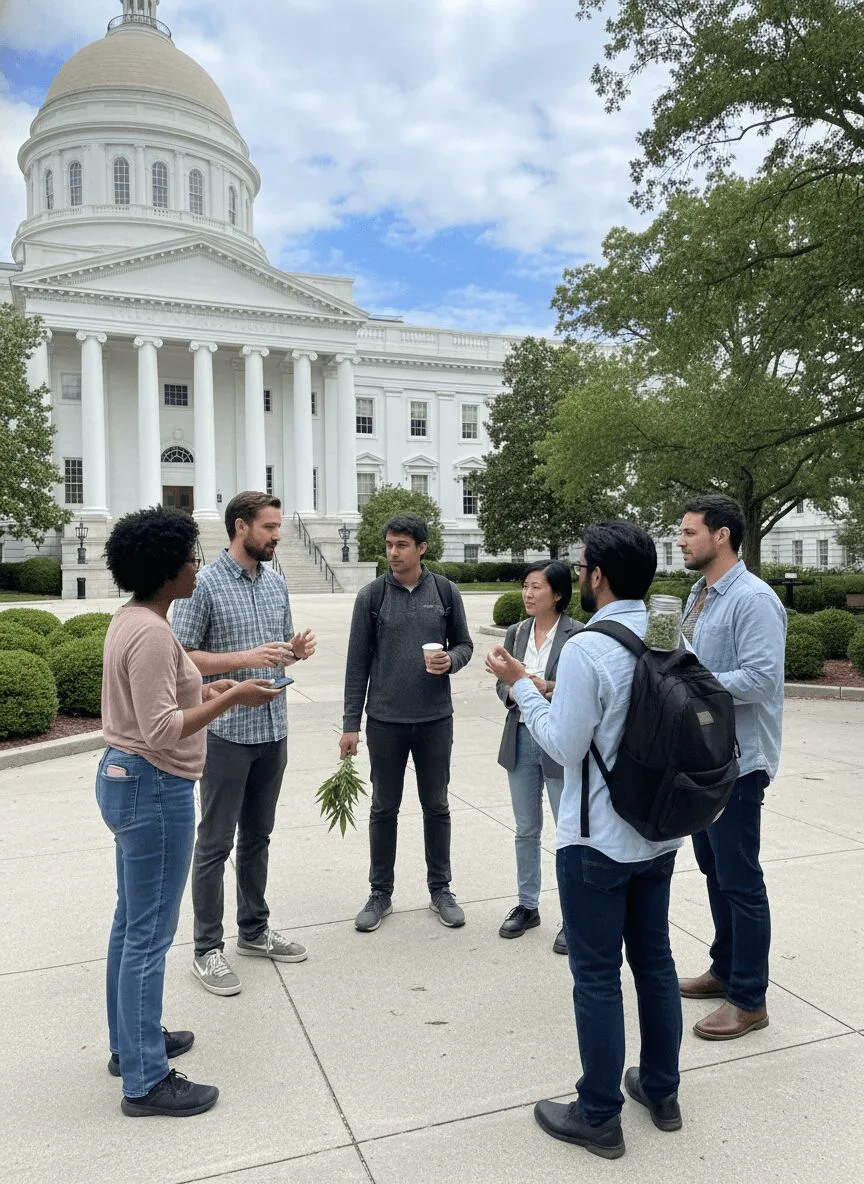
Virginia marijuana legislation changes: What Spanberger’s amendments mean
If you’ve been keeping tabs on the Virginia marijuana scene, you know things are shifting fast. Virginia marijuana legislation changes are back in the headlines, and these updates are stirring up fresh conversations throughout the community. Lawmakers are debating amendments that could reshape how cannabis is grown, sold, and consumed across the state. Whether you’re a medical patient, adult-use enthusiast, or just someone who supports smart regulation, now is the time to pay attention. Let’s break down why these recent Virginia marijuana legislation changes matter and what they might mean for both everyday citizens and industry players.
The Evolving Landscape: Background & Context on Virginia Marijuana Legislation Changes
Virginia’s relationship with cannabis has transformed dramatically over the past few years. Back in 2021, the state made history by becoming the first in the South to legalize recreational marijuana for adults over 21. Yet, the road to a fully functioning legal market has been anything but straightforward. While simple possession and home cultivation are legal (Virginia.gov), lawmakers have wrestled with the details, especially regarding commercial sales and product safety. Regulatory questions, such as who gets a license, how taxes are allocated, and what constitutes real social equity, have been central to the debate. Across the U.S., evolving laws about marijuana have spurred similar legislative debates in other states; for example, changes in Tennessee cannabis laws show both the regional complexity and shifting attitudes nationwide. Public support remains strong, with Pew Research Center reporting nearly 88% of Americans believe in some form of legalization. These national trends influence Virginia policy makers, who face pressure to modernize state regulations while protecting public health and industry interests. So when Virginia marijuana legislation changes hit the docket, the ripples are felt both on Main Street and Capitol Hill.
What’s New: Key Developments & Issues in Virginia Marijuana Legislation Changes
The latest shakeup centers on Representative Abigail Spanberger’s proposed amendments, which target a handful of hot-button issues within Virginia marijuana legislation changes. According to recent reports by WTVR News, Spanberger aims to address loopholes left by prior legislation, with a particular focus on consumer safety and equitable market access. The amendments propose more precise regulation of THC concentration in products, provide clearer definitions around legal possession limits, and call for robust tracking of cannabis from ‘seed to sale.’ On April 15, 2026, these new measures may be put into place, further impacting both retail store operators and growers. Market operators in states like Rhode Island are watching similar developments closely, as recent appeals in Rhode Island’s cannabis license lottery illustrate how regulatory changes influence fair access and industry dynamics. Lawmakers want to ensure that Virginia’s industry remains resilient to illicit market pressure, while also supporting budding, small businesses. Notably, Spanberger’s amendments bear implications for both retail store operators and licensed growers, tightening compliance requirements while outlining fairer pathways for those entering the market. According to Marijuana Moment, these proposals are in line with broader national efforts to streamline cannabis regulation and protect consumer safety.
Expert Analysis & Insights: Interpreting Virginia Marijuana Legislation Changes
Let’s call this how it is, every tweak to Virginia marijuana legislation changes the rules of the game for everyone. On one hand, tighter oversight is a win for transparency and public confidence. As Leafly notes, consumers want assurance that what’s in the jar is exactly what’s on the label. The emergence of more robust regulation can help legal markets thrive and potentially prevent unfortunate consequences seen in other states, such as in Indiana, where an improperly handled legal marijuana case resulted in felony charges and has raised concerns over public safety and policy consistency. Research from NORML points out that robust regulation can also help squash the illicit market by making the legal route more accessible, safe, and reliable. Industry pro and legalization advocate Jessica Billingsley, CEO of Akerna, put it simply, “When regulation is reasonable and markets are fair, everyone wins: patients, growers, retailers, and communities.” Those keeping it real know that addressing equity and access gaps is no longer a side debate—it’s central to how legalization is judged. Issues like THC limits and product traceability can seem technical, but to patients and consumers, it’s about safety and trust. Virginia marijuana legislation changes will only work if lawmakers listen to grassroots advocates, dispensary owners, and those impacted by outdated prohibition policies.
Future Outlook & Conclusion: Riding the Wave of Virginia Marijuana Legislation Changes
So, what’s next for Virginia’s cannabis community? The trajectory is clear: Virginia marijuana legislation changes are forging a legal market that’s safer, fairer, and poised for growth. Policymakers are learning to balance consumer safety with real-world business realities, informed by lessons from other states and feedback from advocates. According to Cannabis Business Times, states with clear and equitable regulations foster rapid market maturity, job growth, and wider social acceptance. No matter what side of the cannabis debate you’re on, it’s obvious momentum isn’t slowing. Expect more debate and, ultimately, common sense victories for patients, entrepreneurs, and Virginian communities as new legislation rolls out. Together, we’re shaping a future where cannabis policy is finally catching up to the culture—and Virginia is leading the way.
Originally reported by: wtvr.com
2 Comments
Pingback: FDA hemp CBD enforcement: What It Means for the Industry
Pingback: Marijuana Harm Adolescent Brain: Why Teens Must Stay Marijuana-Free