





Kansas City marijuana killing: Prison Sentences Shock Community
The Kansas City marijuana killing isn’t just headline fodder — it spotlights high-stakes questions for cannabis advocates, legal experts, and the broader public. As public attitudes toward cannabis shift and decriminalization gains ground nationwide, stories like this show us the real-life consequences when stigma and unclear laws collide. Today, the Kansas City marijuana killing is forcing stubborn old debates back into the spotlight, raising tough questions about justice, policy, and how far we’ve really come.
Legal Landscape and Persistent Stigma in Missouri
Before we dive deeper, let’s get honest about the landscape. Missouri may have loosened up, with medical cannabis now legal, and full recreational sales kicking off in 2023 (Missouri Department of Health & Senior Services). But Kansas City sits at the intersection of evolving law and entrenched attitudes. For example, while advertising cannabis is causing debates and legal confusion in states like New York where billboard bans are reshaping public messaging around marijuana, as recently as 2022 in Missouri, high-profile raids and legal challenges reminded everyone that the legal gray area can leave good people vulnerable. Not everyone is on the same page, as local norms and law enforcement priorities sometimes lag behind progressive legislation. And while the cannabis industry is booming, sporadic violence and prosecution can set reform back years, even when weed is technically legal.
Key Facts: The Kansas City Marijuana Killing and Its Fallout
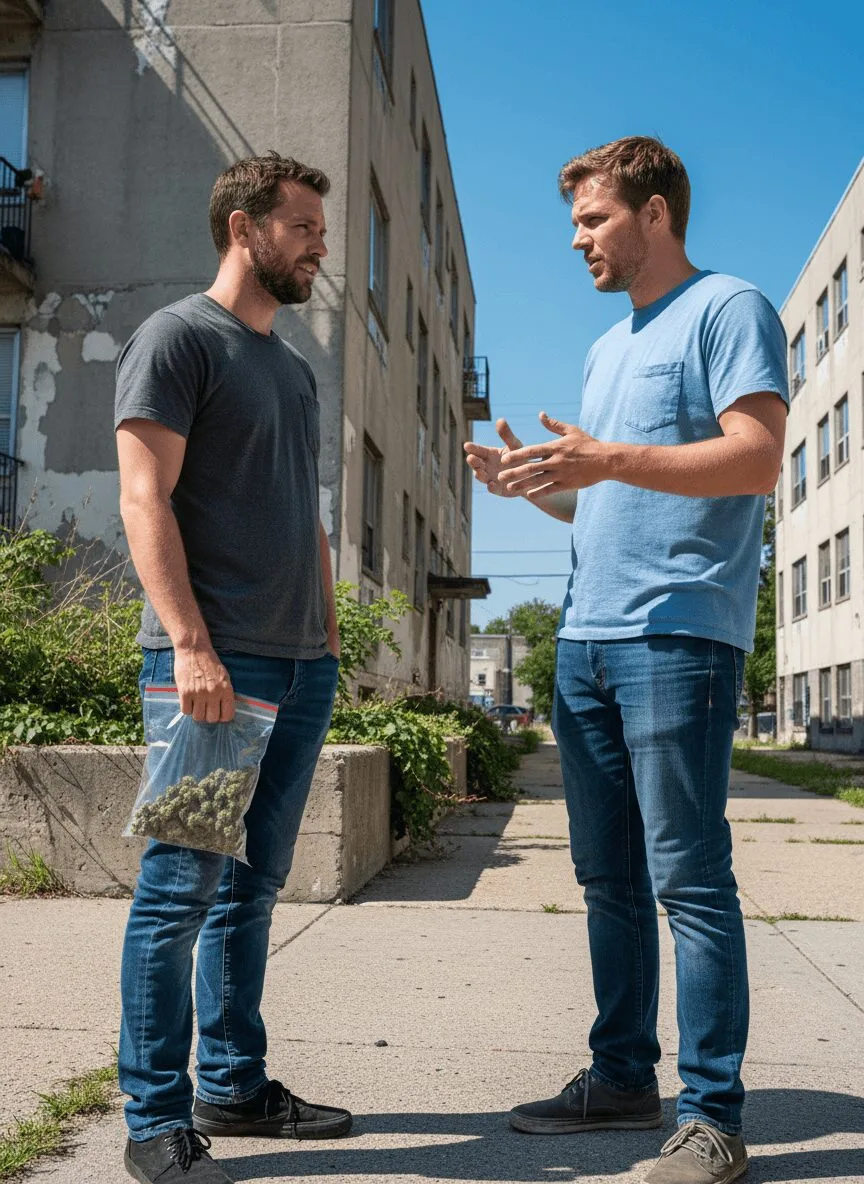
Let’s break it down: According to detailed reporting from Hays Post, the Kansas City marijuana killing unfolded after a routine transaction turned deadly on a city street. On March 12, 2024, two local men, reportedly well-known in their neighborhood, met up outside a nondescript apartment building. What was supposed to be a low-key cannabis handoff escalated with sudden violence, leaving one man dead and the other apprehended within hours. This tragic event echoes how unpredictable consequences can emerge when regulations shift abruptly, such as job losses and market chaos experienced in Ohio following sudden THC bans which triggered unexpected community fallout. Authorities quickly connected the motive to a marijuana dispute, even as Missouri’s legal market thrives by the numbers (MJBizDaily). The real shock? Prosecutors handed down lengthy prison sentences, stirring outrage among community advocates and civil rights groups who argue that punishment didn’t fit the context. Local reporting and legal filings highlight how the trial raised broader questions, such as how can aging drug laws coexist with legal weed, especially when lives are literally on the line?
Industry Expert Analysis: Lessons, Missteps, and Room to Grow
Here’s the rub: Incidents like the Kansas City marijuana killing can warp public perception, despite mountains of evidence showing most cannabis transactions are peaceful and responsible. As NORML points out, “States that have legalized adult-use cannabis generally see fewer violent crimes linked to the black market” (NORML, 2023). The tragedy here didn’t arise from cannabis itself, but from lingering gaps between outdated law enforcement approaches and a rapidly modernizing industry. Tensions spike when participants in still-marginalized industries lack stable legal footing, safe spaces, or even the presumption of innocence. In other regions like Nebraska, major discussions about medical cannabis regulations are also questioning the real-world impact on community health and legal rights sparking heated debate over new freedoms and protections. As industry veteran and commentator Steve DeAngelo put it (DeAngelo.com): “Punishing people harshly for cannabis in a world where Wall Street is trading pot stocks isn’t just unjust, it’s shortsighted. We should be building bridges, not filling prisons.”
The Road Ahead: Community Healing and a Fairer Cannabis Future
The Kansas City marijuana killing serves as a harsh wakeup call: legal reforms are only half the battle. Real progress means closing dangerous loopholes, investing in public education, and ensuring equity in both justice and opportunity. But don’t let this story define the era—we’re seeing record-breaking cannabis sales and unprecedented mainstream acceptance all over Missouri and the Midwest. As Leafly reports, more Missourians are trading the illicit market for regulated dispensaries every month. With continued advocacy, transparency, and investment in restorative justice, the cannabis industry can move past tragedies like the Kansas City marijuana killing—and help build a safer, smarter, and much more inclusive future for all.
Originally reported by: hayspost.com


1 Comment
Pingback: Twiggs County marijuana bust: 114lbs seized on I-16