

Alabama medical cannabis dispensaries: What you need to know
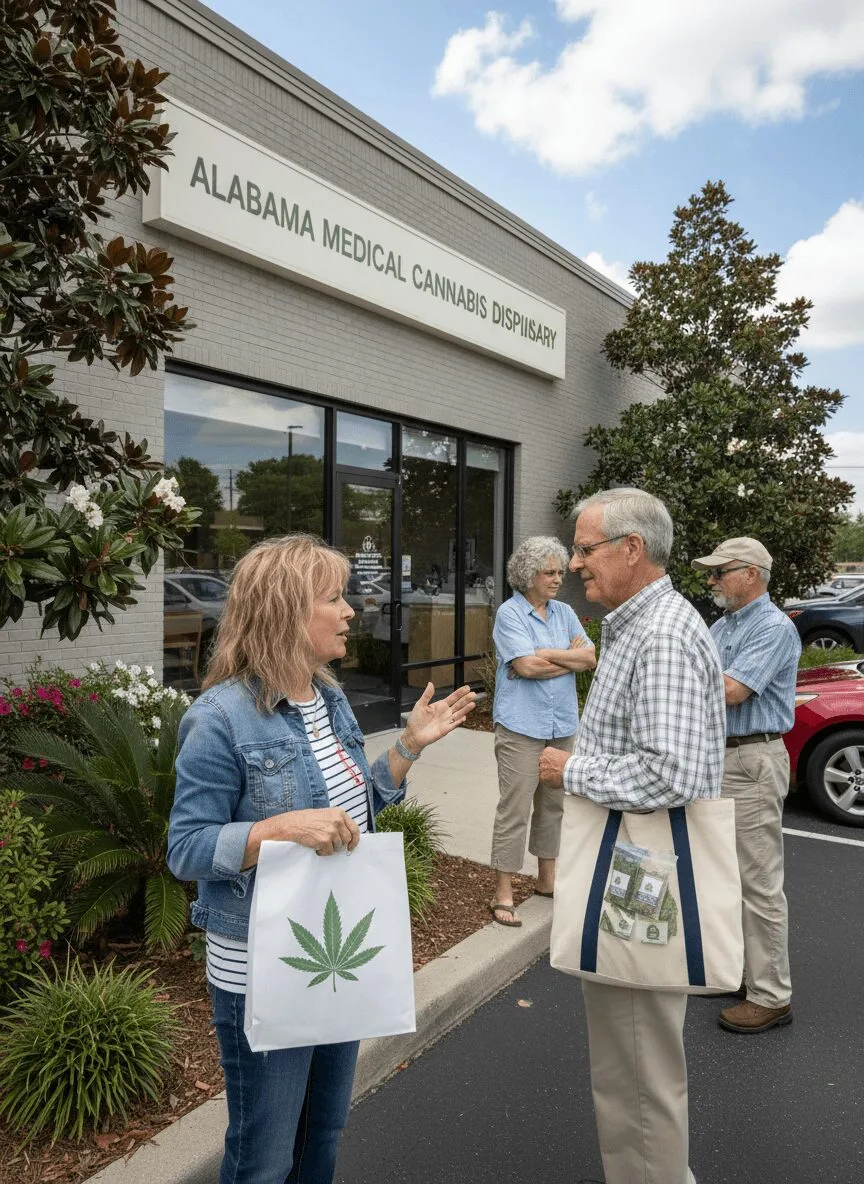
If you’re watching the buzz around Alabama medical cannabis dispensaries, you’re not alone. State-licensed dispensaries are finally becoming a reality in the Heart of Dixie, and the energy is real. Folks across Alabama—patients, advocates, and curious neighbors—want to know what’s next, how access will work, and why these developments matter now more than ever. As dispensaries prepare to open, everyone’s paying attention to legal updates, statewide regulations, and community responses. Here’s your go-to guide for everything urgent, authentic, and relevant about Alabama medical cannabis dispensaries today.
Setting the Stage: Regulation, Stigma, and Southern Progress
Alabama’s journey toward launching medical cannabis dispensaries has not been a laid-back walk in the park. Years of heated debate, cautious legislation, and community advocacy set the groundwork for real change. In 2021, the Alabama Legislature passed the Darren Wesley ‘Ato’ Hall Compassion Act, a landmark statute establishing the legal basis for medical cannabis access and regulated sales, as outlined by the National Conference of State Legislatures. Since then, the Alabama Medical Cannabis Commission (AMCC) has worked to shape a framework enforcing licensed operations, product standards, and patient protections. Likewise, other regions across the country have pursued regulated rollouts, and recent experiences with medical marijuana regulations in Massachusetts highlight how evolving legal frameworks can pave the way for broader access.
Of course, Alabama doesn’t exist in a vacuum. Cannabis remains federally classified as a Schedule I substance, so dispensaries navigate layers of state and federal complexity. In Alabama, only qualifying conditions get you approval, there are no wild-west weed shops here. Patients need physician certification and a state-registered card, and dispensaries must follow stringent controls on inventory, packaging, advertising, and security. The cultural backdrop matters, too. Decades of stigma meet a wave of new science, evolving attitudes, and medical testimonies, driving southern communities to reconsider cannabis access with less suspicion and more compassion. Recent polling by the Pew Research Center suggests a growing majority of Americans now support medical cannabis access, mirroring a subtle but real shift across conservative regions.
Dispensaries Bring Change: Recent Events, Legal Moves, and Patient Hurdles
News broke in April 2026: Alabama medical cannabis dispensaries are on the brink of opening, but hurdles remain. Patients, many living with chronic pain, epilepsy, or PTSD, are lining up for answers as dispensary sites move toward their final approvals.
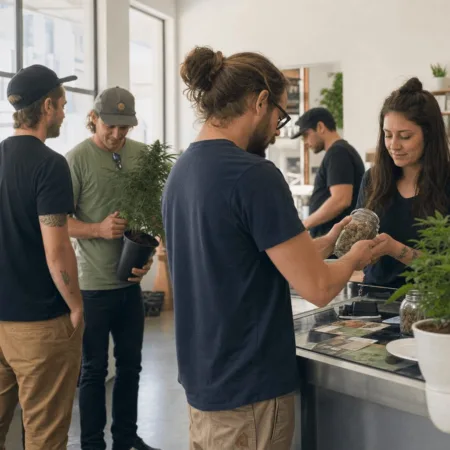
According to local reports from WAFF, dispensaries like FloraLeaf and Southern Wellness Center are prepping storefronts, onboarding staff, and establishing secure procedures. However, delays tied to regulatory checks and county zoning rules have left some patients anxiously waiting for life-changing medications. The Alabama Medical Cannabis Commission remains at the center, juggling administrative appeals and working to streamline patient enrollment. In the broader context, limited numbers of Alabama medical cannabis dispensaries have clearance to open their doors—with more awaiting final inspections and background checks.
As many patients feel that the timeline for legal access is drawn out, officials emphasize the need for safety, compliance, and transparency. This careful roll-out, authorities claim, is designed to avoid pitfalls observed elsewhere, such as those highlighted in the reopening of dispensaries in other states and the community impact there. State health officers remind us that qualifying patients must secure physician certifications, and sometimes face technical woes in the state-run application portal.
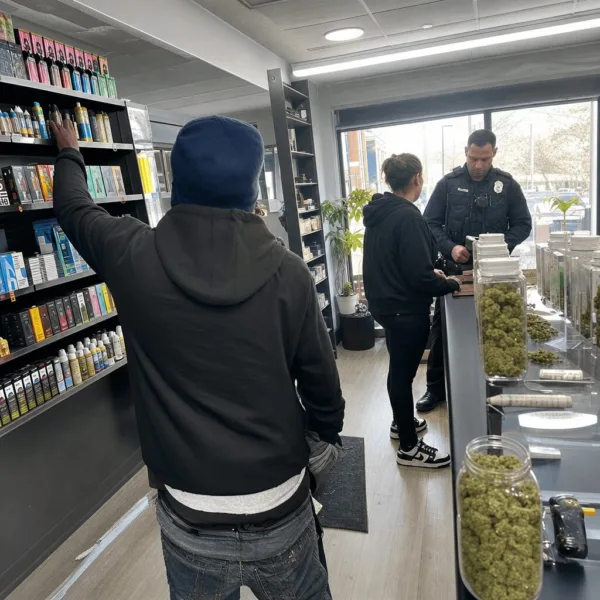
City councils and law enforcement weigh in, voicing both caution and optimism. While some towns remain wary, citing public safety and youth prevention concerns, others have openly welcomed dispensaries as economic engines and essential healthcare alternatives. In short, Alabama medical cannabis dispensaries are balancing medical urgency with the realities of red tape and local politics.
Expert Take: What This Means for Alabama and Beyond
So, what does all this mean for the cannabis community, patients, and the evolving southern market? For starters, Alabama medical cannabis dispensaries are shaking up long-standing stereotypes about the plant and its users. Industry experts highlight that, when done right, dispensary systems improve patient safety and quality of life while bolstering public trust.
Jane Allen, CEO of the respected advocacy group Americans for Safe Access, puts it plainly: “Launching tightly regulated dispensaries in conservative states like Alabama shows just how far the dialogue around medical cannabis has come. We’re seeing a careful, research-driven approach that can truly make a difference for patients who need reliable, stigma-free access.”
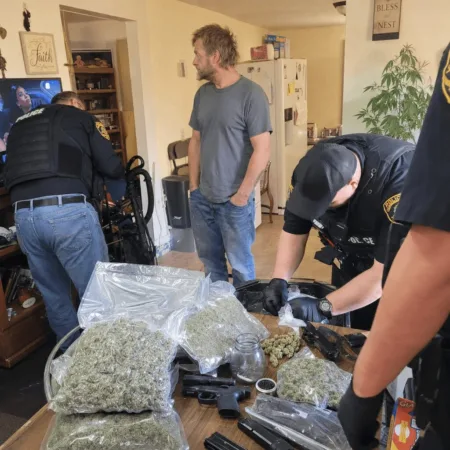
This perspective aligns with recent findings by Marijuana Moment and the National Conference of State Legislatures, which emphasize the role of clear guidelines and patient education in successful roll-outs. In addition, changing public opinions and the gradual shift away from strictly punitive perspectives, much like the way public sentiment has evolved following high-profile enforcement actions in other regions, are shaping how new states view implementation.
This nationwide dialogue is not limited to Alabama; it’s about other states watching closely, viewing this as a real-time case study to see if southern communities can balance risk, safety, and access with public integrity. The answer appears promising, as early adopters in Montgomery and Birmingham share testimonials of dramatic health improvements and supportive community responses. Even skeptics admit, the landscape is shifting, one regulatory milestone at a time.
Vision Forward: Where Do Alabama Medical Cannabis Dispensaries Go From Here?
Looking down the road, optimism is warranted—if not contagious. More patients now trust Alabama medical cannabis dispensaries to deliver real options for debilitating conditions. Regulators and advocates are collaborating closer than ever. Social acceptance—while still a work in progress—grows with every neighbor who finds relief without fear.
Industry experts at NORML believe Alabama’s steady approach could set standards for southern reform: transparency, medical rigor, and ongoing education. New dispensary openings will mean greater access, job creation, focused research, and healthier communities. The southern cannabis story isn’t about quick fixes or hype. It’s about neighbors supporting neighbors and a state learning, adapting, and healing in real time.
In a nutshell? Change is here, it’s happening in Alabama, and it’s only just begun. If you’re following Alabama medical cannabis dispensaries, keep your eyes open—the best chapters are still ahead.
Originally reported by: waff.com