





Lapeer marijuana rezoning denial: What does it mean for local businesses?
The Lapeer marijuana rezoning denial has shaken up the local business scene—and it’s got the whole cannabis community talking. As cities across Michigan ride the green wave, a denial like this hits differently. Policies are tightening even as demand booms, putting both entrepreneurs and municipalities in a tricky spot. From new state regulations to the fast-changing cannabis market, this story matters right now because it spotlights the real-life obstacles still facing the cannabis industry in 2024.
Understanding the Regulatory, Legal, and Social Context
Michigan’s cannabis regulations have been a wild ride since adult-use was legalized statewide in 2018. While some cities embrace the green economy, others put up walls, sometimes literally, with zoning laws. Lapeer is a prime example, navigating conflicting local priorities and a patchwork of ordinances. According to Michigan’s Cannabis Regulatory Agency, individual municipalities have the final say in zoning and licensing. Socially, acceptance is on the rise, but misconceptions persist, especially around odor, safety, and property values. Growing acceptance of medical cannabis in communities such as Louisville’s Highlands—as seen when a new medical cannabis clinic opened its doors—mirrors how local attitudes can shift when health and economic benefits come into clearer view. Industry experts from the Marijuana Business Daily report that zoning roadblocks are one of the biggest operational hurdles for cannabis entrepreneurs even after legalization. Lapeer’s story fits that ongoing narrative, where progress meets pushback.
Lapeer Marijuana Rezoning Denial: Key Developments and Issues
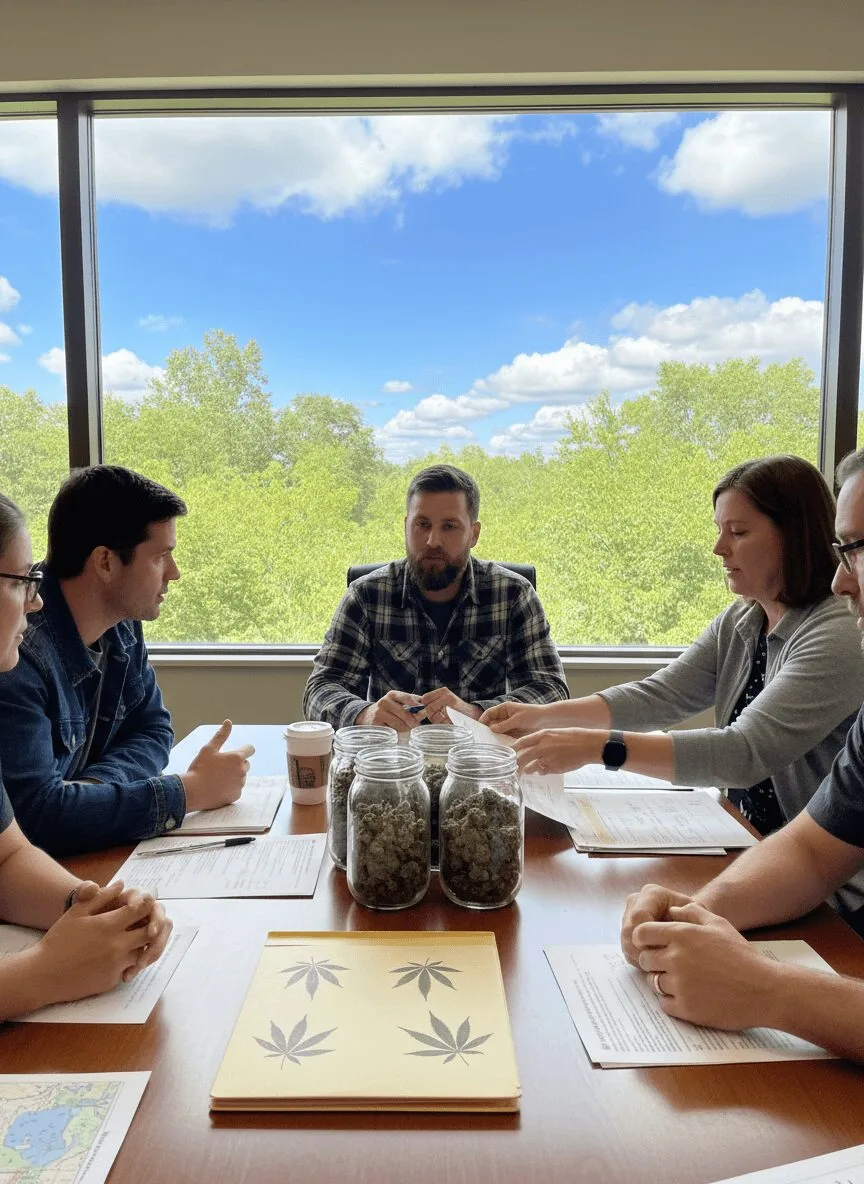
The heart of the Lapeer marijuana rezoning denial lies in a recent planning commission meeting. A company proposed to rezone a property on Davison Road for a marijuana processing facility, a project promising new jobs and local revenue. The company in question, unnamed in some reports but confirmed as a legitimate, state-licensed applicant, followed all application protocols. Their request, however, ran into resistance from both board members and certain residents. Complaints cited possible increased traffic, security issues, and neighborhood character concerns. Despite arguments highlighting regulatory oversight and economic benefits, commissioners ultimately voted to deny the rezoning. Local debates like this echo broader regional hesitancy seen in other towns, and situations like New York’s ongoing struggles with cannabis regulations, as discussed by industry insiders tracking cannabis policy setbacks. For Lapeer, the decision means another lost opportunity for local cannabis business expansion.
Expert Analysis & Balanced Counterpoints
Let’s break it down. The Lapeer marijuana rezoning denial reflects the ongoing tension between old fears and new realities. While critics often cite security and property values, industry experience and hard data tell another story. Andy Brisbo, recently quoted by Ganjapreneur as a leading regulatory voice in Michigan, said: “When local governments work with cannabis business operators, we see compliance, investment, and job creation.” The problem is, outdated stigmas still pop up at zoning meetings like stubborn weeds in a greenhouse. Facts from MJBiz Factbook show legal cannabis facilities actually reduce illicit activity and improve local economies. These challenges in Lapeer highlight issues that often appear in conversations about THC products and student health, as college campuses increasingly address cannabis education and responsibility, which you can read more about in this discussion on THC edibles and student safety. Lapeer’s denial may protect the status quo, but at what cost? Entrepreneurs lose out, tax revenue stalls, and local consumers have fewer safe, licensed options. It’s a missed opportunity to educate, collaborate, and advance public understanding about responsible cannabis operations. Seeking a balance is totally doable, the proof is all around Michigan’s thriving, well-zoned cannabis towns.
Future Outlook & Where Lapeer Goes from Here
The ripple effects of the Lapeer marijuana rezoning denial could shape local policy for years—unless, of course, stakeholders regroup and reopen the conversation. If there’s one thing cannabis advocates know, it’s that setbacks are just pit stops on the road to progress. Community pushback is natural, especially when something as controversial as cannabis is at stake. But Michigan’s overall trend is clear: cities warming up to the industry, finding compromise, and enjoying newfound revenue. The National Organization for the Reform of Marijuana Laws (NORML) has documented how community engagement and transparent education smooth the path toward smarter, more inclusive zoning. Trust that as the facts, public perception, and economic benefits pile up, towns like Lapeer will be back at the table—and next time, perhaps with even greater public support. Green shoots always find a way to break through.
Originally reported by: countypress.com



1 Comment
Pingback: North Carolina cannabis policy: Order or Chaos Ahead?