

Psychedelics Trafficking Virginia: Arrest Rocks VT Campus
We’re living in an era where cannabis acceptance is spreading fast, but debates around psychedelics trafficking Virginia are heating up. Hot off the presses, a big arrest at Virginia Tech just flipped the conversation on campus. Whether you’re tuned in for the latest legal updates, curious about shifting college culture, or just keeping tabs on your rights, this story matters. In this piece, I’ll unpack how this bust speaks to bigger trends shaking up the scene—from policy cracks to changing student attitudes. Stick around, as we roll into all the facts, context, and what this episode means for the wider cannabis world.
Background: Legal, Regulatory, and Social Tensions in Psychedelics Trafficking Virginia
Virginia’s relationship with cannabis and psychedelics has always been a rollercoaster, reflecting bigger national trends. After legalizing marijuana for adult use in 2021 (official state news), the state carved a path toward regulation but stopped short of opening legal dispensaries for retail. Psychedelics, meanwhile, remain strictly illegal, subject to harsh penalties and stiff federal regulation under the Controlled Substances Act (DEA: Controlled Substances Act), which continues to stir debate similar to the controversies around booking photos that frequently make cannabis headlines, such as those making waves in Geary County (see recent coverage). Campus environments are especially tricky, with college students facing intense scrutiny from campus police and local authorities, often amid evolving policies on personal use versus trafficking. The North American cannabis market is surging, but legal ambiguity around psychedelics trafficking Virginia still traps many in risky gray zones. Recent pushback, criminal justice reforms, and public advocacy are shifting perceptions, but supply chains, import/export laws, and university crackdowns keep this issue in the headlines. As more states flirt with decriminalization (think Oregon’s psychedelic reform (Oregon Health Authority)), Virginia’s slow pace leaves its campus scenes exposed to complex legal risks.
Key Developments: Giles County Arrest Shakes Up Virginia Tech
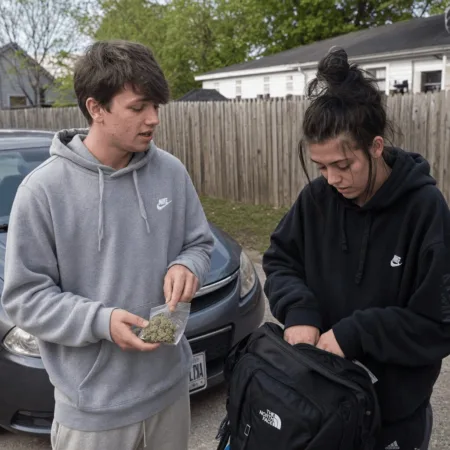
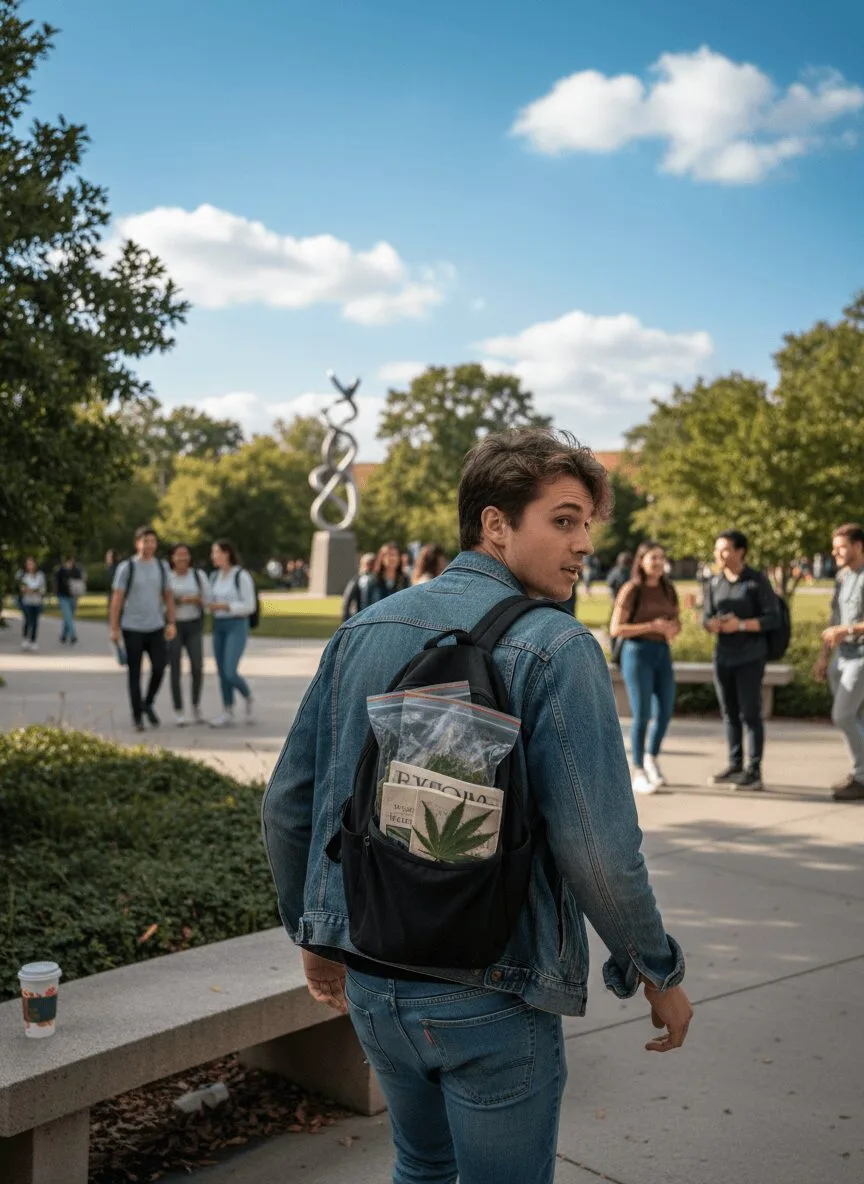
Here’s what happened, right down to the details. In April 2026, Giles County police teamed up with campus security to arrest Charles Aardema, a resident of Ripplemead, on Virginia Tech’s campus. According to WSET News, law enforcement alleged Aardema imported major psychedelics like DMT and LSD, reportedly from Brazil, and distributed them directly on school grounds, a case that echoes broader debates like the consequences highlighted in Greenville when drugs cross legal lines (related analysis). This was not your standard misdemeanor, as importation charges are federal-level serious, and authorities said evidence included clear baggies, cannabis leaf residue, and related paraphernalia found during the intervention. The investigation was rapid: police cited new customs data, campus surveillance, and coordinated sting operations. In court filings, prosecutors focused on the “trafficking” element rather than mere personal use—a major escalation for psychedelics trafficking Virginia cases. Community reactions varied, with some in shock and others frustrated about what they saw as selective enforcement. VT administration responded by tightening campus policies, while legal analysts warned students about the escalating consequences of even tangential involvement in distribution or group use.
Expert Analysis: Contextualizing Risk and Opportunity in Cannabis and Psychedelics
Let’s be blunt, getting caught up in psychedelics trafficking Virginia is playing with fire under current laws, even as attitudes shift. Still, this doesn’t mean the story is all doom and gloom. According to Leafly, “We’re seeing increased public support for nuanced, health-first approaches to both cannabis and psychedelic policy. The key is ending outdated policing strategies and focusing on harm reduction over criminalization.” That kind of expert insight adds real weight here. The Aardema case underscores the disconnect; social acceptance of cannabis is at an all-time high, but law enforcement’s stance on psychedelics remains harsh, echoing the uncertainty that followed Mississippi’s recent governor action on medical marijuana access (see broader impact). For many on campus, the big takeaway is about education—knowing what’s legal, what’s risky, and why policy shifts matter. As the pressure mounts to bring Virginia’s regs in line with progressive states, people in the cannabis sector remain optimistic but grounded.
If you’re in the cannabis game, this episode is also a clear reminder: crossing into psychedelics remains a totally different legal universe, just as states like Alabama have faced turning points in access and regulation with their new dispensary launches (recent development). Yet, with ongoing reports from NORML and similar groups showing mounting data on the benefits of sensible drug policy, there’s real hope that wider reforms, focused on science and harm reduction, are on the horizon.
Looking Forward: Cannabis, Psychedelics, and a Changing Legal Landscape
Sure, this case puts a spotlight on the risks of psychedelics trafficking Virginia—especially in tight-knit college communities. But with cannabis reform gaining traction across the country, public opinion and policing approaches are evolving. The real challenge moving forward is crafting policies that distinguish between personal use, responsible access, and genuine criminal trafficking. There’s optimism: recent trends cited by Marijuana Moment show lawmakers are warming up to incremental change, not just outright prohibition. For students, entrepreneurs, and advocates alike, the future is looking a lot greener (and maybe, one day, a bit more colorful). Stay tuned as the cannabis community keeps pushing for smarter, fairer laws in psychedelics trafficking Virginia and beyond.
Originally reported by: wset.com