



Social Equity Cannabis Licensing: Co-op Rhody Speaks Out
Social equity cannabis licensing is one of the hottest topics in the cannabis industry as more states push for fairer opportunities. With new policy shifts and mounting advocacy from groups like Co-op Rhody, the movement for equitable cannabis access is hitting a pivotal moment. This article dives into the latest developments, why social equity cannabis licensing matters, and what the Rhode Island case means for the nation’s broader reform efforts. We’ll unpack the inside story, spotlight market realities, dissect the current regulatory drama, and share expert perspectives on how true equity could be achieved in cannabis.
The Push for Social Equity: Regulatory and Market Background
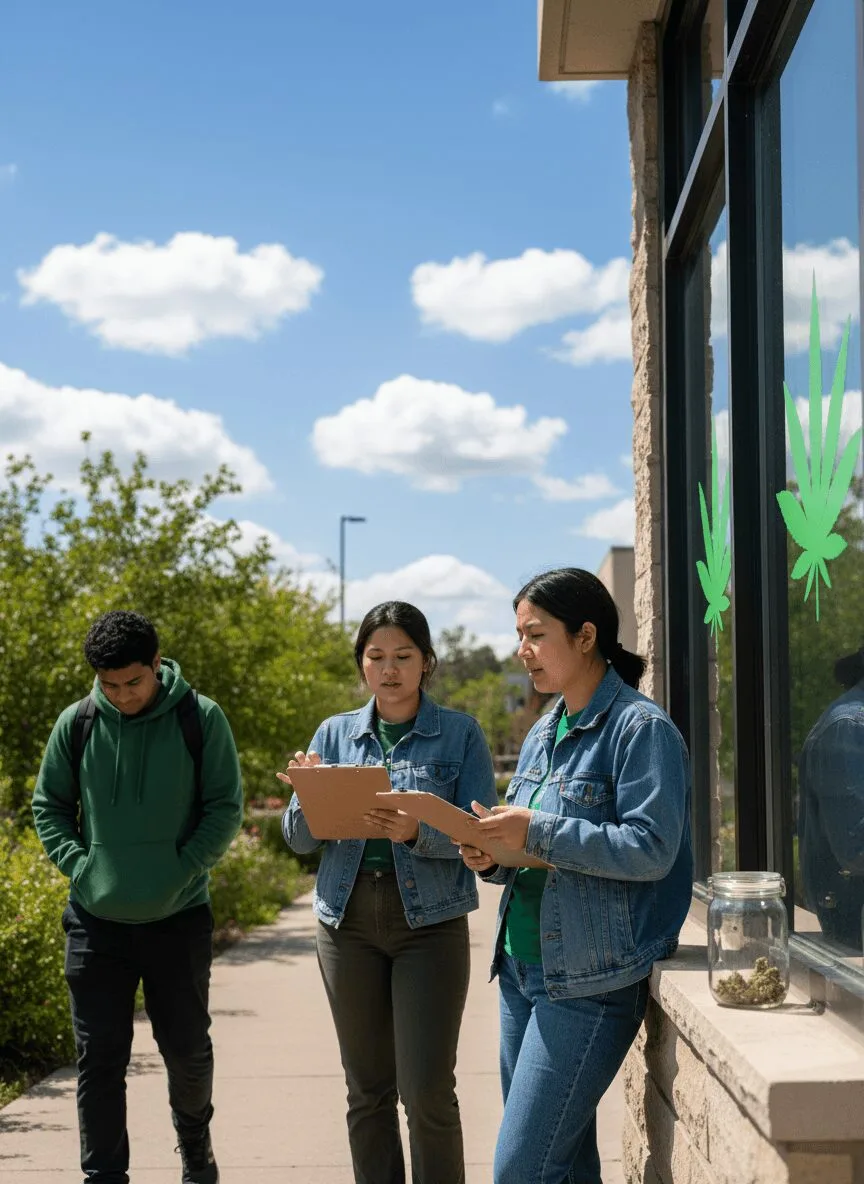
The call for social equity cannabis licensing stems from decades of unbalanced enforcement of cannabis laws. Historically, marginalized communities have faced disproportionate arrests and long-term economic costs related to prohibition, according to the ACLU. Public concern has been heightened not only by enforcement but also by recent local headlines, such as outrage and debate sparked on city streets following high-profile marijuana arrests, which highlight persistent inequities (see more here). As more states legalize cannabis, regulators and activists are wrestling with both market demand and social responsibility. In states like Illinois and Massachusetts, equity licensing programs aim to lower barriers by providing access to capital, business resources, and streamlined application systems for those impacted by past cannabis convictions (Leafly Social Equity Maps). Despite good intentions, many programs have struggled with bottlenecks, red tape, and resource gaps. Industry analysts such as MJBizDaily report that less than 20% of social equity licenses go to their intended applicants. Rhode Island’s recent foray into cannabis licensing brings these questions to the local forefront, challenging the system to offer meaningful participation, especially as the state’s first legal retail sales approach.
Key Developments: Co-op Rhody’s Advocacy and Rhode Island’s Licensing Process
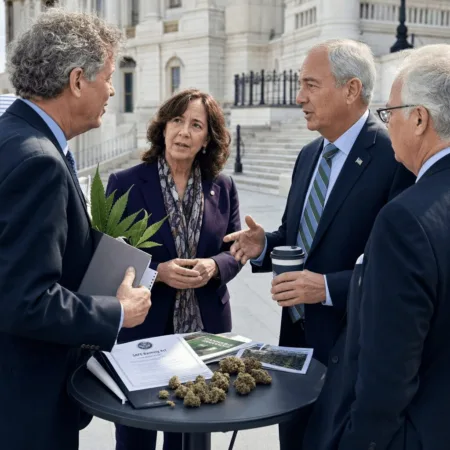
In June 2024, Co-op Rhody, a community-centered cannabis cooperative, publicly criticized Rhode Island’s preliminary social equity cannabis licensing process. According to their statement, the process has lacked transparency, failed to involve impacted communities directly, and risks perpetuating old power dynamics. The cooperative’s leadership points to specific regulatory ambiguities and raises red flags about how scores are calculated, how applicant feedback is solicited, and why certain community voices remain sidelined. As detailed in a statement reported by local journalist Steve Ahlquist, Co-op Rhody argues that the current licensing draft “misses the mark on true equity” and calls for a clear, public review process. The group’s activism builds on local and national data suggesting that without robust oversight, social equity cannabis licensing efforts can become little more than lip service. Additionally, the recent injunction against the state licensing process raises critical questions for communities and applicants alike, as examined in this breakdown of the latest legal challenge (read more about the Rhode Island cannabis licensing shakedown). While the Rhode Island Department of Business Regulation claims their framework follows national best practice, evidence from Brookings Institution shows that only deep, sustained engagement yields real progress. The story is still developing, with state regulators facing heavy scrutiny as they prepare for the next round of application reviews later this summer.
Expert Analysis: What Matters Most in Social Equity Cannabis Licensing
Co-op Rhody’s critique echoes frustrations felt by aspiring cannabis entrepreneurs from Los Angeles to Boston. Industry experts agree: without transparency and accountability, social equity cannabis licensing programs can fail to deliver. As Marijuana Moment columnist Shaleen Title—a former cannabis regulator—puts it: “Equity must be built into every step, from rulemaking to final license awards. Communities most hurt by prohibition deserve more than token gestures. The only way forward is partnership, not paternalism.” In this highly scrutinized environment, the importance of robust technical assistance, low-interest loans, and business incubators remains obvious, but ongoing legal and regulatory battles—such as those seen in the evolving medical cannabis product testing debates—can sometimes overshadow equity efforts (an example from Maine’s medical cannabis testing debate). State-level analysis shows that robust technical assistance, low-interest loans, and business incubators can help level the playing field. But even the most progressive frameworks face challenges: market consolidation, limited retail locations, and ongoing stigma hinder minority participation. National organizations like the Minority Cannabis Business Association urge regulators to set strong benchmarks and independent oversight. Only then can social equity cannabis licensing disrupt old patterns, turning policy promise into real-world progress.
Looking Ahead: A Brighter, More Inclusive Future for Cannabis
Despite the current struggles, the movement for social equity cannabis licensing is gathering momentum in Rhode Island and beyond. The cannabis industry’s growth—projected to top $40 billion by 2025 according to New Frontier Data—means enormous potential for new businesses and vibrant local economies. That future can only be built on a foundation of inclusion, fairness, and community reinvestment. As regulatory models evolve, advocates, public officials, and legacy entrepreneurs must keep pushing for policy that centers the voices and needs of the people hit hardest by cannabis prohibition. With bold, transparent action, Rhode Island’s social equity cannabis licensing story could serve as a blueprint for restorative justice across the country. Anyone following cannabis knows real change is slow, but this much is clear: equitable access is the future—and the loudest voices are just getting started.
Originally reported by: steveahlquist.substack.com