Greenville sexual assault sentencing: Community reacts to verdict
The Greenville sexual assault sentencing has ignited strong emotions throughout the Upstate, sparking heated debates that stretch beyond the courtroom. This isn’t just another headline—this case brings urgent questions about youth safety, legal consequences, and how community perceptions of cannabis, alcohol, and responsibility intersect. As the community grapples with the fallout, the Greenville sexual assault sentencing case stands out as both cautionary tale and catalyst for crucial conversations on law, industry, and culture.
Legal and Social Backdrop: Greenville’s Growing Pains
Greenville’s recent population boom brings both opportunity and challenge, especially as the city wrestles with legal, cultural, and regulatory shifts around cannabis and alcohol. South Carolina remains one of the most tightly regulated cannabis markets in the country, with no adult-use legalization and only extremely limited medical access, as confirmed by NORML’s South Carolina cannabis law overview. Still, surrounding regions have seen relaxing attitudes and mounting legislative efforts, amplified by record-breaking sales and increased mainstream visibility for the plant. In some states, regulatory shifts—like when Portage cannabis shops in Michigan were shuttered—have directly impacted communities and shaped conversations on safe access; see more in this feature on dispensary closures affecting Michigan cannabis shoppers. These social shifts occasionally collide with conservative legal frameworks, leading to complicated criminal cases, especially ones involving young people, responsible cannabis use, and community values. Balancing public safety with justice reform and harm reduction has never been more relevant, with all eyes on the current Greenville sexual assault sentencing process as a reflection of where the community draws the line.
Core Developments: The Greenville Sexual Assault Sentencing Case Unpacked
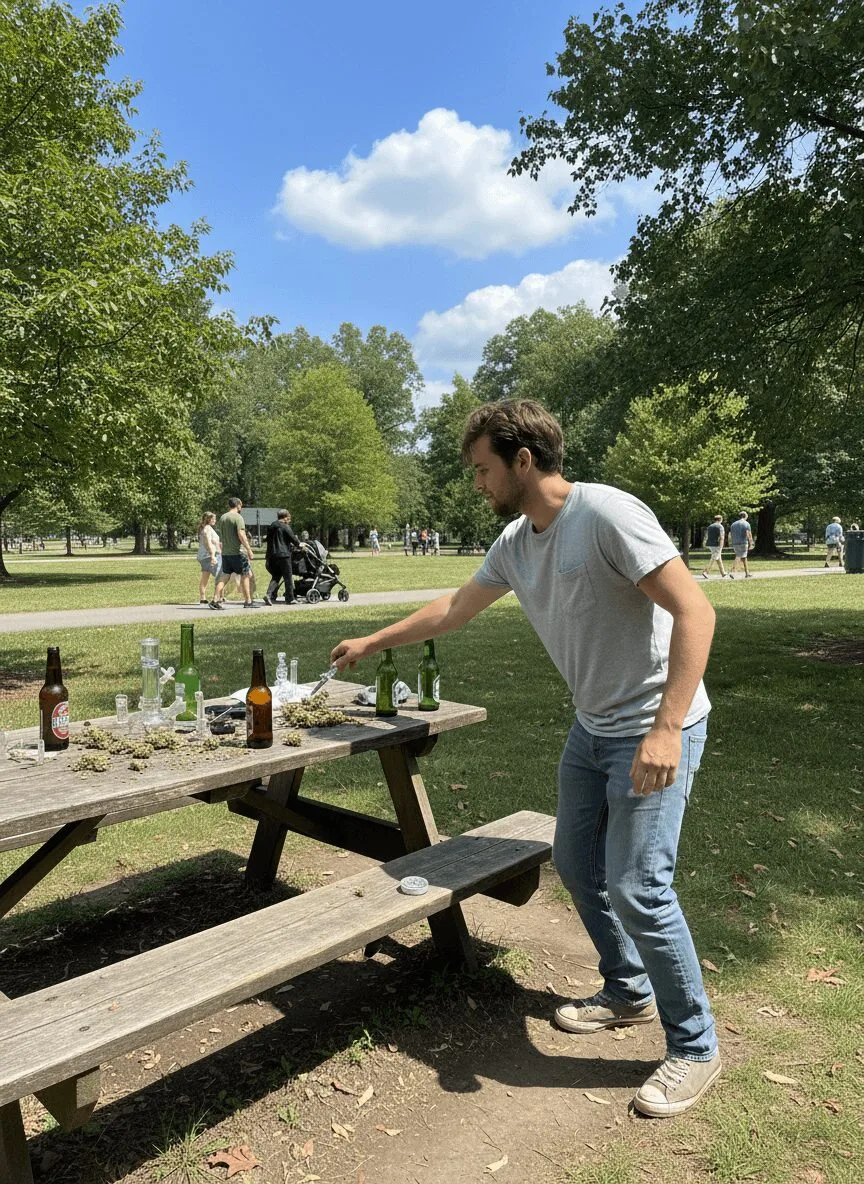
On April 8, 2026, a Greenville County jury delivered a guilty verdict in the widely watched case involving Johnathan Miles, who was charged with felony sexual assault of a 13-year-old. According to FOX Carolina’s trial report, the incident involved Miles supplying the victim with alcohol and marijuana, which he allegedly provided during an unsupervised gathering in a public Greenville park. Evidence collected and presented at trial included physical samples, digital records, and testimony confirming that cannabis and alcohol featured in the lead-up to the assault. Elsewhere, scrutiny over regulations and enforcement—such as the growing number of marijuana-related home investigations—reminds us of broader public safety dynamics, as discussed in the context of a notable South Carolina home search involving cannabis and firearms.
Following Miles’s conviction, presiding Judge Sheryl Winstead handed down a sentence that blended prison time with mandated rehabilitation programs. The verdict highlighted South Carolina’s tough legal stance on both youth victimization and controlled substance distribution. In the aftermath, community leaders, parents, and advocates voiced mixed opinions, some focusing on substance access and prevention, others questioning whether cannabis and alcohol should share equal blame, aligning the spotlight squarely on the nuances of the Greenville sexual assault sentencing.
Expert Analysis & Nuanced Pro-Cannabis Insights
Let’s be clear, nobody in the cannabis industry condones or minimizes harm when minors, assault, or substance misuse are involved. Seasoned advocates have long separated adult cannabis use from irresponsible behavior, pointing out the stark difference between legal, regulated sales and black-market supply to minors. As Leafly’s cannabis policy analyst Bruce Barcott put it, “It’s a failure of our broader approach when prohibition drives products into the shadows, away from safe, controlled distribution.”
In fact, the Greenville sexual assault sentencing shines a harsh light on why robust regulatory systems are essential. Where cannabis remains illegal or stigmatized, youth access can ironically become less controlled, not more. As noted by the American Academy of Pediatrics, the safest course is adult-only sales, paired with education and community engagement, including trauma prevention before substances become part of tragedies. Meanwhile, ongoing changes and comparisons from other states, such as how West Virginia is reinvesting cannabis tax revenue locally, can serve as valuable lessons for communities like Greenville facing tough sentencing decisions; learn more about how millions are sparking change in West Virginia’s cannabis policy.
Smart harm reduction policies, in addition to real talk among parents, schools, and advocates, could keep these headlines from becoming routine and put industry accountability at the core of every serious conversation stemming from the Greenville sexual assault sentencing.
Where Do We Go from Here? Cannabis, Community, and a Safer Future
The Greenville sexual assault sentencing was a gut punch for a city seeking its balance between growth and tradition. Yet it’s also wake-up call—one that pushes policymakers, law enforcement, educators, and industry leaders to unite around sensible reform and transparent education. Industry trackers like Benzinga report record growth nationwide for regulated cannabis, with most states seeing dramatic drops in teen usage rates post-legalization. With proper regulation and open dialogue, communities like Greenville can reduce both substance-related harm and the tragic crimes that shake public trust. For every setback, the industry continues to evolve—toward accountability, advocacy, and safety for all. As the next chapter unfolds, optimism is our strongest ally, guiding the shift from reactive blame to proactive solutions, while keeping the lessons of the Greenville sexual assault sentencing front and center for all who care about the future.
Originally reported by: foxcarolina.com