

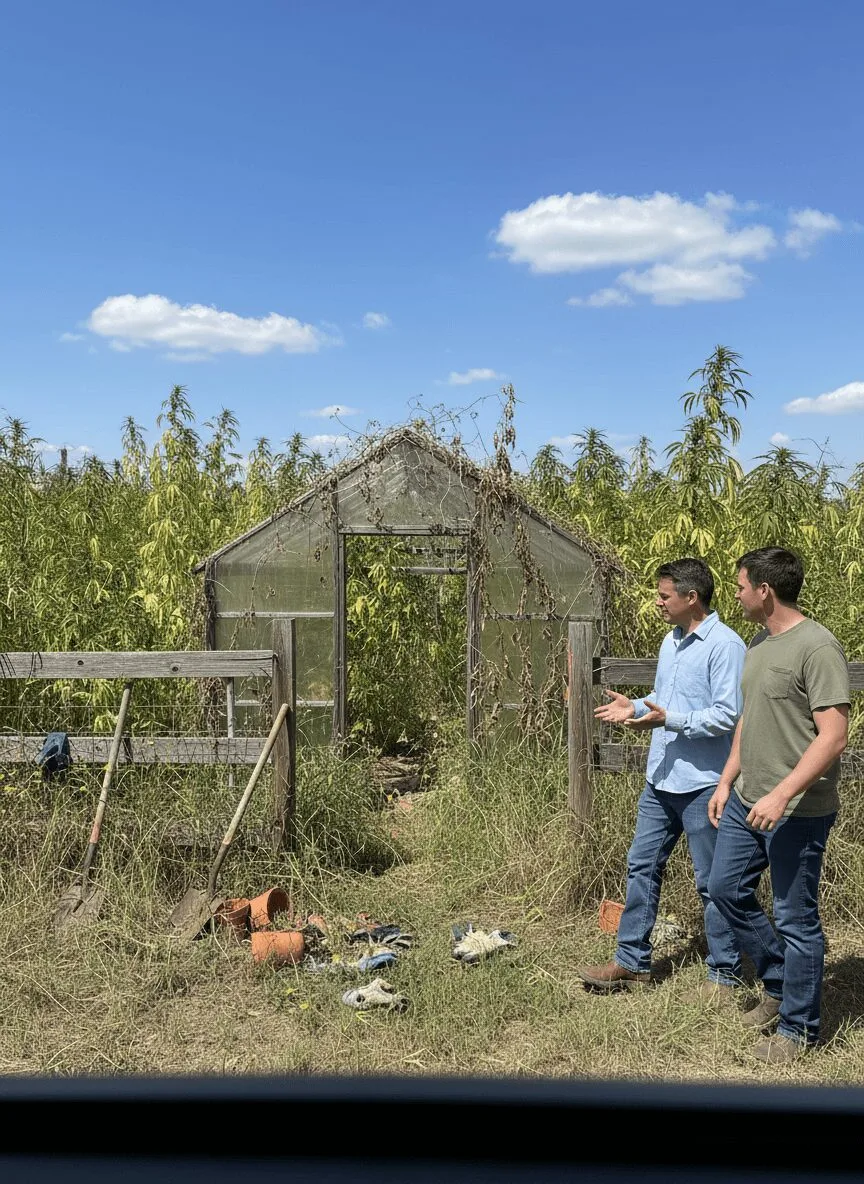
Oklahoma Abandoned Marijuana Sites: What You Need to Know
It’s hard to ignore the chatter about Oklahoma abandoned marijuana sites sweeping across newsrooms and social feeds. As regulators crack down on unlicensed grows and shifting state laws squeeze margins, more rural Oklahoma fields are left untended. This matters not just for the bottom line, but for communities, the legal market, and the evolving face of American cannabis. Let’s sort through what’s happening, why, and what it could mean next for the cannabis scene.
Understanding the Roots: Regulations, Licensing, and Oklahoma’s Green Rush
Oklahoma’s cannabis market exploded after legalization in 2018, quickly becoming one of the most open and accessible in the nation. With a relatively low barrier to entry, thousands of growers set up shop, hoping to score big in the new green economy. However, rapid growth created headaches, as regulatory oversight struggled to keep pace, and illicit operations slipped through the cracks. State lawmakers, responding to increasing reports of unlicensed grows and community complaints, began tightening rules. New compliance checks, higher fees, and stricter documentation have turned the tide. Meanwhile, the challenges Oklahoma faces in the cannabis industry echo debates across the country, such as those seen in Nebraska over medical cannabis legislation, highlighting the shared regulatory obstacles between states.
The surge in regulations ushered in a wave of closures, leading to a rise in Oklahoma abandoned marijuana sites. According to Oklahoma Medical Marijuana Authority, dozens of licenses have been revoked since 2023 over non-compliance, leaving behind a patchwork of forsaken fields, empty greenhouses, and sometimes hazardous waste. Local officials and neighbors have voiced concerns about community safety, environmental cleanup, and the lingering stigma.
Key Developments & Current Issues: What’s Really Going Down at Oklahoma Abandoned Marijuana Sites?
The past year has brought major news, as Oklahoma regulators have amped up enforcement against both legal and illicit cannabis grows. According to the Oklahoma House of Representatives (April 8, 2024), inspection sweeps revealed hundreds of abandoned marijuana sites scattered around Oklahoma’s rural counties.
Much of this activity traces back to severe regulatory reforms that took effect in late 2023, including:
- Mandatory electronic seed-to-sale tracking, enforced by the state’s Metrc system.
- Increased background checks for license holders.
- New requirements for property ownership/lease documentation.
- Double-digit percentage hikes in licensing and renewal fees.
This new regulatory heat has slashed profit margins and forced many small growers, and some out-of-state investors, to walk away, often leaving Oklahoma abandoned marijuana sites behind. Legislators report that some of these deserted sites still contain hazardous materials, irrigation systems, and makeshift greenhouses, sparking calls for dedicated cleanup funds and stricter penalties for unremediated land. Cases like these reflect broader regulatory issues affecting marijuana businesses across the country, similar to the challenges surrounding federal drug and firearm charges faced by some cannabis operators.
According to reports from Leafly News, both state police and the Oklahoma Bureau of Narcotics have stepped up property inspections, leading to over 350 license terminations and numerous legal actions. However, pinpointing responsibility for cleanup, especially on leased land, remains a fuzzy legal question.
Expert Insights: Why Abandoned Sites Are a Symptom, Not the Disease
Let’s be real, the visual of empty cannabis fields isn’t a good look, especially for legit businesses and advocates. But what’s happening with Oklahoma abandoned marijuana sites is really about growing pains. The state went from zero to sixty on legalization, and now it’s time for a course correction. The experts get it. As Marijuana Moment reports, Dr. Amanda Reiman, a policy researcher at the Drug Policy Alliance, says, “Abandoned sites are a sign of a maturing market, they highlight where regulation needs to evolve, not that legalization itself has failed.”
Oklahoma’s rapid-fire cannabis expansion drew investors and entrepreneurs from coast to coast. Some were ready for the long haul, but others bailed when quick profits dried up. It’s a classic industry shakeout and not unique to Oklahoma or even cannabis. What’s key, advocates argue, is how the state balances tough law enforcement with tools for compliant growers to adapt, remediate land safely, and protect their investments. These conversations mirror developments nationwide, such as ongoing marijuana regulation debates in North Carolina, which show how local and national policies intersect in shaping the future of cannabis industries.
Many in the industry are urging lawmakers to channel unused licensing funds toward site remediation grants and technical assistance, as recommended in Cannabis Business Times. This proactive approach could transform these abandoned fields into success stories, not just cautionary tales.
Looking Forward: How Oklahoma & Cannabis Will Grow Beyond the Abandonment Issue
The story of Oklahoma abandoned marijuana sites isn’t just about shuttered greenhouses. It’s about a developing industry learning on its feet and a state finding its regulatory groove. Industry optimism remains strong: Oklahoma’s cannabis sector continues to generate meaningful tax revenue and attract skilled growers. Ongoing public support and overwhelming national acceptance of legalization back up a future where responsible, cleaned-up grows will flourish alongside robust compliance.
Cleanup and policy reforms will take time, but with regular feedback from seasoned growers, nonprofit advocates, and credible policymakers, Oklahoma can lead the way in turning tough lessons into smarter, greener cannabis development. The legacy of these abandoned sites may be a turning point, not an epitaph, for regulated cannabis across the Midwest.
Originally reported by: okhouse.gov