
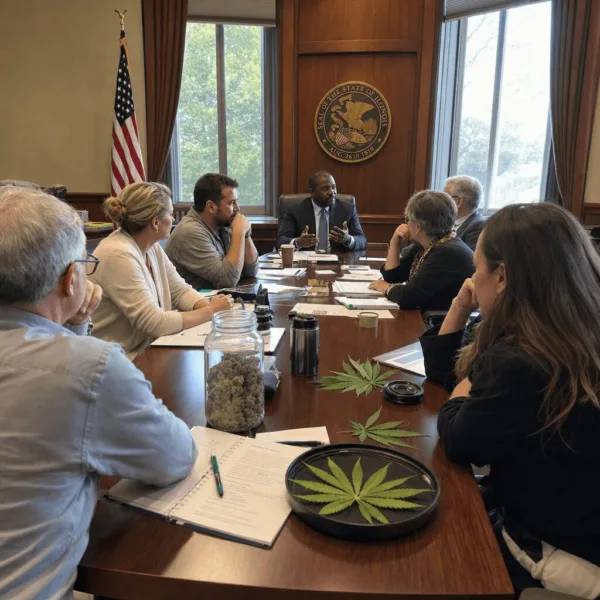





Legal History of Cannabis: Explore Modern Reforms in the US
The legal history of cannabis is making headlines in the United States. Shifting laws, fresh attitudes, and bold legalization moves have the industry—and the whole culture—buzzing. Right now, more states are embracing reform, pushing conversations from the weed shop to the White House. This moment isn’t just about lighting up legally—it’s about rewriting the story of cannabis entirely. In this article, we’ll break down why the legal history of cannabis matters today, spotlight the latest developments, and see how it all adds up for true progress.
From Prohibition to Progress: Background on the Legal History of Cannabis
The roots of the legal history of cannabis in America run deep. The 20th century saw intense prohibition, kicked off by policies like the 1937 Marihuana Tax Act, which effectively criminalized cannabis nationwide. For decades, harsh penalties and anti-drug campaigns dominated public perception and law enforcement. Yet, by the late 20th century and early 2000s, a massive shift began as both voters and medical experts questioned prohibition’s logic and outcomes. According to data from the Pew Research Center, a majority of Americans now support medical or recreational cannabis legalization. Growing awareness of racial disparities in arrests and the economic opportunities behind legal retail have nudged legislators, advocates, and entire states to reconsider the old playbook. Grassroots activism, major industry groups like NORML, and public health authorities all helped flip the societal script. In recent years, some local communities have seen events that ripple through the conversation, such as surprising discoveries of cannabis in unexpected places sending ripples through communities like Petersburg. Today, cannabis regulatory frameworks echo a wider societal evolution, where plant medicine and personal choice finally get a fair hearing.
Pivotal Moments in US Cannabis Reform
The legal history of cannabis has been rewritten at a breakneck pace. In 1996, California started the domino effect with Proposition 215, legalizing medical cannabis, an event widely covered by The New York Times. Since then, more than three dozen states have greenlit cannabis in some form, and 24 states plus D.C. have legalized adult recreational use (as of early 2024). On the regulatory level, dramatic modern reforms have happened across the country, including intense debate in states like North Carolina where recent seizures and the underground market have drawn attention shedding light on a multi-billion dollar illicit market. Colorado blazed the trail for recreational sales in 2014, generating over a billion dollars in tax revenue within a few years, as noted by the Colorado Department of Revenue. The latest federal buzz springs from the Biden administration’s 2022 announcement to review cannabis’s Schedule I status, signaling a possible seismic legal shift, according to Politico. Social equity and expungement programs have also entered the spotlight, addressing long-standing injustices. Prominent cities like New York, Los Angeles, and Chicago are also reshaping zoning, licensing, and enforcement. Meanwhile, the business world is seeing a green rush. Cannabis startups, established brands, and Wall Street firms all acknowledge that this is a new legal era for the plant. Through all these twists and turns, the legal history of cannabis keeps expanding and diversifying, setting the stage for even bolder reforms ahead.
Expert Analysis & Fresh Insights: What These Changes Really Mean
What does this all add up to? The legal history of cannabis in the US is really a story about reclaiming freedom, correcting policy mistakes, and driving new markets. As Keith Stroup, founder of NORML, put it: “We’re finally at a point where the old stigmas are breaking down, and real conversations about cannabis as medicine, as industry, and as a safer social alternative can happen.” More people see legalization not just as a policy issue, but as a cultural sea change, one tied to social justice, public safety, and economic revival. According to the latest Statista report, US retail marijuana sales crossed $32 billion last year, a clear sign that reform is a full-blown movement. As this transition unfolds, the landscape continues to be shaped by developments on taxation and funding, with some cities making bold new moves that could have a long-lasting urban impact as seen in recent Cleveland initiatives. For those worried about risks, over 20 years of state-level data support tighter regulation as a better path than blanket prohibition. The legal history of cannabis is now a case study for pragmatic progress, not just for the US, but as a model internationally.
Where the Legal History of Cannabis Is Headed Next
It’s clear: the legal history of cannabis is still being written, with each new reform shaping the plant’s place in modern America. As more states roll out innovative policies and challenge outdated federal laws, mainstream acceptance continues to grow. Education, social justice initiatives, and public-health-first regulations promise a smarter, safer future for consumers and entrepreneurs. According to MJBizDaily, openness to legal cannabis is driving record market growth and cultural acceptance in the US. For advocates, everyday citizens, and business leaders, this era is about more than rules—it’s about building a movement rooted in freedom, equity, and awareness. Keep your eyes peeled: the next chapter in the legal history of cannabis will be even more transformative.
Originally reported by: apha.org


1 Comment
Pingback: Prescribing Supplied Medicinal Cannabis: What Doctors Must Know