


Cannabis Raids Community Impact: Fear, Trauma & Local Response
Let’s get real for a sec—right now, the cannabis raids community impact is more relevant than ever. With headlines popping up across the nation, communities are wrestling with the fallout of law enforcement cracking down on local dispensaries and grows. It’s not just about plants and policy; it’s about families, trust, and trauma. In this deep dive, we’ll unpack what’s gone down, why it happened, and what it means. From shifting laws to genuine human distress, this story connects people, policy, and plant medicine. Let’s roll into the details together, keeping the cannabis raids community impact front and center.
Unpacking the Roots: Why Cannabis Raids Rock Communities
The cannabis raids community impact stretches far beyond a headline, it’s a knot of legal, social, and regulatory roots. Canadian cannabis law has shifted rapidly; while recreational cannabis is federally legal, provinces and Indigenous communities often develop their own enforcement practices (Government of Canada). However, that federal-provincial disconnect can spark confusion and tension over who gets to grow, sell, or police cannabis, especially in tight-knit rural or First Nations communities. In some places, shifting cannabis laws and workplace policies are adding another layer of complexity to how communities adapt and respond (see how cannabis laws are redefining workplace culture). Plus, legacy players and long-time cannabis advocates who paved the way encounter real risks, with law enforcement sometimes favoring punitive action over collaborative solutions. These complex jurisdictional layers set the stage for the cannabis raids community impact, heightening stress, distrust, and calls for reform in the very communities cannabis has often aimed to heal.
Recent Raids & Their Realities: What Happened in Potlotek
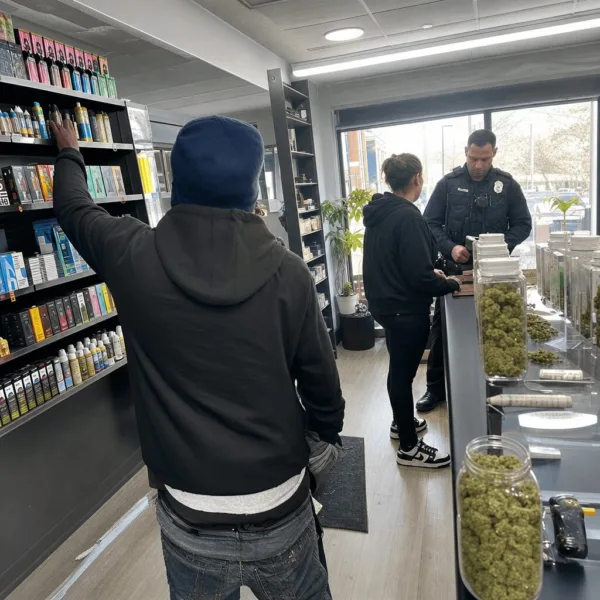
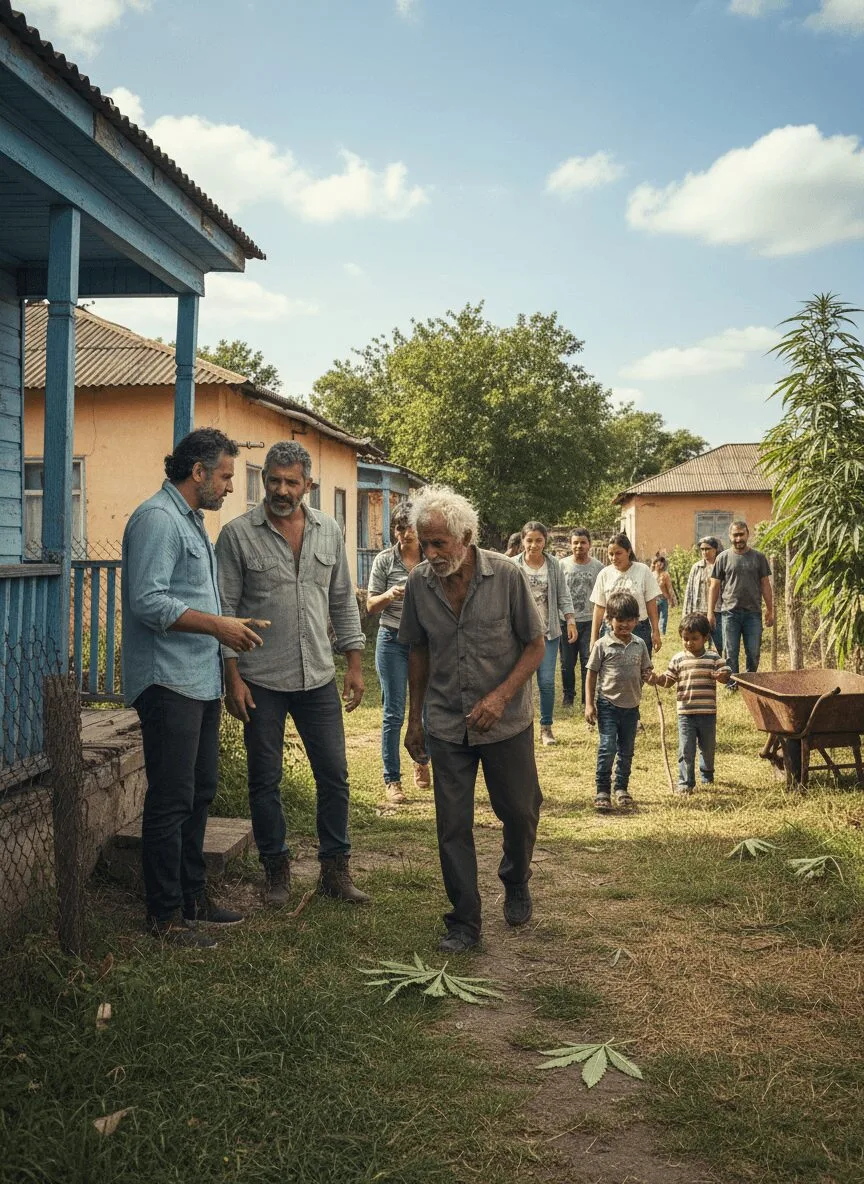
In Cape Breton’s Potlotek First Nation, recent law enforcement actions brought those very tensions front and center (SaltWire News). Officers raided local cannabis dispensaries, seizing product, and, according to Chief Wilbert Marshall, triggering a wave of distress—and not just financial. Families were caught in the middle, with children and elders witnessing heavily armed police enter their neighborhood. Shops with deep roots in the community were abruptly shuttered, leaving questions about economic loss and cultural respect. Chief Marshall put it plainly: these cannabis raids community impact stories aren’t abstract—they’re about fear, trauma, and a sense of being targeted. The raids followed a familiar pattern seen across other provinces: uncertain jurisdiction between federal legalization and local governance, and a lack of advance dialogue with community leaders. The confusion and trauma echo what many rural and Indigenous communities voiced during previous enforcement surges (Global News), with the additional sting of disrupting locally run businesses that often serve more than just economic roles. Many communities, both rural and urban, have felt how marijuana arrests can shape everyday lives and even influence the character of whole cities (see the larger impact of marijuana arrests).
Expert Insights: Trauma, Progress, and Possibility
The cannabis raids community impact strikes a nerve with industry veterans and advocates alike. These episodes underline how law enforcement can misread cultural, medicinal, and economic realities unique to each community. Dr. Daniel Bear, a recognized cannabis researcher at Humber College, told Leafly: “Enforcement-heavy approaches ignore the nuanced way First Nations view cannabis, often compounding old wounds instead of building new partnerships.” The challenge? Balancing public health, safety, and Indigenous autonomy while respecting economic development.
- Many experts advocate shifting from raids to respectful dialogue and co-regulation.
- Community-run shops are often safer, more trusted than black market dealers.
- Trauma from raids can last for years, undermining public trust.
As reforms continue, some states like Massachusetts are actively seeking new deals to move cannabis policy forward, showing how legislative progress can improve outcomes for local communities (see how reform is evolving in Massachusetts). Yet, as cannabis reforms expand globally, credible reports from MJBizDaily show that thoughtful regulation and Indigenous partnership create lasting economic and social gains, a direction the tide is slowly turning toward, barring these setbacks.
New Paths Forward: Healing & Building After Raids
Despite the pain, the cannabis raids community impact could catalyze overdue change. More lawmakers—federally and provincially—are calling for dialogue, not just enforcement. Major publications like CBC report growing momentum for Indigenous-led cannabis regulation, marrying public health with cultural sovereignty. Communities want more than just compliance—they want respect, repair, and revenue. If dialogue and partnership become the new normal, the cannabis industry could become a positive economic engine and a bridge for reconciliation, not a wedge. With every conversation, every hard lesson, we pave the way for a more just and genuinely green future for all Canadians.
Originally reported by: saltwire.com
2 Comments
Pingback: Medical Cannabis Fund Spending: See How Millions Are Used
Pingback: Cannabis Culture Documentary: Watch the Eye-Opening Trailer