




Hash Bash marijuana citations: What You Need to Know Now
With the return of Hash Bash in Ann Arbor, all eyes are turning to the sharp spike in Hash Bash marijuana citations on the University of Michigan campus. As progressive cannabis policies sweep Michigan and parts of the U.S., the tension between festival culture and campus regulation is more relevant than ever. We’re cutting through the haze to explain why these citations matter now, what went down, and what this says about larger cannabis trends. Whether you’re a student, advocate, or just weed-curious, here’s the ultimate lowdown on the rules, the risks, and the changing landscape post-Hash Bash.
Understanding Hash Bash and Marijuana Policy at Michigan
Hash Bash has been igniting Ann Arbor’s spring since the 1970s, serving as a strong display of grassroots resistance and a celebration of cannabis culture. The National Organization for the Reform of Marijuana Laws (NORML) details Michigan’s shift to statewide legalization of recreational cannabis in 2018, but campus rules often remain much more conservative. According to campus policy posted by the University of Michigan, marijuana is still banned on university property because federal law continues to classify cannabis as illegal. While the state market has now surpassed $3 billion in legal sales each year, the line between social acceptance and institutional policy is sharper than ever. In fact, evolving oversight related to marijuana use is discussed in-depth in this resource on staying compliant with cannabis regulations in 2024.
This ongoing conflict between local culture and institutional rules sets the stage for annual Hash Bash marijuana citations. Even with Ann Arbor’s famously relaxed city ordinances, where past fines could be as low as $25, university property is governed by a very different set of rules. Understanding this mismatch is key to grasping the current citation flare-up.
Hash Bash 2026: The Surge in Marijuana Citations Explained
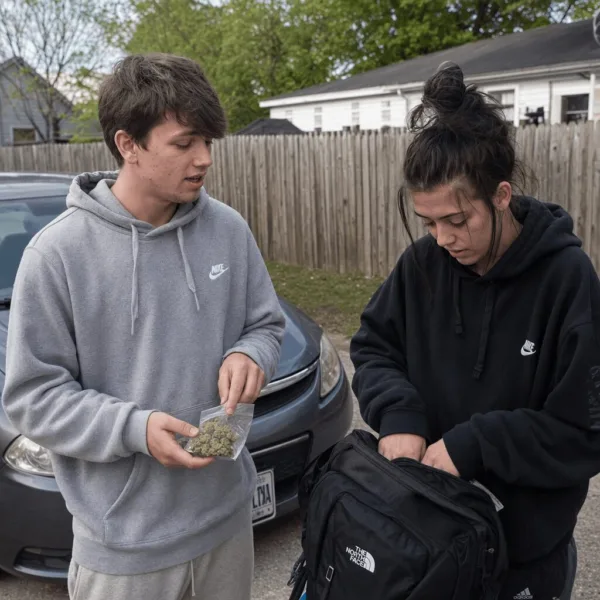
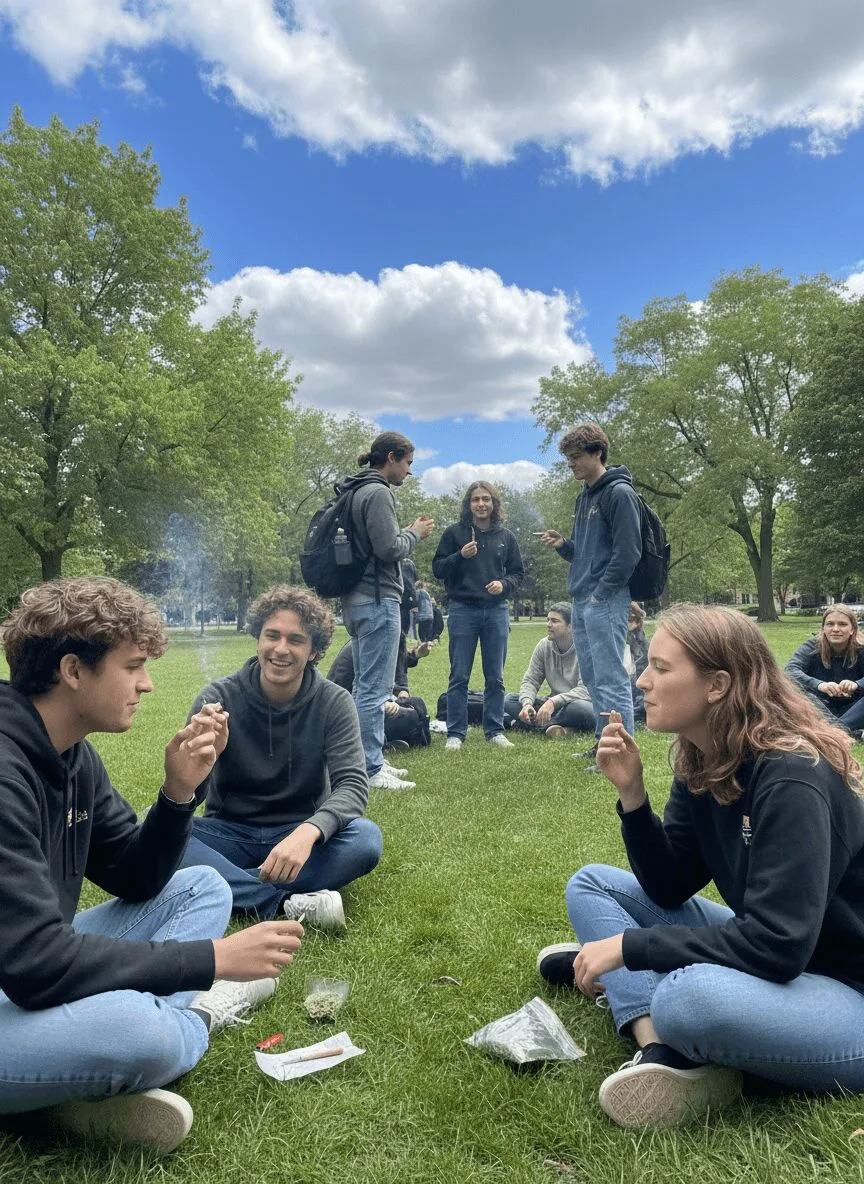
During the 2026 Hash Bash rally, several attendees received Hash Bash marijuana citations, and some were ejected from the University of Michigan campus, according to MLive News. The event, held on April 6, drew thousands of students, activists, and cannabis supporters. Yet, despite legalization across Michigan, federal laws and campus rules made it illegal for anyone—regardless of age—to possess or use cannabis on school grounds.
University police confirmed that multiple citations for possession and use were issued. Reports from Detroit Free Press corroborate this increased enforcement, noting an uptick in ejections from the Diag area and a visible police presence. Some citations even resulted in formal trespassing warnings, which affected student campus access. For more on institutional actions following similar local events, explore how unexpected disruptions can shake a cannabis community as revealed in a recent incident impacting the central business district.
All of this happened even as debates continue at state and local levels over whether university cannabis prohibitions are out of sync with Michigan’s updated laws. The difference between celebrations in the city and crackdowns on campus continues to draw attention, and Hash Bash marijuana citations remain a source of controversy far beyond Ann Arbor.
Expert Analysis: The Real Impact of Hash Bash Marijuana Citations
To grasp the true impact of these Hash Bash marijuana citations, the perspective from industry professionals makes a real difference. Recent changes in Michigan law have greatly reduced marijuana-related prosecutions and helped normalize use, a trend Leafly’s policy analysis breaks down. As Rick Thompson, a Michigan cannabis journalist and board member at Michigan NORML, explains: “Michigan voters spoke loud and clear on cannabis, it’s time for all institutions to respect the will of the people.” Even so, university administrators are required to comply with federal rules because of funding concerns. As a result, citations focus less on targeting cannabis culture and more on staying in line with overarching law. This creates persistent confusion, especially for students and young adults. For more insight on how shifting campus enforcement adds to misunderstandings for younger people, see how authorities approach teen cannabis concerns in this analysis on teen cannabis busts. With the broader market expanding each year, these conflicts are likely to remain a major topic for future Hash Bash marijuana citations.
Looking Forward: Hope, Hurdles, and the Future of Campus Cannabis
While Hash Bash marijuana citations highlight the bureaucratic tangle still limiting true cannabis freedom, the future looks bright for reform. Regulatory change is slow but steady. According to a recent Pew Research Center study, over 88% of Americans favor some form of legalization, putting public pressure on institutions to adapt. Michigan’s booming legal market continues to normalize cannabis, reduce stigma, and drive creative policy solutions—it’s not just about the party, it’s about progress.
In the end, Hash Bash marijuana citations serve as both a cautionary tale and a rallying cry. For advocates and casual tokers alike, staying informed and engaged will be key as campus, state, and federal cannabis rules evolve. As festivalgoers light up under blue skies next year, the conversation about rights, responsibilities, and reforms will be more relevant—and hopeful—than ever.
Originally reported by: mlive.com


1 Comment
Pingback: Hash Bash protest Michigan: Activists Keep the Spirit Alive