


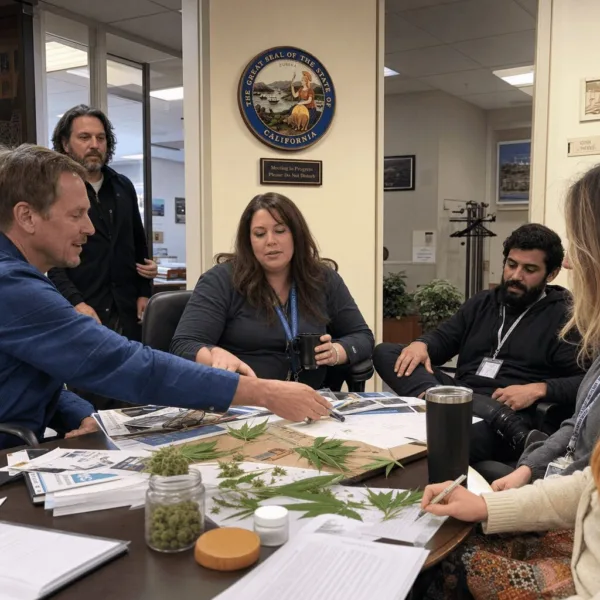



Attorney General Cannabis Rescheduling: How Policy Could Shift
Right now, cannabis reform is all over the headlines, as lawmakers and the public debate next steps for legalization. The conversation around attorney general cannabis rescheduling is heating up, especially as more states push for broader access and major federal agencies slowly shift their stance. Everyone’s wondering: What does a new attorney general mean for cannabis laws, industry investments, and everyday users? Let’s break down the latest moves, rumors, and what it all means for the future of cannabis in America.
The Legal Landscape: Regulatory and Social Context
For decades, cannabis sat stubbornly on the Schedule I list, grouped with drugs like heroin and LSD under the Controlled Substances Act. This classification has made everything, from research to banking, way more difficult than it should be. Public opinion has shifted dramatically though, with recent Pew Research Center polls showing nearly 9 in 10 Americans support at least some form of legalization. Meanwhile, more than half of U.S. states have some form of legal cannabis already. Federal agencies, however, have lagged behind this sea change, keeping businesses and their customers in a risky legal gray zone, as detailed by resources like NORML. Many state-level updates—such as broader public support for cannabis legalization in medical or recreational settings—are also influencing states like Maine, which recently addressed regulatory changes in cannabis product testing requirements. Significant progress depends heavily on leadership at the Department of Justice, particularly the attorney general, who steers prosecution priorities and interprets critical laws. This is why attorney general cannabis rescheduling isn’t just legal jargon, it’s the control panel for future cannabis policy.
Recent Moves: Key Developments & Issues
The spotlight is on the Department of Justice following years of recommendations from health agencies and advocates for dropping cannabis from its most-restrictive classification. Earlier this year, Health and Human Services (HHS) formally urged the DOJ to move cannabis from Schedule I to Schedule III, a change that would ease restrictions on research and reduce penalties for possession. According to Marijuana Moment, the current attorney general’s office responded by opening a public comment period and signaling a willingness to review the latest science. At the same time, state attorneys general from both parties started lobbying the DOJ with mixed recommendations, highlighting divides even within federal circles.
In April 2026, federal prosecutors’ offices circulated internal memos outlining possible approaches, from broad non-enforcement to strict upholding of current laws, should the rescheduling move forward. This created waves among legal dispensaries, advocacy groups, and financial backers. Existing licensed operators in states like California and Illinois began publicly preparing for changes in compliance, tax filings, and even labor agreements, as reported by Leafly News Politics. Business owners are especially focused on the possible changes to taxes and write-offs, as the implications for the IRS 280E burden are significant—see this overview on cannabis tax changes and their business impact. The debate continues over banking access, interstate commerce, and what protections, if any, will be put in place for small operators versus larger, multi-state players. This is the moment where attorney general cannabis rescheduling meets real-world impact.
Expert Take: What Rescheduling Really Means
So, what happens if the DOJ actually pulls the trigger on attorney general cannabis rescheduling? First, let’s keep it real: moving cannabis to Schedule III would finally treat it less like a street drug and more like an actual medicine—think codeine or anabolic steroids. This would ease the IRS 280E tax burden on dispensaries and could open more doors for scientific study, but it wouldn’t mean full legalization or erase every state-level headache overnight.
Industry veterans are watching closely. As Jeronimo De Leon, a widely-cited cannabis policy analyst, told NORML News: “Rescheduling won’t fix everything, but it’s a step out of the shadows and toward normal business practices. We’ve waited decades for changes like these—it’s not just a policy tweak, it’s a cultural signal.”
Market analysts say we should expect major shifts in investment and regulatory activity if this move comes to pass. According to New Frontier Data, legal cannabis sales are projected to top $41 billion by 2025. Beyond commerce, there are also evolving conversations in family and care contexts, such as those surrounding cannabis edibles as part of dementia care strategies. That means more jobs, new research opportunities, and clearer rules for everyone from farmers to entrepreneurs. Still, expect ongoing challenges in harmonizing state and federal rules, banking reform, and, most importantly, making sure equity-focused reforms aren’t forgotten.
The Road Ahead: Progress and Optimism
So, where does this leave us? We’re living through a historic pivot—with attorney general cannabis rescheduling sitting at the center of the action. The Department of Justice has a rare chance to modernize cannabis law, improve research access, and create new economic opportunities while correcting long-standing injustices. The cannabis playing field isn’t perfectly level, but every regulatory nudge, high-profile endorsement, and scientific breakthrough brings us closer. As Marijuana Policy Project notes, federal cannabis reform is now a mainstream priority—reflecting growing social acceptance, smarter public health strategies, and a rising demand for fairness. The future is green, and the journey’s just getting started.
Originally reported by: marijuanamoment.net



1 Comment
Pingback: NC regulated cannabis market: Report urges strict access