



First Nation cannabis protest: Halifax highway blockade shock
The First Nation cannabis protest has erupted onto the national stage, spotlighting a deep conflict over cannabis laws and Indigenous sovereignty. It isn’t just another quick headline—this protest highlights market shifts, legal tensions, and growing calls for fair cannabis policies. Right now, as legalization continues to evolve, the First Nation community is demanding their voice be heard. The highway blockade near Halifax sends a message: Indigenous cannabis rights can’t be sidelined. We’ll dig into what’s at stake, break down the regulatory landscape, and reveal why this action matters for the future of the entire industry.
The Regulatory Roots: Cannabis, Control, and Indigenous Rights
The First Nation cannabis protest didn’t appear out of thin air. The cannabis landscape in Canada is complex, blending federal legalization under the Cannabis Act with provincial regulations, and, crucially, longstanding Indigenous rights over land and commerce. While legalization federally recognized adult-use cannabis, jurisdictional lines remain blurry. For many Indigenous communities, the power to govern their economic activity is not just a moral issue, it’s a matter of recognized legal sovereignty. Yet, disputes persist on whether federal laws or provincial rules apply to on-reserve sales, especially as reported by APTN News and echoed by various Indigenous leaders. With the rapidly growing legal market and recent changes impacting patient care due to cannabis rescheduling, it’s clear why these protests are happening.
Highway Blockade: Unpacking the Facts Behind the Halifax Protest
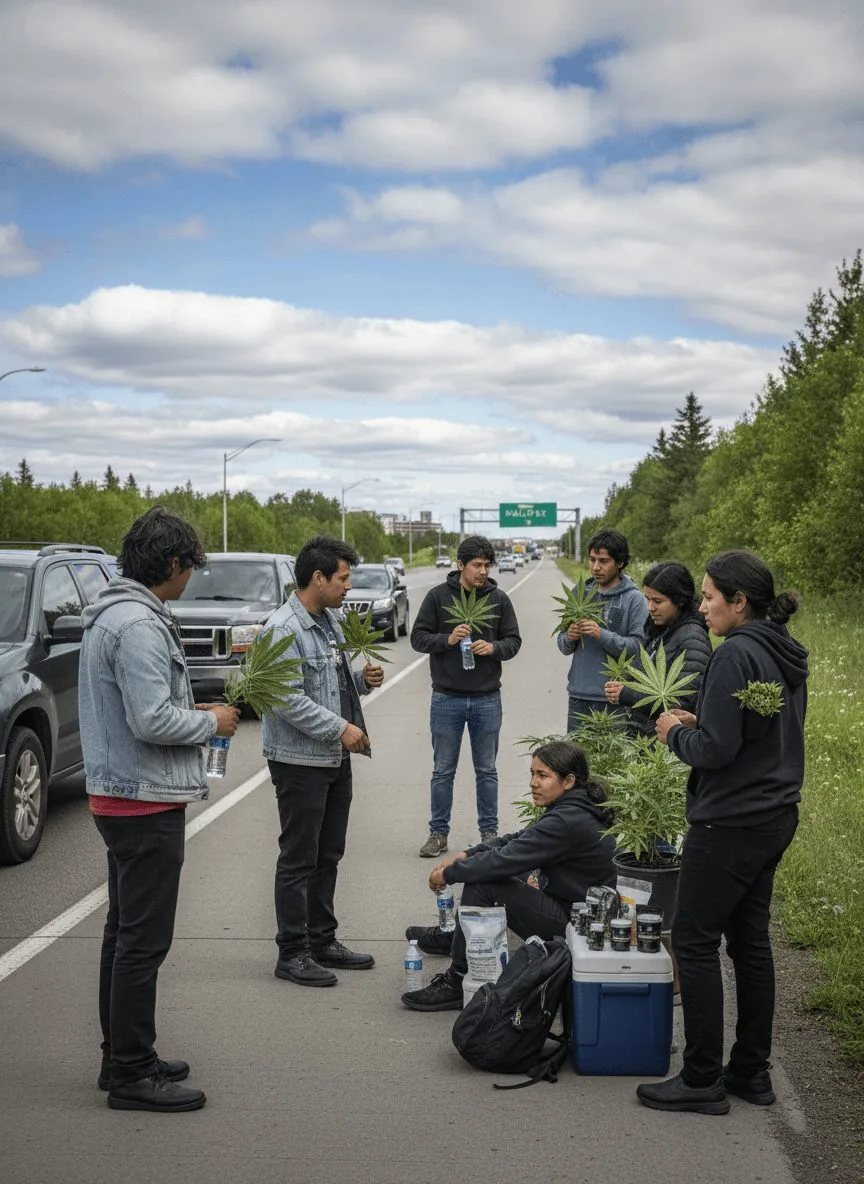
This week, hundreds of vehicles and everyday citizens found themselves gridlocked on a major highway leading into Halifax. The cause? The First Nation cannabis protest, specifically, a coordinated blockade by Indigenous protesters pushing back against a recent cannabis crackdown. According to Coast Reporter, the event was triggered by enforcement actions targeting unlicensed cannabis stores operated by First Nations entrepreneurs. Several adult and youth protesters, bearing cannabis plants and products, calmly staked their claim near parked vehicles, effectively halting traffic and making national headlines on June 19, 2024. Their demands? Recognition of Indigenous control over cannabis sales and an end to what they call discriminatory crackdowns. Recent debates about how local communities are impacted by cannabis revenue distribution highlight just how broad the ripple effects—social, legal, and economic—can be. Provincial law enforcement and regulatory officials cite public safety and compliance as their primary concerns, but protest leaders maintain the real issue is a lack of meaningful self-determination agreements. The protest was peaceful, and no major injuries or arrests were reported. Still, the consequences are echoing far beyond the highway shoulder.
Unfiltered Insights: What the First Nation Cannabis Protest Means Now
This First Nation cannabis protest isn’t just a local spat, it’s an industry-wide wake-up call. Indigenous business leaders have long argued that cannabis represents both reclamation and real opportunity. According to MJBizDaily, one prominent Indigenous entrepreneur explained, “Our communities want to build prosperity on our own terms—not just be bystanders in the new cannabis economy.” The visible standoff near Halifax typifies larger battles brewing in other provinces, where Indigenous-run dispensaries have seen conflicting messages from regulators, legal threats, and, at times, tacit tolerance. Other regions are experiencing similar regulatory struggles—such as those faced in states with evolving medical marijuana legislation. The broader cannabis industry is grappling with similar challenges, including market saturation, corporate consolidation, price wars, and shifting consumer attitudes. Still, as Indigenous voices amplify calls for autonomy, industry experts say ignoring these protests could undercut the social justice narrative that once powered legalization in the first place. In short, if regulators cannot work with Indigenous leaders, the credibility of the legal market is at risk.
The Road Ahead: Growth, Reform, and Indigenous Inclusion
The First Nation cannabis protest on Halifax’s doorstep is more than a local disruption—it’s a turning point in Canada’s cannabis journey. As legal reforms keep unfolding and social perceptions shift, Indigenous entrepreneurs are poised to play a bigger, bolder role. Many industry analysts, including those cited by Cannabis Business Times, affirm that solutions must center Indigenous perspectives for real progress. Regulatory clarity, equitable access, and mutual respect aren’t just ideals—they’re the keys to unlocking cannabis’s full potential for everyone. The big picture? Expect more dialogue, stronger partnerships, and a greener, more inclusive future as the dust settles after Halifax. The First Nation cannabis protest is just the beginning of a new wave of advocacy and change.
Originally reported by: coastreporter.net
1 Comment
Pingback: Cannabis Tax Revenue Distribution: Where Is the Money Going?