




Madison marijuana sentencing: shocking outcome revealed
The cannabis world is buzzing about the latest Madison marijuana sentencing, a development that highlights brewing tensions in the Midwest’s shifting legal landscape. With so many regions modifying their rules around marijuana, and an economy built on an evolving, billion-dollar green market, the outcome of this local case sends ripples far beyond Madison. Here’s what you need to know right now about this headline-grabbing event, why it matters for consumers, advocates, and industry insiders alike, and what it signals for the future of legalization in Wisconsin.
Regulatory Landscape and Legal Backdrop in Madison
Wisconsin is one of the starker contrasts in America’s patchwork cannabis laws. While neighboring states like Illinois and Michigan have embraced full legalization, ushering in thriving dispensaries and tax revenue, Wisconsin continues to uphold strict penalties for marijuana use and distribution, according to NORML. As recently as 2023, despite mounting public support for reform, lawmakers have been slow to act. For residents of Madison, this means that any marijuana offense—possession, cultivation, or distribution—remains risky with significant legal consequences. The Madison marijuana sentencing in question is rooted in this climate, where outdated rules and progressive attitudes collide. Local authorities often cite the longstanding Controlled Substances Act, while advocates and new market entrants point to changing social norms, shifting public opinion, and the growing recognition of cannabis’ economic impact as reported by MJBizDaily. With over 60% of Wisconsin residents now favoring legalization, according to Marquette Law School polls, the stakes around every sentencing are higher than ever. This ongoing debate about marijuana laws in the Midwest also mirrors regulatory tensions seen in other states, like Texas, where small cannabis businesses navigate new legal hurdles and highlight the evolving complexities of U.S. cannabis policy.
The Madison Marijuana Sentencing: Core Facts & Recent Events
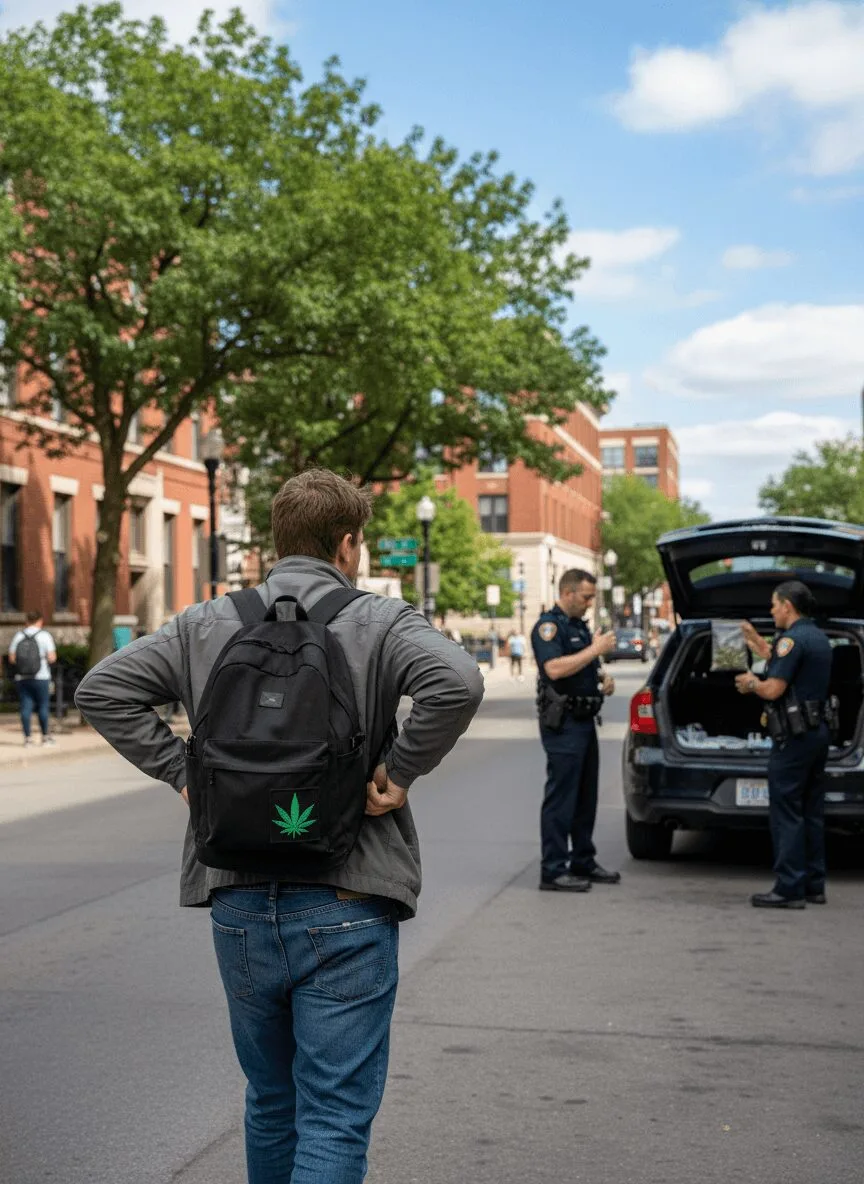
On April 25, 2024, the U.S. District Court for the Western District of Wisconsin issued a pivotal ruling: a Madison man was sentenced to three years in federal prison for his role in a marijuana trafficking operation. According to official legal filings by the U.S. Department of Justice, the defendant was found guilty of distributing large quantities of marijuana across state lines. Federal prosecutors argued the scale of the operation, combined with intent to distribute, warranted a significant sentence to ‘send a message’ to would-be offenders. The man, who had no violent history or previous felonies, was arrested in Madison during a street police operation where officers seized cannabis packaged for sale, cash, and digital evidence. The case has captured national attention, with industry watchers debating whether such harsh federal sentences are in step with the wider push toward decriminalization. In contrast, similar trafficking cases in legal markets often result in far less punitive outcomes, but under current Wisconsin law, this Madison marijuana sentencing stands among the most severe in recent years. This stark contrast has parallels in Europe, where the German cannabis legalisation debate splits experts and reveals how enforcement and sentencing vary globally.
Expert Analysis, Industry Trends, and Pro-Cannabis Counterpoints
This Madison marijuana sentencing isn’t happening in a vacuum, it’s a glaring example of the chaos created by inconsistent state and federal policies. While legal dispensaries rake in billions across state lines, Wisconsin continues to funnel non-violent offenders into prison at disproportionate rates. As Leafly observed, ‘Federal and state law conflict does more than confuse consumers, it destroys lives and stalls progress.’
According to Cannabis Law Report and a chorus of social justice advocates, policies that mandate prison time for cannabis-related crimes ignore overwhelming evidence pointing to both the medicinal benefits of marijuana and its lower risk profile compared to legal substances like alcohol and tobacco. Industry leaders argue that keeping such laws on the books only prolongs the clashing cultural attitudes around cannabis. Economist Alex Thompson told Cannabis Business Executive, “Cases like the latest Madison marijuana sentencing are a cautionary tale: we can’t punish people for participating in the same economy our rivals profit from legally. If anything, this underscores the urgent need for Wisconsin to modernize.” A broader look at legalization efforts elsewhere shows the varied impact: for example, New York neighborhoods are already experiencing rapid change due to legalization, which amplifies calls for Wisconsin and similar states to reconsider punitive approaches. Importantly, the American Civil Liberties Union has highlighted vast racial and economic disparities in marijuana enforcement, further fueling demands for reform.
Outlook for Madison Marijuana Sentencing and Where Wisconsin Goes Next
As the dust settles from this Madison marijuana sentencing, the cannabis industry and advocacy groups are doubling down on calls for reform. There’s optimism in the air: many point to neighboring states’ success stories as proof positive that legalization can bring positive change. Investments in social equity, criminal justice reform, and responsible industry regulation are all on the horizon. According to Forbes, “Legislative momentum is building across the Midwest, and Wisconsin’s next chapter may be closer than most think.” Until then, the Madison marijuana sentencing stands as both a warning and an urgent call to action for policymakers and the wider community. For now, the hope is that smarter cannabis laws and a fairer justice system are finally on the horizon for Wisconsin’s capital and beyond.
Originally reported by: justice.gov


1 Comment
Pingback: Nebraska medical cannabis law: Legislature finally acts