



Texas hemp product ban: What It Means for the Industry
If you’re following the cannabis market, it’s impossible to ignore the Texas hemp product ban currently shaking up headlines. With Texas lawmakers enacting sweeping new restrictions on hemp-derived products, everyone from local shop owners to consumers is feeling the strain. This isn’t just another policy headline—the Texas hemp product ban is already rattling shelves, sparking legal fights, and starting conversations throughout the entire industry. In this update, we break down exactly what’s at stake, who’s impacted, and how this ban could shape the Lone Star State’s—and America’s—hemp future.
The Roots: Understanding Texas Hemp Policy and the National Landscape
Let’s take a step back, the journey of hemp and cannabis law in Texas has never been a mellow ride. After the 2018 U.S. Farm Bill legalized hemp federally, provided it stays below 0.3% THC, Texas jumped on board by passing its own hemp laws. However, Texas, known for tough stances, always carried a stricter vibe compared to places such as Colorado or Oregon. Recent years saw an explosion in hemp-derived products, especially Delta-8 THC and CBD oils, drawing flocks of entrepreneurs to the scene. At the same time, the surge in new product types and the resulting complexity mirrors what was seen in other states, including controversial enforcement actions like the major South Carolina THC raids. But Texas’s regulatory patchwork left plenty of grey areas and often put consumers and sellers in a state of constant uncertainty. According to MJBizDaily, Texas lawmakers have voiced ongoing concerns about youth access, product safety, and enforcement challenges. This tension, between hemp’s booming popularity and regulatory wariness, has set the stage for the latest Texas hemp product ban, which now puts major industry trends and small businesses straight in the spotlight.
Key Developments: Inside the Texas Hemp Product Ban
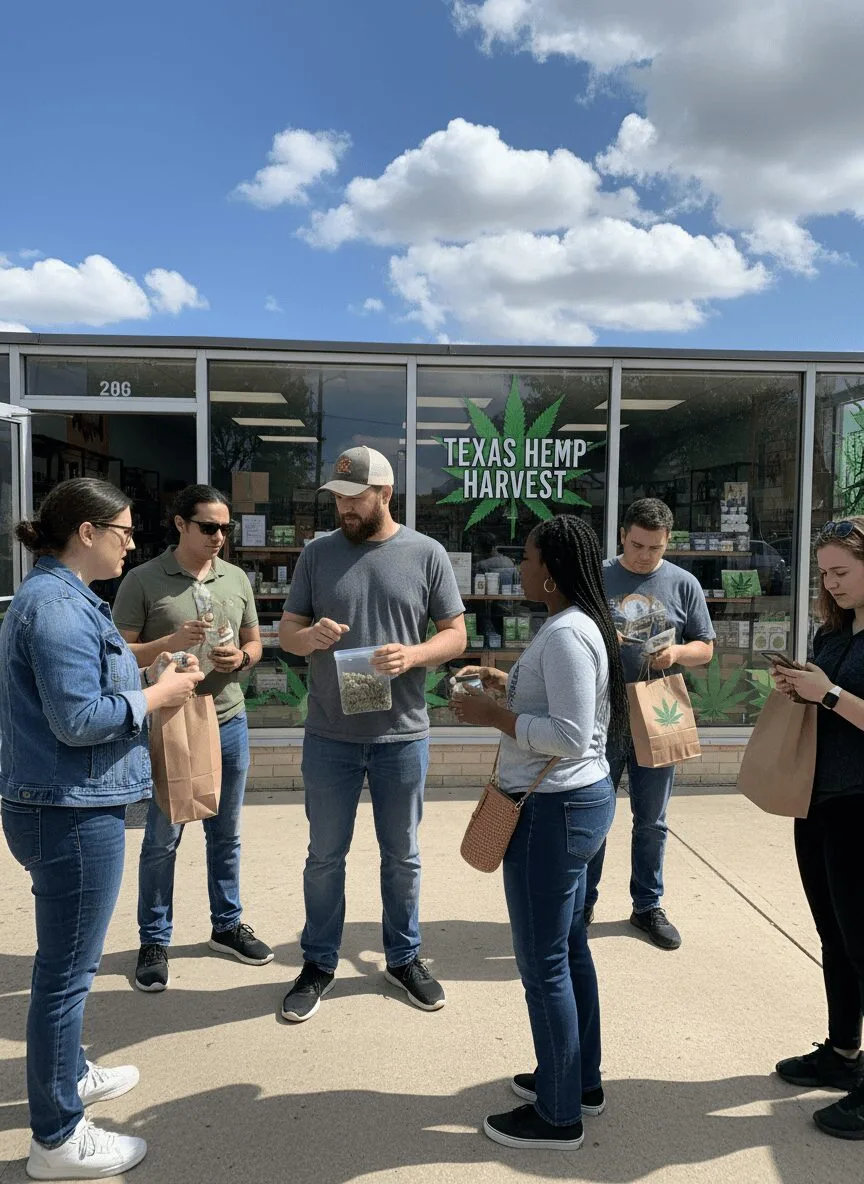
On March 27, 2026, news broke that the Texas hemp product ban would take effect the following week, blasting through industry news cycles (source: KBTX). The new rules target almost all consumable products containing synthetic cannabinoids as well as certain hemp extracts, including popular Delta-8 and Delta-10 THC edibles, vapes, and tinctures. Retailers from Austin to Houston were only given days to react. Major Texas-based chains and dozens of local dispensaries scrambled to pull affected stock, facing threats of heavy penalties and state inspections. Several companies, including respected players like Grassroots Harvest, voiced concerns about sudden inventory losses. This disruption reflects similar compliance pressures experienced by shop owners elsewhere, such as those recently documented in the Missouri hemp retailer crackdown. Meanwhile, consumer advocacy groups launched rapid-response campaigns and threatened legal action to challenge the ban’s constitutional basis. According to coverage from The Texas Tribune, lawsuits argue that the new rules go beyond the spirit of the 2018 federal law, putting Texas on a collision course with national cannabis trends. As enforcement units prepared for surprise inspections, many stores saw customers flock in for ‘last-chance buys,’ sparking further confusion and economic anxiety.
Expert Analysis & Pro-Cannabis Perspective: The Real Impact and What’s Next
This Texas hemp product ban is more than paperwork, it’s an existential shake-up. First, the crackdown risks sending a multi-million-dollar local industry into freefall. According to Hemp Industry Daily, Texas had one of the fastest-growing hemp markets before the ban. Now, with restrictions blanketing entire product categories overnight, advocates worry about an unregulated black market boom and the loss of legitimate tax revenue, a situation not unlike those highlighted in cases such as the Kansas smoke shop THC raids. As industry consultant and activist Dr. Rachel Knox put it in a Marijuana Moment interview, “Sweeping bans don’t address public health, they just push consumers toward unsafe, unregulated sources and undermine legal businesses who want to do things right.” Retailers are also left in limbo, while Texas consumers, many of whom use these products for health and wellness, suddenly face dwindling choices. Meanwhile, the Texas hemp product ban has reignited national debates about state versus federal law, echoing larger regulatory battles outlined in recent resources such as the State Cannabis Regulatory Survey. Most industry watchers expect hard-fought legal battles and plenty of headline drama. But, as Leafly’s policy team notes, “Every crackdown sparks fresh activism and market innovation, hemp always finds a way back.”
Looking Forward: Resilience in the Face of the Texas Hemp Product Ban
The Texas hemp product ban may have thrown a wrench in the industry, but it’s also fueling new resolve. History shows that bans often ignite advocacy, creativity, and rapid legal evolution. As Texas heads for the courts, collaboration between businesses, lawmakers, and public health advocates will be critical. The cannabis sector in Texas is far from giving up—expect more product transparency, better consumer protections, and fresh legal strategies. As NORML reminds us, major state battles often lead to national progress for cannabis rights. For now, stay tuned and stay engaged—because the story of Texas hemp is nowhere near done growing.
Originally reported by: kbtx.com
1 Comment
Pingback: OC cannabis legalization opinion: Must-read community outlook