

Virginia hemp THC law: How A Legal Shift Shook The Industry
The Virginia hemp THC law has just flipped the script on the state’s entire cannabis game. New rules are changing how businesses operate, forcing owners to rethink how they sell, grow, and even talk about hemp-derived products. With lawmakers rewriting what’s allowed—and what’ll get you in hot water—businesses and consumers alike are on edge. This new legal landscape isn’t just a blip; it’s a perfect storm that everyone in the industry needs to understand, now. In this breakdown, we’ll cut through the noise and get into what’s happening, why it matters, and where things could go from here.
How Did We Get Here? Context Behind the Virginia Hemp THC Law
The Virginia hemp THC law didn’t happen in a vacuum. The background is a patchwork of federal changes, market forces, and state-level politics. The 2018 U.S. Farm Bill federally legalized hemp with less than 0.3% delta-9 THC, sparking a green rush in states like Virginia and spurring major regulatory debates. For a while, hemp CBD, delta-8, and similar derivatives were everywhere—on store shelves, in gas stations, and in boutiques. But this surge brought concerns: law enforcement raised safety issues and flagged youth access to high-THC edibles, while advocates focused on the need for product quality and regulatory clarity. As the market grew more chaotic, Virginia lawmakers sought stronger oversight and stricter amendments. The result is the current Virginia hemp THC law—a blend of policy goals and complicated on-the-ground realities that leave businesses and consumers in limbo. If you’re intrigued by the legislative landscape influencing these changes, learn more about ongoing efforts and optimism in Virginia cannabis legislation progress. For deeper regulatory histories, sources such as NORML and Marijuana Moment have documented every twist and turn.
Key Developments: What the New Virginia Hemp THC Law Really Means
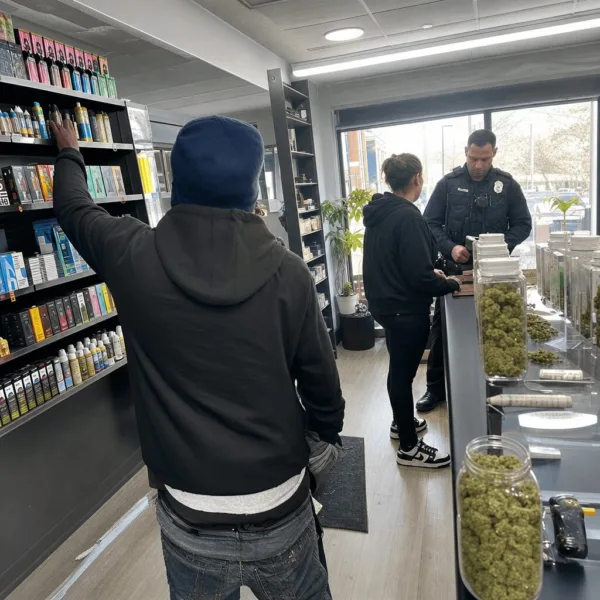
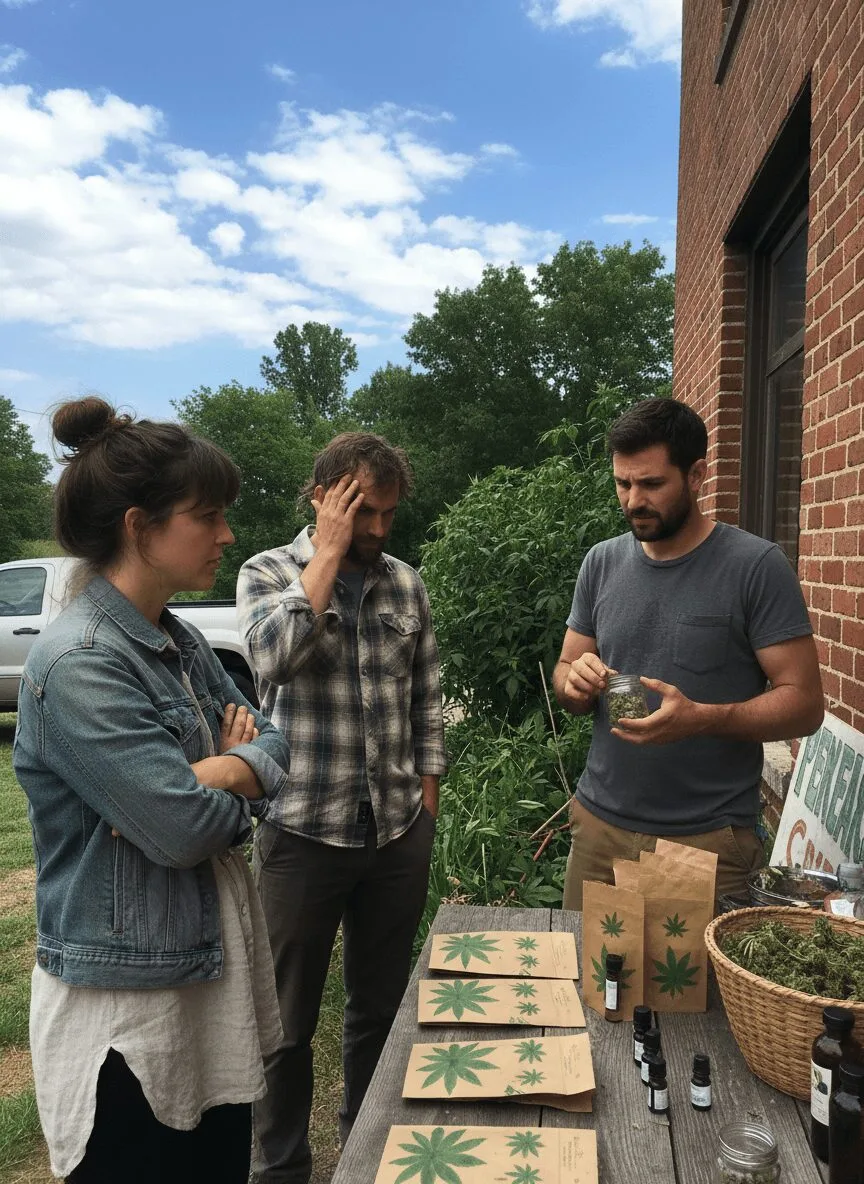
In 2023, the Virginia hemp THC law drew a bold new line between compliant products and those now prohibited. The state implemented a strict 2mg THC per package limit on edibles and beverages, affecting everything from gummies and drinks to tinctures—these products entered legal limbo unless they complied with the new requirements. Compounding the challenge, a 25:1 CBD-to-THC ratio is now mandatory for most consumable products, knocking countless items off shelves almost overnight. Enforcement ramped up on July 1, 2023: small businesses—including established Virginia brands like Colorpoint and those highlighted by Cardinal News—have faced an urgent need to adapt or risk closure. Reporting from Richmond.com details how many shop owners lost vital inventory and loyal customers. The crackdown is serious, with both the Attorney General and Department of Agriculture conducting inspections and issuing legal warnings. Retailers caught selling noncompliant products now risk civil penalties or even criminal prosecution, according to Virginia statutes. This changing legal landscape has spurred fresh legal challenges and calls for reform. Navigating these requirements is critical for anyone working in the sector—if you’re seeking practical steps for compliance, you might find this guide to Virginia cannabis business registration especially helpful.
Expert Takes: Deep Analysis & a Pro-Cannabis Perspective
If you’ve been part of this industry, the move toward stricter limits isn’t entirely new—it’s simply much more urgent now. The Virginia hemp THC law is in the spotlight for canna-preneurs across the state, and the implications run deep. As Erik Altieri, executive director of NORML, puts it: “This isn’t just about public safety, it’s about letting mature markets thrive while protecting responsible business. Blanket bans and arbitrary ratios risk driving the industry underground, hurting those trying to play by the rules.” Analysts concur that safety matters, but reactionary rules often pinch small businesses the hardest, amplifying confusion and market turbulence. Industry legal experts interviewed by Marijuana Moment observe that the new regulations establish tougher barriers to entry, favoring large-scale operators over local businesses. With increasing consumer awareness about the difference between hemp-derived cannabinoids and traditional cannabis, the region is gradually moving toward clear, science-driven rules. If you’re curious how these shifts compare to trends elsewhere—and how enforcement is playing out in other states—explore recent hemp industry rule changes in 2024 for further context.
What’s Next? Hope & Evolution in Virginia’s Cannabis Scene
Despite the turbulence from the Virginia hemp THC law, the state’s cannabis industry is far from finished. If anything, these legal shakeups put a spotlight on just how much people care—about safety, access, and personal freedom. National data from New Frontier Data indicates steady consumer support for reliable, regulated cannabis markets, even when the path is bumpy. Industry insiders see a future where Virginia finds its regulatory groove, allowing both innovation and safety to flourish. The road may be rough, but growers, retailers, and advocates aren’t giving up the fight. Virginia hemp THC law debates are likely to fuel smarter, fairer cannabis rules—benefiting everyone from patients to entrepreneurs and curious newcomers. So, whether you’re in the business or just watching the drama unfold, stay tuned. The next evolution is always just around the corner.
Originally reported by: cardinalnews.org