
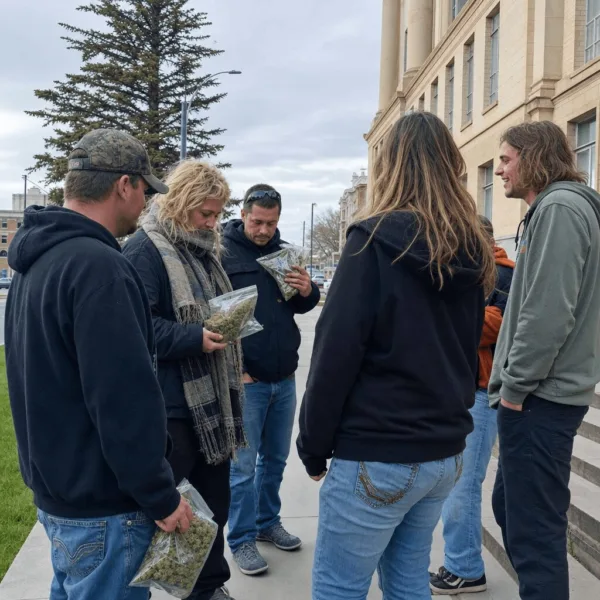





Corrections Officer Marijuana Distribution Shocking Scandal
Stories about the corrections officer marijuana distribution scandal aren’t just making headlines—they’re fueling an urgent conversation about integrity inside our justice system. As cannabis laws rapidly change across the U.S., every criminal justice mishap tied to marijuana draws intense public scrutiny. This latest case exposes how blurred lines and legal gray areas can breed temptation even in supposedly secure environments. We break down what really happened, why it matters, and how it fits into the bigger picture of evolving cannabis culture, public policy, and correctional operations.
Background: Shifting Cannabis Laws & Corrections Industry Pressure
The corrections officer marijuana distribution story spotlights a bigger reality: America’s cannabis laws are in major flux. While a majority of states have legalized medical or recreational marijuana, federal law still classifies cannabis as a Schedule I substance (DEA official resource), and the ongoing push for regulatory clarity has created friction in border regions and sparked new legal challenges, much like recent developments around smokeable hemp bans in Texas. Simultaneously, prison overcrowding, staff shortages, and low pay have put unprecedented pressure on correctional officers, sometimes nudging a few toward risky, illicit behavior. Security gaps persist even as facilities adapt to changing enforcement priorities, as noted by the Prison Policy Initiative. This tricky environment sets the stage for cases like the recent corrections officer marijuana distribution incident in South Carolina.
Key Developments: The South Carolina Corrections Officer Marijuana Distribution Scandal
This week, authorities confirmed an ongoing investigation involving a former Darlington County corrections officer accused of corrections officer marijuana distribution. According to WPDE News, the officer was charged after allegedly attempting to distribute marijuana while on duty. Investigators discovered several small bags of cannabis and evidence of attempted delivery to incarcerated individuals, echoing broader incidents nationwide where firearms, drugs, and contraband disrupt public trust, as seen when authorities recently seized dozens of firearms connected to marijuana distribution rings. The defendant, whose name is withheld pending trial, faces multiple drug-related felony charges; prosecutors cite possible conspiracy due to suspected collaboration within the facility. As of publication, the officer is no longer employed, and Darlington County Sheriff’s Office continues its probe, hinting at potential additional arrests or security reviews. Legal filings show the next court date set for later this summer, underscoring how seriously local authorities are treating the case and its potential ripple effects on institutional trust.
Insights: What the Case Means for Cannabis and Criminal Justice Reform
From a cannabis industry perspective, the corrections officer marijuana distribution incident is a classic example of what can go wrong when outdated policies lag behind public demand and market realities. Legal expert and cannabis rights advocate Dr. Ethan Russo remarked to Leafly, “When prohibition policies clash with economic survival, you get black markets—even among trusted professionals.” It’s a reminder that punitive mindsets around cannabis often create more problems than they solve, especially inside correctional systems that are already under-resourced. This also resonates with recent pushes in certain states to roll back or revise existing recreational marijuana laws, underlining the complex interplay between public opinion and legal enforcement, such as the ongoing movements by some states to reconsider or repeal recreational cannabis regulation. Industry trend reports by New Frontier Data show continued demand for safe, regulated cannabis products, demonstrating how contraband thrives best where legal access and clarity are weakest. This situation underscores an urgent need for reform, transparency, and education, not just across the industry, but inside security and justice professions as well.
Looking Ahead: Progress and Lessons for Corrections & Cannabis Policy
The corrections officer marijuana distribution case should be a wakeup call: patchwork legal approaches and harsh enforcement aren’t sustainable solutions. As more states rework their cannabis regulations—see examples from California’s regulator and Illinois—institutions must adapt, train, and update both policy and workplace culture. While the story is a reminder that vigilance is still needed, it also proves the cannabis industry is making enough waves to force long-overdue reform. The public’s attitude continues to shift toward safe, fair, and consistent cannabis access, validated by polling from sources like Pew Research. That’s a hopeful sign for advocates, professionals, and responsible consumers alike—suggesting that lessons learned here will make for a smarter, more just cannabis future.
Originally reported by: wpde.com


No Comments
Pingback: Indiana cannabis legalization: Is change finally coming?