


South Dakota marijuana market: Border Towns Booming Now
The South Dakota marijuana market is making serious waves, especially along the state’s busy border towns. With shifting state laws, new dispensaries opening, and a flood of curious customers, the local cannabis scene is thriving. This is more than hype—locals and neighboring state residents are shaping the new reality. Recent reports show border communities are cashing in big time. We’ll break down what’s driving the surge, how new laws and businesses play a role, and what it all means for everyday folks seeking access and opportunity in the South Dakota marijuana market.
Understanding the South Dakota Marijuana Market: Legal and Social Backdrop
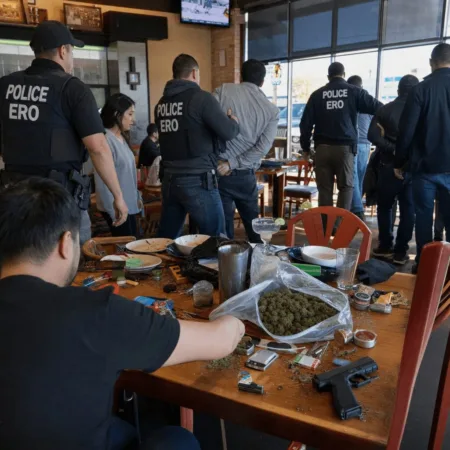
Just a few years ago, the idea of cannabis being openly sold in any South Dakota border town would’ve seemed far-fetched. The state, long known for its conservative approach to marijuana, took a monumental step in November 2020 when medical cannabis was legalized by ballot initiative. Adult-use legalization has been fiercely debated, with advocates pointing to positive impacts in Colorado, Montana, and surrounding states. Border towns like Flandreau, already home to the state’s first tribal-run dispensary, quickly became key marketplaces. According to Marijuana Moment, statewide demand continues to climb as medical marijuana patient numbers rise and neighboring state prohibitions push traffic across the line. Law enforcement has also been on alert, with regional news highlighting how recent marijuana ring busts involving firearms can surface as legal access expands. At the intersection of shifting regulations, entrepreneurial spirit, and evolving attitudes, the South Dakota marijuana market is now a case study in how quickly regional dynamics can change.
Border Town Booms: Dispensaries, Demand, and Recent Developments
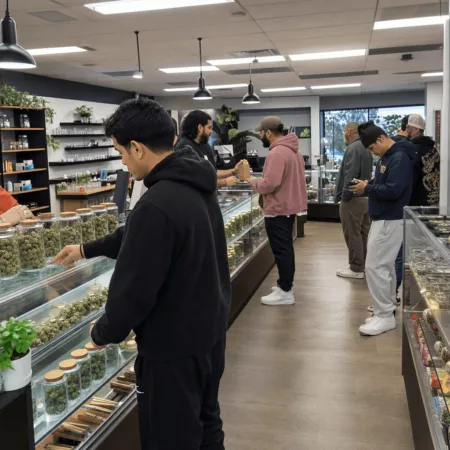
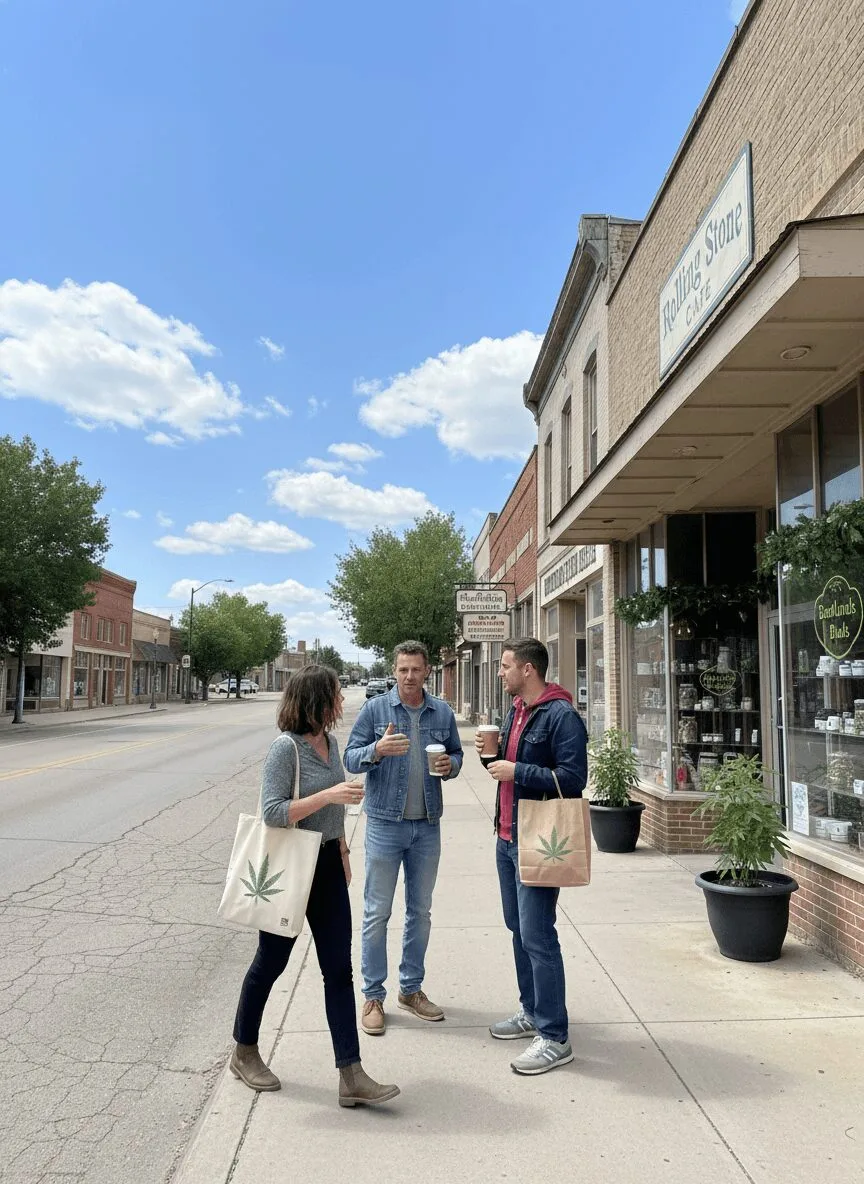
According to Dakota News Now, dispensary storefronts are popping up across South Dakota’s border towns, fueled by a steady stream of out-of-state shoppers and a spike in resident demand. These towns are capitalizing on new state regulations after the South Dakota Department of Health granted more retail licenses. Notably, Flandreau’s Native Nations Cannabis operation saw its revenues jump by nearly 40% in six months, attracting hundreds of customers daily, many from bordering Minnesota and Iowa where recreational use remains restricted. The article highlights a “domino effect” as entrepreneurs and investors rush to secure storefronts. Owners like Sarah Olson of River Run Dispensary cite triple-digit growth since the start of 2024. Customers rave about expanded menus, everything from flower to edibles to tinctures, making South Dakota marijuana market towns a new destination for legal cannabis. Several local officials have hinted that increased tax revenue is funding parks, repairs, and even small business grants. As dispensaries navigate federal restrictions and the complexities of operating with limited banking options, leaders have acknowledged that operating with mostly cash still poses significant risks for cannabis retailers. The influx is real and reshaping Main Street economies for the better.
Expert Analysis: Boon for Business and Community, with Lessons from Beyond
The recent expansion isn’t just about economics, it’s about a cultural shift. Industry insiders point to similar trends in towns bordering legal states like Colorado and Michigan, where cross-border sales have supported rapid local growth. According to Leafly’s jobs report, legal markets create thousands of jobs and bolster local economies within the first two years of operation. Cannabis policy analyst Taylor Rains notes, “Border town dispensaries become magnets for customers, and catalysts for downtown revitalization. The South Dakota marijuana market isn’t just following this trend, it’s accelerating it.” Legal observers from NORML emphasize the importance of regulatory clarity and social responsibility, pointing to South Dakota’s unique ability to learn from both successes and challenges in neighboring states. The diversity of business owners—ranging from native entrepreneurs to veteran retail operators—adds resilience to the sector. Key growth indicators, like increased tax receipts and workforce expansion, are providing measurable benefits without a significant uptick in reported social harms, according to industry tracking from Marijuana Moment. Business advocates in the Midwest also keep an eye on how cannabis laws are evolving, especially as other states reconsider or repeal recreational cannabis laws, hoping South Dakota continues to move forward. Local advocates argue that legal access in border towns reduces black-market activity—a win-win for law enforcement and public health. As market education increases, stigma decreases, and responsible use becomes part of the mainstream narrative.
Future Outlook: Expansion, Legal Evolution, and Community Impact
Looking forward, the South Dakota marijuana market appears poised for sustainable growth. Lawmakers are signaling openness to adult-use legalization, and border towns will continue to play a central role in industry expansion. Trends from states like Missouri and Illinois—where communities saw robust economic improvement after legalization—suggest a strong outlook. Increased funding for local initiatives, more jobs, and improved health outcomes are all within reach as the market matures. As society moves toward wider acceptance, and businesses learn from each phase, the South Dakota marijuana market will be watched—and potentially emulated—by other states navigating their own regulatory paths. For consumers, businesses, and communities, the future is green. Recent coverage from Cannabis Business Times underscores the importance of thoughtful policy, well-implemented education, and ongoing community engagement. With practical regulation and open discussion, South Dakota is evolving from backroads prohibition to Main Street leadership—one border town at a time.
Originally reported by: dakotanewsnow.com