



Cannabis Enforcement Community Funding: County Investment Unveiled
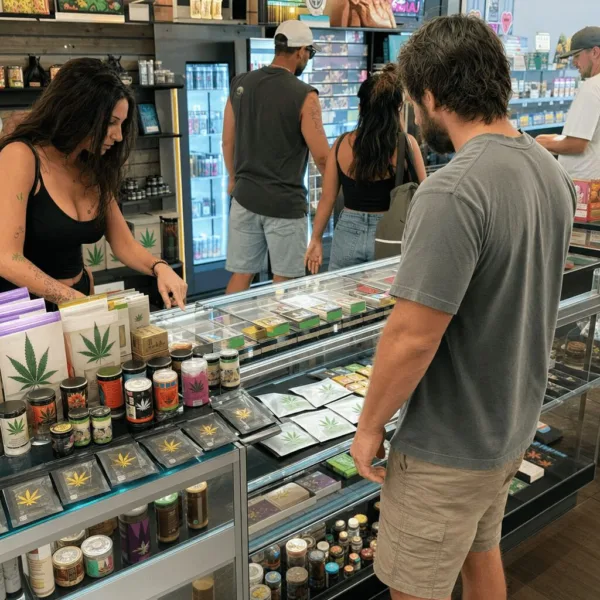
Right now, everyone in the cannabis space is buzzing about cannabis enforcement community funding. Why? Because justice, opportunity, and repair are colliding in policies that directly fuel change for communities hard-hit by the War on Drugs. In light of shifting markets and a national reckoning on cannabis law, direct investments are rolling out to empower neighborhoods that bore the brunt of harsh enforcement. This new wave of community funding has the potential to remodel trust, drive local growth, and rewrite the narrative—proving that where weed goes, real social equity can finally follow.
Why Cannabis Enforcement Community Funding Now? Regulatory, Social Picture
Let’s lay out the roots. For decades, cannabis prohibition disproportionately targeted certain communities, resulting in over-policing, fractured families, and lost economic opportunities. According to the ACLU’s national report, Black Americans are over three times more likely to be arrested for cannabis than white Americans, despite similar usage. With legalization moving like wildfire across states, governments are finally acknowledging, and trying to address, the harm. Social equity is more than talk, a core tenet of policies from coast to coast (see The New York Times’ ongoing coverage). Now, counties and cities are establishing cannabis enforcement community funding programs to funnel money from legal sales, fines, and fees directly into communities historically impacted by strict enforcement. Legal mandates, such as Illinois’ Cannabis Regulation and Tax Act, require direct reinvestment from cannabis revenue into these communities (as covered by Law360). These efforts represent a major regulatory evolution, demonstrating how new policies can translate apology into actionable repair and real-world impact. Notably, some states seeing large tax windfalls are navigating how cannabis tax revenue shapes surrounding state economies, such as how border sales impact Wisconsin’s bottom line.
The County’s Bold Step: Cannabis Enforcement Community Funding in Action
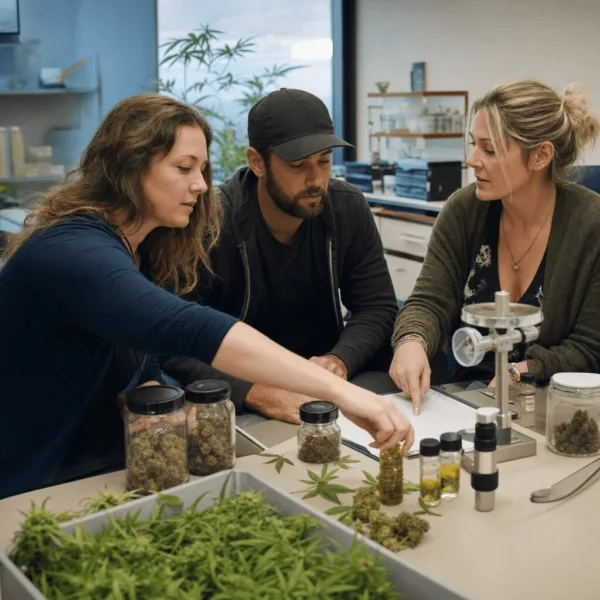
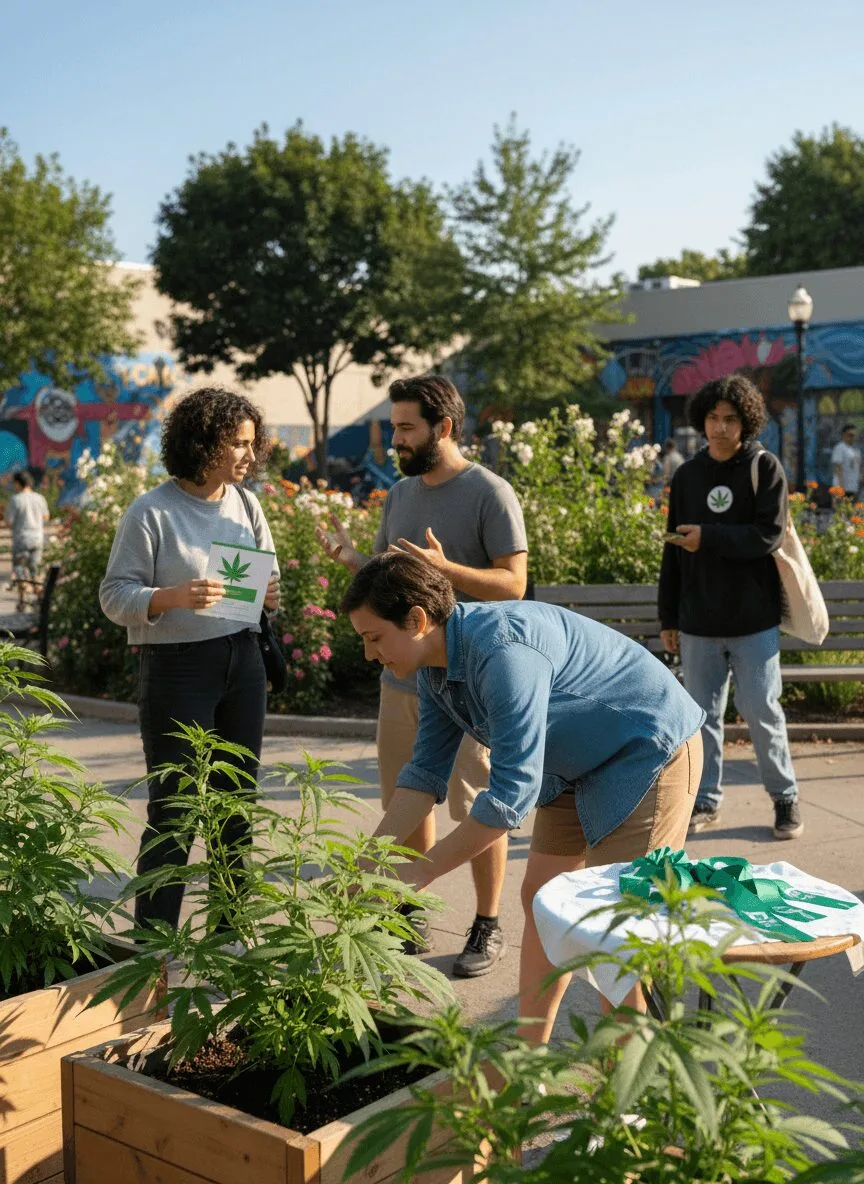
In a game-changing announcement, county officials just confirmed a significant investment package dedicated to cannabis enforcement community funding. According to Avenue News, this initiative earmarks over $1 million for revitalizing neighborhoods hit hardest by cannabis enforcement crackdowns. The package includes grants and support for local nonprofits, workforce development programs, and small business incubators focused on cannabis justice. Starting this summer, the county will distribute funds to programs prioritizing job creation, youth engagement, housing, and substance use support, all critical avenues for long-term success. Efforts around youth substance use and community resilience mirror broader public health discussions, such as how young adult use shapes future health and policy. Notably, the funding will also enhance partnerships with trusted local service organizations such as Community Advocates and the Reentry Impact Coalition. This program stems from direct feedback during multiple listening sessions. County Commissioner Loretta Henley emphasized, “We listened, we heard, and now we’re acting to return opportunity where it’s overdue.” The details echo similar, successful efforts launched in states like California, as chronicled by KQED. Applications for the first round open in July, and a dashboard will help the public track the allocation process. With this transparency focus, advocates and residents alike can ensure real accountability as cannabis enforcement community funding rolls out locally.
Expert Analysis: Cannabis Enforcement Community Funding as the Future of Justice
So, what does all this really mean for the movement? Beyond policies and press releases, these funds are a true litmus test, can the legal industry right some of the historic wrongs? According to industry veteran and social equity champion Shaleen Title, as quoted in Leafly: “Equity isn’t charity—it’s a matter of giving back what’s been taken and letting communities decide their own futures.” This approach recognizes the need for localized solutions; community members know what works, and dedicated funding allows them to build it. Additionally, national data from MJBizDaily shows that equity investment leads to more minority-owned businesses and broader employment gains overall. The shift from enforcement to empowerment is finally underway, cannabis enforcement community funding represents a groundbreaking model that could set new benchmarks for restorative justice, public health, and vibrant economic development. These priorities have parallels with other emerging programs where legalization is set to reshape how local communities access regulated products, such as Virginia’s anticipated move toward cannabis retail. The fact that dollars are distributed transparently and are directly tied to measured outcomes inspires trust rarely seen in public spending. This pivot is one of the boldest experiments in the world of cannabis legislation. As industry analyst Amanda Duran points out: “When the legal market reinvests in communities, it’s more than repair. It’s a renaissance, where healing and growth are finally possible.”
Future Outlook: Community Funding Paves the Way for Cannabis Equity
As the first wave of cannabis enforcement community funding disburses this year, all eyes will be on transparency, effectiveness, and long-term growth. The pioneering moves by counties like this one show how local action is setting powerful precedents for the entire industry. As covered by Marijuana Moment, strong reinvestment in justice-impacted neighborhoods makes legalization truly meaningful. The hope is that these investments will translate to lower recidivism, improved economic mobility, and new pathways for underserved residents to thrive. The cannabis industry, once synonymous with stigma and exclusion, is now leaning into the work of reconciliation. With cannabis enforcement community funding as a guiding principle, we’re looking at a future where legalization uplifts, repairs, and connects. Real talk—these seeds of change have the potential to grow into a movement that’s about more than business. It’s about fairness, hope, and the messy, beautiful business of building trust neighborhood by neighborhood.
Originally reported by: avenuenews.com
1 Comment
Pingback: Psychedelics Clinical Trials Veterans: Utah Breakthrough News