Cannabis Wholesale Revenue Trends: Shocking 2026 Surprises
2026 is lighting up the conversation around cannabis wholesale revenue trends—just not in the way some had hoped. With recent market news, operators and advocates alike are facing new realities in wholesale pricing, inventory slowdowns, and evolving regulations. It’s a moment where everyone needs to both rethink their plans and double down on optimism. In this deep dive, you’ll get a blunt assessment of what these shifts mean, how we got here, and why staying cool under pressure is now more important than ever. Let’s roll through what’s got everyone buzzing about cannabis wholesale revenue trends in 2026.
Understanding the Regulatory, Social, and Market Forces Behind Cannabis Wholesale Revenue Trends
The world of cannabis wholesale revenue trends is driven by a dynamic mix of factors. On the regulatory front, key players like Health Canada tightly oversee inventories, licensing, and quality controls, directly impacting how much product makes its way downstream. Social acceptance climbs with every passing year, especially since adult-use legalization swept through Canada and several U.S. states, unlocking demand and normalizing consumption patterns according to Pew Research. These shifting attitudes generate expansion but also create a crowded, competitive landscape. Market forces are also playing their part, as producers and wholesalers navigate a minefield of taxation, oversupply, undercutting, and strained retail relationships—a reality that has led to the current cannabis industry debt crisis and shake-up impacting operations across North America. Monthly sales and inventory snapshots reflect this complexity, with each province or state following its own playbook. Bottom line, cannabis wholesale revenue trends don’t exist in a vacuum, they’re braided into policy, public opinion, and raw market hustle.
Breaking Down the 2026 Numbers: Major Developments & Issues
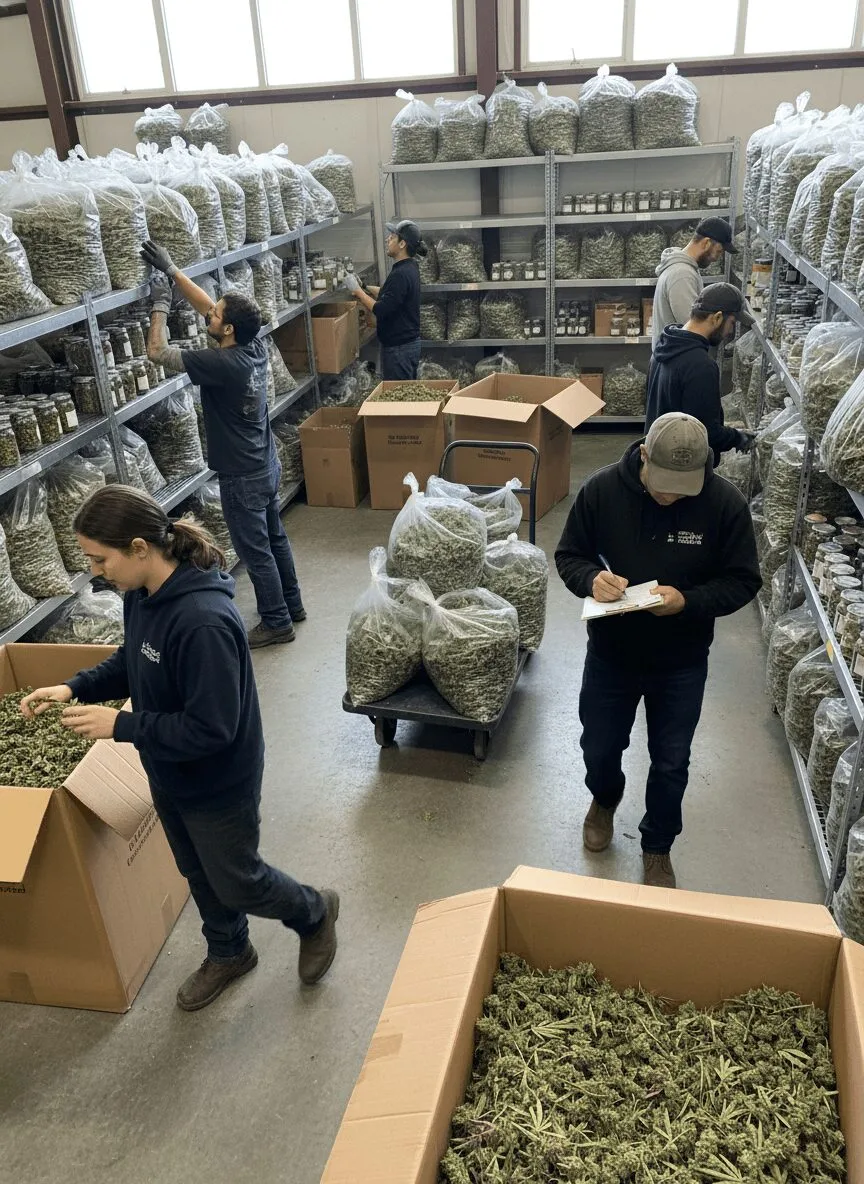
Let’s get into the nitty-gritty. According to recent January 2026 figures, reported by industry mainstay StratCann, Canada’s cannabis wholesale revenue continues to drop, signaling both supply chain friction and overproduction woes. Inventory levels, on the other hand, remain surprisingly steady, suggesting that while sales falter, producers are holding firm rather than panic-selling or slashing output. Licensed producers and provincial distributors are caught in a tough spot. The numbers reflect a pattern seen since late 2024: too much stock, but not enough market firepower to move through it quickly. Major wholesalers like the Ontario Cannabis Store and Alberta Gaming, Liquor & Cannabis continue to report pressure on margins as they juggle provincial regulations and customer expectations. The challenge is further complicated by shifting consumer habits—think: rising demand for edibles and concentrates, with dried flower not moving as briskly as before. Meanwhile, state-level supply issues recall the regulatory changes being tackled in places with medical cannabis rollouts, such as Alabama’s medical marijuana launch, where similar pressures are influencing local markets. While no single company is singled out, big-league players across the board are recalibrating to avoid stockpiling, which can trigger quality losses and forced write-downs. It’s clear that, as of January 2026, the cannabis wholesale revenue trends are anything but a straight path, instead veering through market corrections and unpredictable consumer twists.
Expert Analysis & Real-World Insights: What the 2026 Trends Mean for Cannabis Wholesale Revenue Trends
The current dip in cannabis wholesale revenue trends isn’t just a symbol of oversupply, it’s a wakeup call to producers, distributors, and policymakers. As MJBizDaily observes, “Downturns force the industry to get smarter about quality, consumer loyalty, and sustainable growth.” Many experts agree that these tough times are building resilience. While revenue shortfalls sting, they’re also forcing better inventory management, leaner operations, and new product innovation. Veteran growers know the cyclical nature of this business: “Every industry faces headwinds,” says Deepak Anand, a leading policy analyst quoted regularly by BNN Bloomberg. “Cannabis is no different, what matters is who adapts best when markets tighten.” These wholesale patterns are also teaching regulators that flexible tax, excise, and distribution systems become crucial during downturns, benefiting both public coffers and private operators. With regulations changing in other states, like evolving hemp rules in Texas which affect business owners and impact wholesale strategy, it’s clear that adaptability remains key. Industry insiders highlight that successful companies in 2026 are those with adaptive supply chains, direct communication with retailers, and strong compliance records. In a nutshell, today’s challenges may just be tomorrow’s competitive advantages for operators who can weather the storm.
The Road Ahead: Resilience, Innovation, and Optimism for Cannabis Wholesale Revenue Trends
If you’re feeling rattled by the current cannabis wholesale revenue trends, don’t forget: this is a young, high-volatility sector, and storms like these have a way of cleaning the air. Momentum for regulatory clarity and tax relief continues to gain traction at both provincial and federal levels, as noted in policy discussions summarized by CBC News. Operators are looking beyond mere survival, investing in brand differentiation, vertical integration, and better data analytics to future-proof their business. Consumer demand continues its upward march as stigma fades and new product categories entice broader demographics. The bottom line? Today’s wholesale revenue headaches are part of a necessary adaptation cycle—and those who endure will thrive as cannabis cements itself as a key legal industry. Expect the next few years to bring not just recovery, but a bolder, smarter cannabis supply chain focused on quality, community, and responsible growth. Stay lifted, stay informed, and keep those ambitions high as the cannabis story unfolds.
Originally reported by: stratcann.com