





Alabama medical cannabis cards: Secure Yours Before Dispensaries Open
Big changes are sweeping through Alabama’s medical landscape—and trust me, you don’t want to sleep on it. With dispensaries poised to unlock their doors for the first time, folks across the Heart of Dixie are lining up to claim their Alabama medical cannabis cards. This moment isn’t just about access—it’s about a new path of hope for people who’ve waited years for relief. Whether you’re a patient dealing with chronic pain, a wellness advocate, or just curious about legal cannabis, here’s why now is the time to get informed. Spoiler alert: Alabama’s medical cannabis cards are your ticket to legal, safe, and regulated medicine.
The Regulatory Roots: How Alabama Reached This Milestone
Let’s dial it back for a second. Just a few years ago, the phrase Alabama medical cannabis cards might have sounded like a joke in local circles. Fast forward to now, and thanks to persistent activism, evolving science, and legislative hustle, things are changing fast. The Alabama Medical Cannabis Commission (AMCC) laid the groundwork when the state passed the Darren Wesley ‘Ato’ Hall Compassion Act in 2021. This landmark law set the playbook for patients, doctors, and dispensaries, tightly regulating every step from seed to sale. Alabama didn’t rush this, the rules list seventeen specific conditions that qualify for medical cannabis, prioritizing safety, transparency, and accessibility. According to reporting from the Montgomery Advertiser, the commission set clear boundaries to avoid the wild-west style rollouts seen in other states. This isn’t California or Colorado circa 2010, Alabama’s playing a much slower, more careful game. As in other regulated markets, shifts in enforcement and compliance can spark broad industry debate, similar to how compliance issues and enforcement spark conversations across the cannabis industry.
What’s Happening Now: Patients, Providers, and the Countdown to Opening Day
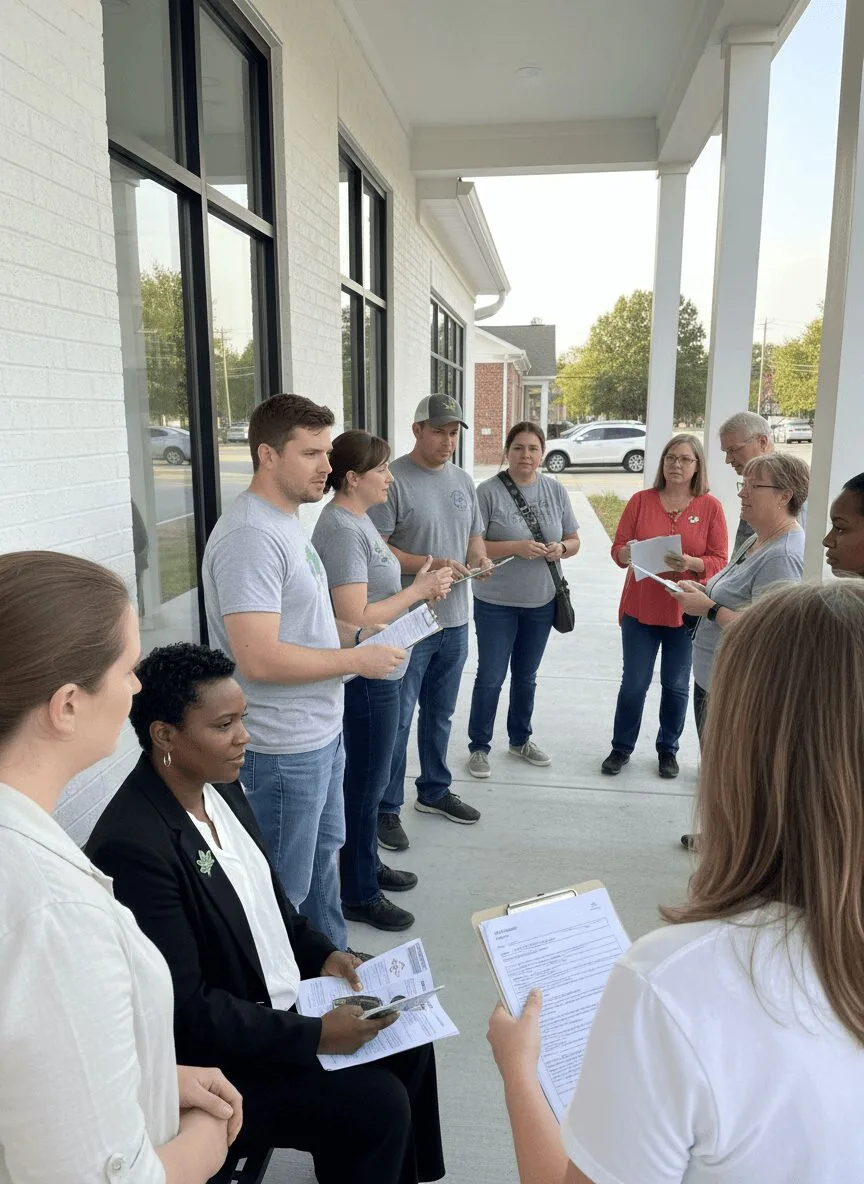
Here’s where it gets good. As covered in RocketCityNow News, patients are already flocking to clinics to secure their Alabama medical cannabis cards even before the first dispensary opens its doors. Demand is high, with doctors and certified providers scrambling to keep up with applications. The AMCC opened its patient registry in May 2024, requiring applicants to present documentation for one of the severe health conditions allowed under law, such as PTSD, intractable pain, or multiple sclerosis. Card applicants must be Alabama residents and, yes, you’ll need an in-person recommendation from a certified physician. As of this week, over 2,000 applications have been logged, according to WFAA. Providers like Trulieve, Verano, and local startup Yellowhammer are on the approved list, prepping their teams and training staff for a projected July 2024 dispensary debut. The process is digital, secure, and tightly regulated, so there are no walk-ins, backdoor deals, or street-corner ambiguity. Criminal penalties for gaming the system remain high—another reminder that law enforcement scrutiny, as seen in similar incidents involving cannabis culture and policing, is unwavering in states managing new cannabis programs.
Industry Insider Insights: What This Means for Alabama, And Beyond
The roll-out of Alabama medical cannabis cards marks more than just a policy shift, it’s a cultural turning point. As cannabis advocate and industry commentator Dr. Brittany Barnett noted in a recent Leafly piece, “Alabama’s slow, structured approach signals to other conservative states that medical cannabis can work for patients, even where skepticism runs deep.” For patients who’ve waited decades for legal access, this is a colossal deal. Experts agree: State-run programs like Alabama’s foster transparency, product safety, and consistent supply, setting a new baseline for medical standards in the Southeast. Yes, there’s cautious optimism, nobody expects every patient’s life to change overnight. But as the NORML team points out, the presence of certified dispensaries and a formal card system drastically reduces risk, stigma, and black-market pressure. The demand for higher-potency options among educated patients signals a shift, just as local markets across the country adapt to what cannabis shoppers want now. For the skeptics: research cited in the JAMA Network shows that well-regulated medical programs lead to lowered opioid use and improved patient outcomes. Even neighboring states are watching closely, eyeing Alabama as the newest case study in southern cannabis pragmatism.
What’s Next? The Future of Alabama Medical Cannabis Cards
So, where are we headed? With Alabama medical cannabis cards finally rolling out, even the most conservative corners of the South are seeing the winds change. This isn’t just a one-and-done launch. As patient numbers climb and dispensaries prove their mettle, expect further updates, expanded conditions, and even more streamlined access. Alabama is already talking about future amendments to ease bottlenecks, learn from the first wave, and ensure fairness for all communities. Leading cannabis industry sources like Marijuana Moment suggest that Alabama’s program could set a new benchmark for southern states still on the fence. It’s an incredibly exciting time—one that comes with responsibility, respect, and big opportunities for patients, providers, and advocates alike. If you’ve been waiting on the sidelines, your moment just arrived. The future for Alabama medical cannabis cards is green—and it’s only getting brighter from here.
Originally reported by: rocketcitynow.com

1 Comment
Pingback: Marijuana DUI Laws: What Mississippi Drivers Must Know