


Texas total THC hemp rules: What You Need To Know Now
The Texas hemp scene just got hit with a wave of regulatory changes—and if you grow, process, or consume hemp in the Lone Star State, you’ll want to keep your eyes peeled. The buzz around Texas total THC hemp rules is louder than ever, as fresh amendments set tighter limits on what counts as legal hemp. As officials update the game plan, industry insiders and casual consumers are bracing for impact. Let’s blaze through what’s changed, what’s at stake, and why this matters now more than ever for Texans and the wider cannabis conversation.
Background: Why the Texas Total THC Hemp Rules Matter
To really get the picture, you’ve got to know where Texas stands in America’s cannabis landscape. When Congress passed the 2018 Farm Bill, according to Congress.gov, industrial hemp became federally legal as long as it stayed under 0.3% delta-9 THC. Texas jumped on the green train in 2019, introducing its own hemp program, making it legal to grow, process, and sell hemp-derived products statewide. For context on how cannabis policy shifts influence new markets, similar regulatory evolution is discussed in this analysis of how state cannabis regulator priorities are driving industry changes. But federal law left a crucial gap: it focused only on delta-9 THC, leaving loopholes for other cannabinoids like delta-8 and THCA. Fast-forward, Texas total THC hemp rules now aim to crack down by including all forms of THC in their testing, not just delta-9. The stakes are high for everyone from family-run farms to major CBD retailers, especially as Texas regulators play catch-up with a rapidly evolving marketplace, one that’s seen a surge in innovation and consumer interest in cannabinoids that skirt old-school definitions. It’s a classic Texas showdown between liberty, public safety, and business interests, a debate closely watched by advocates and lawmakers alike.
Key Developments: What’s New With Texas Total THC Hemp Rules?
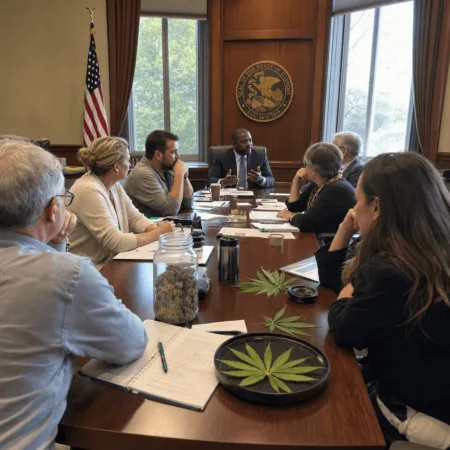
This summer, the Texas Department of State Health Services (DSHS) unveiled new amendments that put the Texas total THC hemp rules front and center. Instead of only measuring delta-9 THC, the state now requires testing that counts every detectable form of THC—delta-8, delta-10, THCA, and more. This rule, announced in May 2024, sets strict limits for what is legally considered hemp: if your flower, oil, or edible tips past the 0.3% total THC threshold, it’s game over, your product is illegal in Texas. The new regulations mirror trends in other areas where regulatory clarity and adaptation are vital, as explored in this piece about municipal marijuana business regulation shifts. The new regs also came with a surprise twist: a licensing fee drop. According to Marijuana Moment, licensing for hemp businesses will be cheaper than first proposed, giving small operators a fighting chance. But make no mistake, enforcement is tightening. The DSHS now has more teeth to inspect and pull products from store shelves. With legal uncertainty swirling, many Texas hemp companies are scrambling to adapt, racing to reformulate, retest, or even rethink their business models in the face of new risks and requirements. This isn’t just a regulatory tweak, it’s a major shakeup that’s already affecting shelves and bottom lines across the state.
Expert Analysis: How Industry Pros See Texas Total THC Hemp Rules
Most industry vets saw this coming. The move to “total THC” puts Texas in step with other conservative-leaning states that want to clamp down on intoxicating hemp products. But here’s the twist, many argue the crackdown could squeeze both innovation and small business growth, even as public health remains a priority. Supporting the broader conversation about cannabis product impact, recent reviews of cannabis and mental health highlight ongoing debates. Mick Vann, a seasoned hemp grower and board member of the Texas Hemp Coalition, told The Texas Tribune, “Producers are ready to meet the safest standards, but the rules need to be fair and realistic, or we’re just hurting Texas businesses and farmers.” From an advocate’s lens, what Texas does next sets the tone for the Southern cannabis industry. The debate is about more than just numbers on a lab report; it’s about economic opportunity, consumer protection, and social equity. Legal experts point out that patchwork state rules create confusion and can unfairly penalize small operators. At the same time, there’s an upside: stricter testing clears the path for products that earn real consumer trust, and the lower licensing fees could drive a new wave of small, compliant startups. Texas total THC hemp rules now stand at the intersection of public debate, industry innovation, and regulatory evolution.
The Road Ahead: What Texas Total THC Hemp Rules Mean for the Future
The only guarantee in hemp? Change is constant. Texas’ new total THC rules mark a turning point, but the story’s far from over. Advocates think a smarter, science-backed approach is possible—one that protects consumers while fueling local business. If recent trends in states like Colorado and Oregon are any guide, as Leafly reports, evolving regulations can actually spark industry growth, foster better products, and drive wider acceptance.
Optimists in the Texas market see a chance to professionalize, educate, and innovate, setting stronger standards for legal hemp—and maybe, just maybe, paving the path for smarter, fairer cannabis rules down the line. Whether you’re a grower, retailer, advocate, or just canna-curious, one thing’s clear: with Texas total THC hemp rules officially in play, we’re all along for the ride as Texas writes its next chapter in cannabis history.
Originally reported by: marijuanamoment.net
1 Comment
Pingback: Texas hemp THC limits: What You Need to Know Now