




Covington marijuana decriminalization vote stirs controversy
The Covington marijuana decriminalization vote has become a lightning rod for debate, highlighting ongoing shifts in drug policy across the nation. With local leaders recently deciding on whether to ease penalties for small-scale cannabis possession, residents, advocates, and critics are all voicing strong opinions. This pivotal decision comes amid a wave of decriminalization efforts and changing social attitudes, making Covington’s stance especially relevant in today’s rapidly evolving regulatory landscape. In this article, we’ll dig into the dynamics, context, and impact of the Covington marijuana decriminalization vote—offering broad perspective on what it all means for the city, Georgia, and the greater cannabis movement.
Background: Decriminalization, Georgia Policy, and Community Perspectives
The Covington marijuana decriminalization vote is nestled within a complex web of legal and social factors unique to Georgia. Statewide, marijuana remains illegal under both state and federal law, with GPB News reporting only limited medical cannabis access for a narrow list of conditions. Despite this, several Georgia municipalities, including Atlanta, Savannah, and Clarkston, have successfully pushed for decriminalization, usually reducing penalties for the possession of less than an ounce. This shift has been cheered by advocates seeking to reduce the heavy social and economic costs linked to low-level cannabis arrests, which historically have disproportionately impacted communities of color, as outlined by the ACLU. For those watching the evolving science and testing landscape, new advances in cannabinoid isomer differentiation highlight how nuanced chemical understanding could play a role in future policymaking and enforcement. Yet, change remains piecemeal, contentious, and often subject to fierce local debate. In Covington, these tensions came to a head as the city council weighed whether its laws should join the ranks of Georgia’s more progressive metro regions.
Recent Developments: Key Facts from the Covington Marijuana Decriminalization Vote
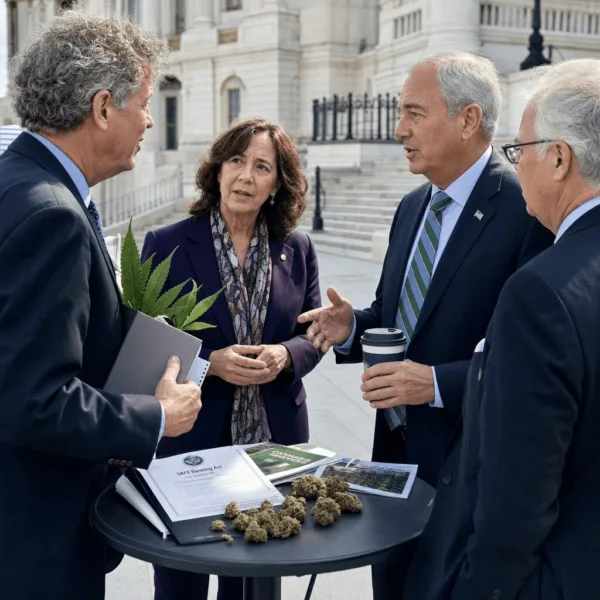
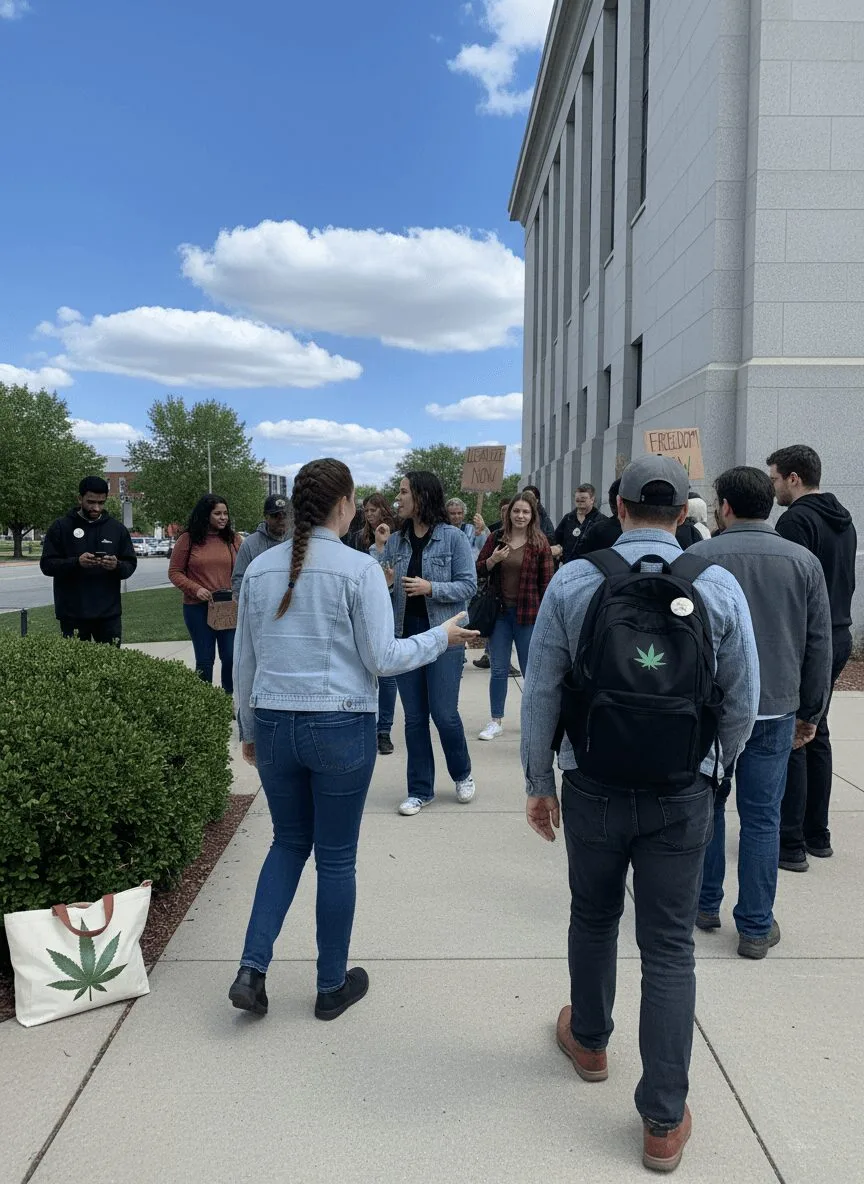
On Monday, June 17, 2024, the Covington City Council convened to address a heated proposal, namely, whether to decriminalize the possession of up to one ounce of marijuana. As reported by WSB-TV, the council ultimately voted against the initiative, with a narrow split reflecting the city’s divided sentiments. Council members cited ongoing legal uncertainty at the state and federal level, as well as concerns about community health and youth exposure. Residents on both sides of the aisle flocked to City Hall, some with handmade signs, many sharing personal experiences with cannabis arrests or medical use. The proposal, had it passed, would have reduced penalties for low-level marijuana possession from criminal charges to a civil infraction—a move previously enacted in other Georgia cities. The failed vote placed Covington back in the legal status quo, with strict penalties for even minimal amounts of marijuana still on the books. This is reminiscent of recent community discussions in other states—for example, Tennessee’s innovative debate linking marijuana reform to infrastructure funding shows how different regions approach legalization debates. Notably, this event echoes broader nationwide trends. According to NORML, more than two dozen Georgia jurisdictions have considered or implemented similar measures. Covington’s decision, however, underscores how local dynamics, and the cautious posture of some policymakers, continue to shape cannabis reform at the grassroots level.
Expert Analysis: What the Vote Reveals, and Why Advocates Aren’t Backing Down
It’d be easy to dismiss the Covington marijuana decriminalization vote as just another small-town setback, but let’s spark up some deeper analysis. This decision arrived against the backdrop of historic national momentum; states like Maryland and Minnesota recently flipped the switch on adult-use legalization, and Gallup’s consistent polling shows public support wafting above 65% nationwide. Locally, Covington’s reluctance illustrates Georgia’s stop-and-go approach, reflecting lingering stigma and legal complexity, not a lack of demand or necessity. Cannabis arrest records still show racial disparities persist, which many see as proof that criminalization creates more harm than good. Colorful incidents—such as the recent story where a weed donation to a local charity shop sparked both laughs and new dialogue about cannabis perceptions—continue to shape public attitudes and conversations. Top-tier analysts note Georgia’s medical cannabis framework remains limited and confusing, fostering frustration among patients and legal grey zones for law enforcement, problems that thoughtful decriminalization could help temper. As Dr. Paul Armentano, Deputy Director of NORML, recently said, “Decriminalization isn’t about green-lighting use, it’s about ending costly and needless arrests.” The Covington city council vote might have failed, but it reflects not just nerves, but how cannabis conversations are maturing and mainstreaming everywhere, even in the heart of Georgia’s small-town South.
Looking Forward: Hope, Persistence, and the Path to Sensible Reform
Though the Covington marijuana decriminalization vote didn’t deliver the change advocates hoped for, it’s fueling renewed activism, conversation, and local engagement. National industry trends, as covered by Marijuana Moment, reveal that setbacks like this rarely stop progress; they often accelerate it by spotlighting outdated policies. Covington’s debate is already inspiring neighboring communities to explore similar shifts, and the city’s electorate is more engaged in cannabis policy than ever before. With each public debate, the march toward fairer, smarter drug laws gains new energy. Georgia’s patchwork of reform is slowly turning into a movement—and as other states blaze new trails, local policymakers will have to keep up. Ultimately, the cannabis industry’s growth, increased social acceptance, and the trend toward common-sense regulation mean it’s only a matter of time before cities like Covington light up the path to a brighter future.
Originally reported by: wsbtv.com


1 Comment
Pingback: Republican cannabis governor: Can a weed CEO bridge the divide?