




Tennessee marijuana legalization: Will ‘Pot for Potholes’ Pass?
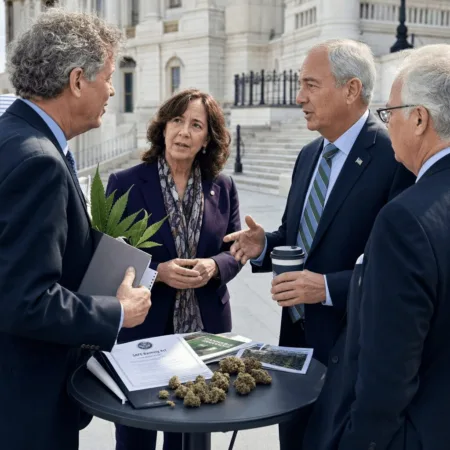
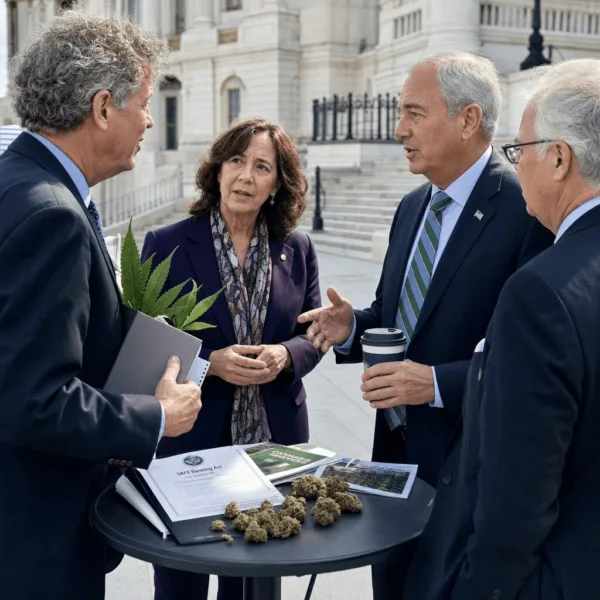
Tennessee marijuana legalization has just roared back into the spotlight, and not just among cannabis enthusiasts. State lawmakers have reignited the so-called ‘Pot for Potholes’ proposal—a creative, headline-grabbing push to legalize and tax marijuana to fund much-needed road repairs. With the cannabis movement gaining traction nationwide, Tennessee’s latest legislative debate signals both the state’s urgency around infrastructure and a potentially historic shift for Southern cannabis policy. In this article, we break down why Tennessee marijuana legalization is such a hot topic, examine the latest legislative twists, and explore how this conversation could shape the future of cannabis in the Volunteer State.
Understanding Tennessee Marijuana Legalization: Background and Regulatory Landscape
When it comes to Tennessee marijuana legalization, the state has traditionally maintained a strict stance against cannabis. Recreational use remains illegal, and even medical cannabis laws are among the most restrictive in the nation. Neighboring states such as Alabama and Kentucky have started to introduce limited medical marijuana programs, highlighting Tennessee’s unique position in the Southeast. Despite these barriers, public opinion has shifted dramatically. According to the Pew Research Center, the overwhelming majority of Americans support at least some form of legalization. Recent discussions, such as whether the new debate might pave the road for change, are explored in detail in this overview of Tennessee marijuana legalization progress. Tennessee lawmakers are now under pressure to address not just demand for reform, but also the fiscal and social opportunities it could bring, including the potential windfall of tax revenue aimed at fixing the state’s crumbling infrastructure.
Spotlight on ‘Pot for Potholes’: Key Developments & Current Issues
This year, Representative Bruce Griffey and Senator Heidi Campbell reintroduced the ‘Pot for Potholes’ bill, which would legalize cannabis sales and earmark marijuana tax revenue for road repairs. The proposal aims to kill two birds with one stone, advancing Tennessee marijuana legalization and tackling the state’s notorious pothole problem. NewsChannel 5 Nashville reports the plan proposes regulating cannabis similarly to alcohol, with sales restricted to adults over 21. The bill has been met with lively debate in legislative committees since early 2024. Similar community-based approaches have reflected the value of proactive engagement, as illustrated by recent community reactions to drug-related arrests. While opposition remains fierce among some conservative legislators, proponents argue this targeted legalization plan offers a pragmatic approach to both cannabis policy and pressing state infrastructure needs. The proposal would also create a regulatory framework, drawing on guidance from state agencies and best practices in places like Colorado and Illinois. If enacted, Tennessee would join the growing list of states turning to cannabis taxation as a creative, sustainable revenue source, mirroring trends in Illinois and beyond.
Expert Analysis: Industry Perspective & Pro-Cannabis Arguments
Let’s light up the facts. For years, experts have said Tennessee is leaving money on the table by not legalizing marijuana. According to Leafly, states that have adopted similar tax-and-regulate models have not only improved public safety, they’ve generated nearly $15 billion in cumulative tax revenue since 2014. Cannabis policy analyst Lana Perez notes, “The evidence is clear, regulated marijuana can fund schools, ease budget deficits, and repair everything from roads to reputations.” Meanwhile, the Tennessee marijuana legalization debate isn’t just about money. Insights from other regions—such as community and regulatory updates after recent court decisions impacting the cannabis industry—can be seen in the impact of local cannabis court rulings. Advocates, including veterans, patients with chronic conditions, and former law enforcement, argue that regulation will curb the illicit market, institute product safety standards, and boost economic opportunity in rural areas. With Tennessee’s agricultural roots, the potential to create jobs, from cultivation to dispensary operations, cannot be overlooked. Several respected sources, like Marijuana Moment, reinforce that reimagining marijuana policy is part of a broader trend toward rational, evidence-based reform across the U.S.
Future Outlook and Conclusion: Tennessee’s Path Forward
All in all, Tennessee marijuana legalization isn’t just a far-fetched pipe dream—it’s a growing possibility fueled by shifting public opinions and budgetary realities. Even if the Pot for Potholes initiative faces hurdles in this legislative session, its return to the spotlight proves the appetite for reform is real and rising. As seen in states like Colorado and Illinois, regulated markets not only generate vital public dollars but also normalize responsible cannabis use. The Tennessee marijuana legalization debate isn’t just about fixing potholes—it’s about paving the way for a more inclusive, innovative, and equitable state. Whether lawmakers greenlight the bill now or in the near future, one thing’s obvious: the Volunteer State is accelerating toward a new era, and the cannabis community is ready for the ride.
Originally reported by: newschannel5.com