Maryland Delta-8 Delta-10 THC law: What You Need to Know Now
The Maryland Delta-8 Delta-10 THC law is making waves through the state’s cannabis market and for good reason. With recent legal changes, both consumers and shop owners are asking what these regulations mean for access, safety, and the future of hemp-derived cannabinoids. Whether you’re an everyday enthusiast or just canna-curious, this new law deserves your attention. Let’s break down what’s happening, why Maryland’s approach is unique, and how it might impact the broader cannabis landscape.
Understanding the Background: How We Got Here
The Maryland Delta-8 Delta-10 THC law didn’t come out of nowhere, it’s part of a national conversation about how alternative cannabinoids fit into legal, consumer, and safety frameworks. Ever since hemp-derived Delta-8 and Delta-10 THC gained popularity, many states have scrambled to address legal gray areas. According to MJBizDaily, the 2018 US Farm Bill opened up the hemp market, but left Delta-8 and Delta-10 regulation up to individual states. These cannabinoids aren’t as psychoactive as classic Delta-9, so until recently, Maryland retailers could openly sell Delta-8 and Delta-10 in everything from gummies to vapes, sometimes right alongside CBD. In other states, communities have responded differently; for instance, entrepreneurial spirit and regulatory shifts are evident where towns welcome new recreational cannabis dispensaries and adapt to evolving policies. But public safety concerns, youth access, and evolving federal guidance forced lawmakers to revisit these rules. Groups like the National Organization for the Reform of Marijuana Laws (NORML) cite unclear testing standards and gaps in oversight as reasons regulators are stepping in. Maryland, in classic crab-cake-slinging fashion, decided on their own blueprint for these hemp-derived compounds.
Key Developments & Issues: What Changed and Who’s Impacted
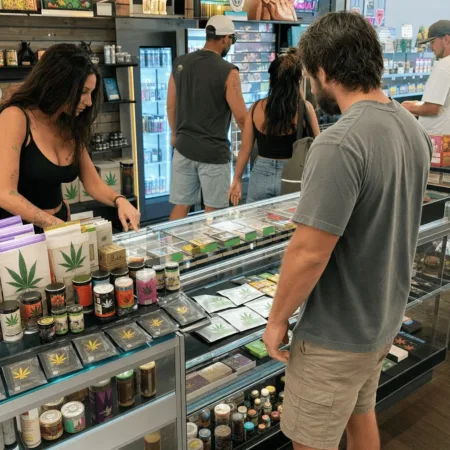
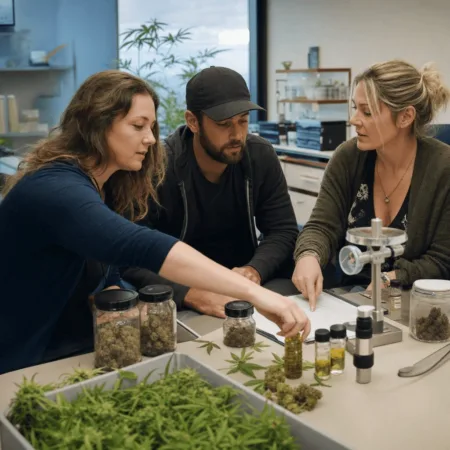
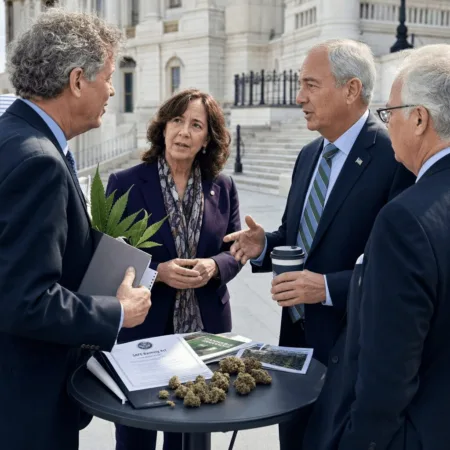
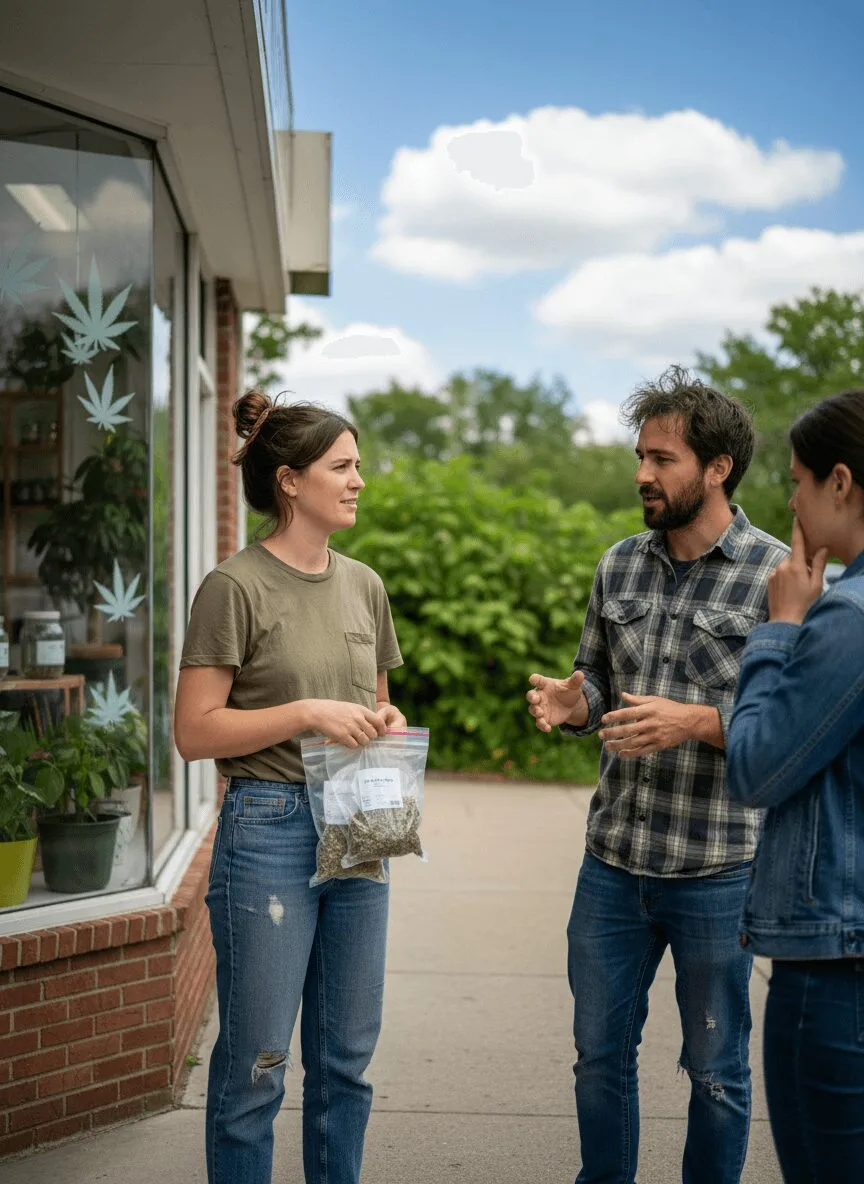
As of July 2023, Maryland’s lawmakers passed strict new rules targeting Delta-8 and Delta-10 THC products, immediately impacting store shelves and suppliers. The new Maryland Delta-8 Delta-10 THC law restricts the sale of all intoxicating hemp-derived cannabinoids, including Delta-8 and Delta-10, outside of licensed adult-use cannabis dispensaries. According to an in-depth report from The Baltimore Sun, the legislation specifically prohibits gas stations, convenience stores, and vitamin shops from selling these products to anyone under 21. While these types of regulations are drawing nationwide attention, other states are also seeing tax reforms and market shifts as reflected when regions report significant excise tax windfalls from evolving cannabis laws. Retailers had a grace period to clear inventory, but as of the effective date, it’s all about licensed sales. State regulators now require standardized testing and batch tracking, echoing the protocols already in place for medical and recreational cannabis. This legislative push responded to consumer complaints, incidents of underage access, and a chorus of retailers clamoring for clearer guidelines on what’s legal and what’s in the gray zone. Industry voices like Maryland NORML have noted that while the law increases consumer safety, it may squeeze out smaller hemp businesses unable to meet stricter compliance requirements.
Expert Analysis & Pro-Cannabis Counterpoints
This new Maryland Delta-8 Delta-10 THC law is a double-edged sword: safety goes up, but so do regulatory hurdles. From a market veteran’s perspective, these measures are long overdue, testing and transparency are every consumer’s right. Yet, there’s an unmistakable pinch felt by small operators and patients seeking alternative cannabinoids for wellness, not just a buzz.
As Marijuana Moment points out, “Delta-8 and similar products have filled an important niche for residents looking for relief outside of traditional dispensaries.” Dr. Ethan Russo, a renowned cannabis researcher, said, “We need to strike a balance between access and safety, regulation should empower responsible cannabis use rather than punish small businesses.” (Source: Leafly) Looking across the country, changes in cannabis production and regulatory adaptability are also demonstrated by how growers balance surging demand in emerging markets. Bernstein analysts indicate these regulations could set national precedents by showing how states balance innovation and oversight. But advocates urge Maryland to cycle some licensing revenue into grant programs for minority and legacy operators shut out by compliance costs. This way, safety doesn’t mean exclusion.
The Road Ahead: What’s Next for Maryland Cannabis—and Beyond
The Maryland Delta-8 Delta-10 THC law signals a critical shift in the market, but the future is brighter than some headlines suggest. Stricter regulation could pave the way for robust safety standards and more consumer protections—ultimately boosting confidence in hemp-derived products. While some small businesses may struggle, industry groups urge lawmakers to offer support through grants and training. Social acceptance of cannabis continues to rise, and Maryland’s approach might influence how other states fine-tune their own rules. According to Cannabis Business Times, this era of legal fine-tuning could lead to a more mature, equitable industry. As innovation and inclusion become guiding lights, consumers and entrepreneurs alike can expect a landscape that is smarter, safer, and ready to grow—no pun intended.
Originally reported by: thebaynet.com