

Dillon Brooks DUI marijuana: New Bodycam Footage Revealed
Right now, the cannabis world is buzzing thanks to the headline-grabbing Dillon Brooks DUI marijuana incident. Bodycam footage from a recent stop has thrown cannabis norms, law enforcement ethics, and public perception into the spotlight once again. As society wrestles with the modernization of weed laws, this high-profile event isn’t just another tabloid scoop. It’s a pivotal moment for anyone passionate about cannabis justice, industry progress, and fair legal treatment. Let’s break down why Dillon Brooks DUI marijuana is bigger than one night on the road—and what it means for the culture and business of cannabis today.
The Legal, Social, and Regulatory Landscape Behind the Dillon Brooks DUI Marijuana Story
The rise of cases like Dillon Brooks DUI marijuana is set against a patchwork of U.S. marijuana laws that create confusion for both police and the public. Across the country, attitudes toward cannabis are shifting fast, with NORML reporting that over 20 states have legalized adult-use marijuana, yet driving under the influence remains highly regulated and subject to strict enforcement, even where recreational use is permitted. As CDC guidance highlights, while THC impairment can lessen coordination, the testing process is controversial, and legal limits are inconsistently enforced. Socially, the cannabis stigma lingers, especially for Black men who have historically faced disproportionate scrutiny, as highlighted in studies by the ACLU. Further complicating the regulatory landscape, in states like Tennessee, industry observers have noted that legalization debates may have positive impacts on areas ranging from tax revenue to infrastructure improvements, as explored in recent developments regarding roads and marijuana tax funding. Market-wise, the evolving legal space has wide gaps between public understanding and law enforcement education, a gap now made painfully clear by highly publicized events like this one.
Key Developments & Issues in Dillon Brooks DUI Marijuana Case
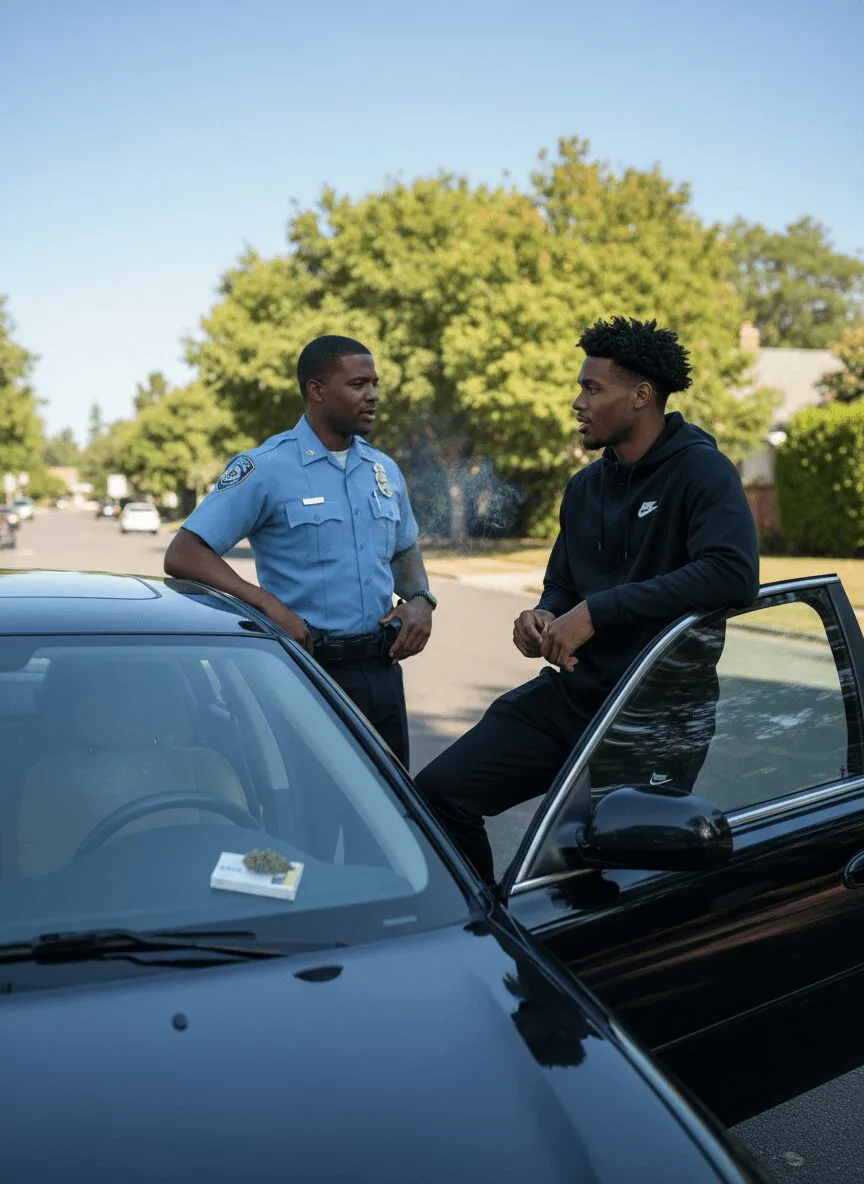
The Dillon Brooks DUI marijuana story broke wide open on March 7, 2026, when new bodycam footage hit the internet after a late-night traffic stop outside a suburban neighborhood. According to details from footage released by TMZ, Dillon Brooks, the talented young NBA athlete, was seen conversing with officers after they noticed marijuana odor and visible cannabis in his vehicle.
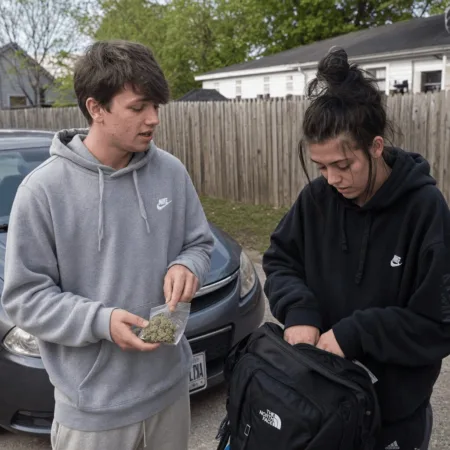
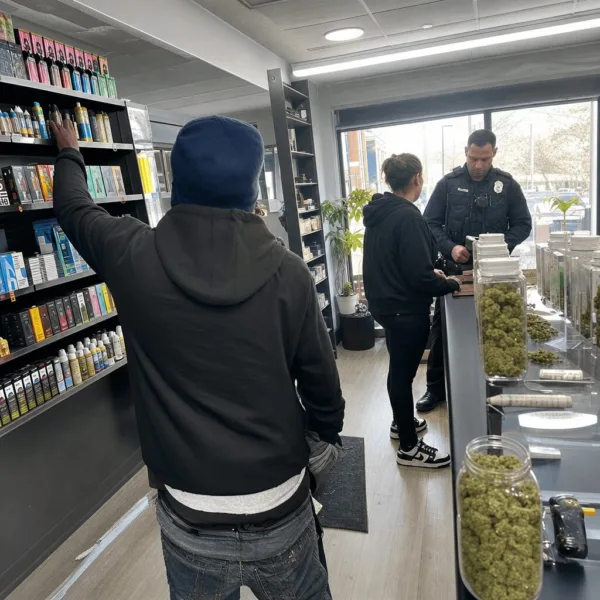
The footage reveals Brooks calmly complying with officers who observed a bud and rolling papers in plain sight on the center console. Per the video, police requested Brooks step out of his black, parked car to discuss concerns. The stop took place during daylight hours and featured a collaborative but cautious tone from both Brooks and law enforcement. Recent cases in nearby jurisdictions suggest that significant marijuana-related traffic stops can quickly escalate and reveal broader enforcement trends, as seen in the Rutherford County marijuana traffic enforcement issue. As detailed in ESPN reports, this case has reignited controversy around marijuana and driving laws, given that the details straddle the categories of legal possession and alleged impairment. While Brooks faced no immediate arrest at the scene, legal proceedings and public discourse continue to swirl, fueled by rapidly spreading video clips and heated industry commentary.
Expert Analysis, Industry Insights, and a Pro-Cannabis Perspective on Dillon Brooks DUI Marijuana
This Dillon Brooks DUI marijuana event throws a spotlight on urgent questions for the cannabis industry and broader culture. Legal experts point out that THC impairment doesn’t always correlate with real-time risk, as Leafly’s Law & Policy report underscores. “Many marijuana DUI cases lack clear scientific evidence connecting THC levels to actual driving impairment,” notes Dr. Paul Armentano, Deputy Director at NORML (source), adding, “We need laws that reflect real risks, not outdated fears.”
From a cannabis culture perspective, the rapid spread of the Dillon Brooks DUI marijuana video underscores the social pressure famous figures face, as well as the continued need to destigmatize adult cannabis use when done responsibly. At the same time, these moments urge the industry to step up consumer education about safe use, especially for public figures playing by the rules. Notably, adjustments to how impairment is judged and prosecuted have sparked debate among employers, patients, and investors about reclassification implications for marijuana use. As noted in Marijuana Moment reports, evolving laws demand equally updated field sobriety protocols and fairer legal frameworks that recognize both public safety and individual rights.
Future Outlook: Dillon Brooks DUI Marijuana and the Road Ahead for Reform
The Dillon Brooks DUI marijuana incident doesn’t define the legacy of legal weed—but it sure speeds up conversations that matter. As society moves toward broader cannabis acceptance, lawmakers, law enforcement, and the industry must work together for balanced rules and honest education. According to Marijuana Policy Project analysts, reform is picking up pace, with more people demanding clarity on impairment laws and fewer punitive penalties for non-dangerous cannabis scenarios. Moments like these urge us all to fight for smarter, less stigmatized, and fairer policies. The direction is clear: responsible cannabis culture is here to stay, and its future is brighter than ever.
Originally reported by: tmz.com