



Veterans Psychedelic Marijuana Access: Revolutionary Push Ahead
Why is veterans psychedelic marijuana access blowing up in the national conversation right now? Simple: the demand for compassionate treatment options has never been higher. A wave of support is rolling in from veteran advocacy groups—driven by alarming mental health statistics and undeniable reports of plant-based therapies making an impact. The push for reform isn’t just about policy; it’s about real lives, urgent needs, and an industry on the brink of historic change. Today, we’re talking about unprecedented action, breakthrough research, and good old-fashioned boots-on-the-ground activism—all centering around one critical goal: ensuring veterans can access psychedelic and marijuana therapies when they need them most.
Background: The Roadblocks Facing Veterans Psychedelic Marijuana Access
When it comes to veterans psychedelic marijuana access, the legal maze is staggering. While cannabis remains federally illegal, over 20 states now permit adult-use marijuana, and a handful are piloting legal psychedelic therapies. Yet, federal policy remains stubborn. The U.S. Department of Veterans Affairs (VA) still restricts its doctors from recommending or discussing marijuana, locking countless veterans out of programs proven to help with PTSD, chronic pain, and depression. This clash between federal law and state reforms leaves veterans in limbo, and recent tax revenue gains in places like Michigan demonstrate how local change can generate positive community momentum—see how Michigan marijuana tax revenue empowers communities across state borders. Progressive regions like Oregon are rewriting paradigms, but without federal movement, access gaps persist. According to NORML’s medical cannabis report, inconsistent protections continue to cause confusion, stigma, and even legal jeopardy for those sincerely seeking relief. At the same time, mounting social support is pushing for policy to match the science and lived experience of America’s veteran community.
Key Developments & Issues: Veterans Demand Change at the Highest Levels
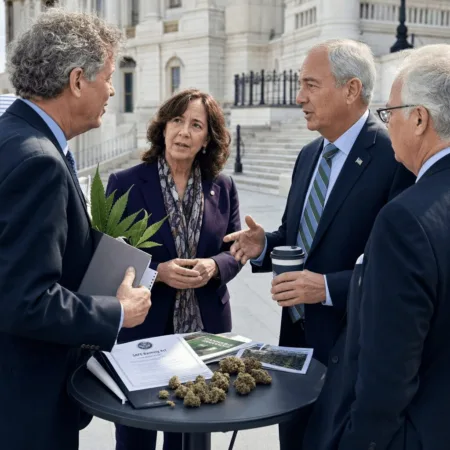
The latest push springs from a powerful coalition of veterans organizations—including The American Legion and Iraq and Afghanistan Veterans of America (IAVA). In June 2024, these groups called on Congress to pass bills expanding veterans psychedelic marijuana access, specifically to address the national suicide crisis among ex-service members. The appeal, detailed in a multi-organization letter reported by Marijuana Moment, demands congressional support for federally sanctioned research and immediate patient waivers for psychedelics and cannabis. If legislation advances, it could set a precedent much like the movement underway in New Hampshire, where marijuana legalization faces a Senate roadblock and shapes the debate beyond state lines.
This coordinated action follows another pivotal event, the bipartisan introduction of two key bills: the Veterans Health Administration Marijuana Research Act and the Breakthrough Therapies Act. These measures would require the VA to investigate medical cannabis benefits and open up access to psilocybin therapy under controlled conditions. Industry observers note that public hearings, expert testimony, and in-depth studies now shape the debate more than ever. According to Roll Call’s June 2024 coverage, these policy debates carry powerful backing from scientists, military psychiatrists, and even former Pentagon leaders. Still, the regulatory hurdles are fierce, with some lawmakers hesitant to green light reforms without more clinical data. The stakes? Sky-high for thousands of veterans navigating a difficult system and seeking hope in the form of plant medicine.
Expert Analysis, Cannabis Culture, and Real-World Insights
So, what does all this mean for veterans psychedelic marijuana access, and for the cannabis industry at large? First off, advocacy is working: These latest moves prove that coordinated action grabs Washington’s attention. As Veterans Cannabis Project founder Nick Etten puts it, “No one should have to choose between their health and their honor. It’s time for safe, legal options.” Recent peer-reviewed research shows that psychedelics and medical cannabis can lower PTSD and suicide risk, giving real, measurable hope to veterans on the edge. Still, despite the buzz, lingering stigma and bureaucratic sluggishness slow down progress. Cannabis culture understands resilience, and it’s not just about rolling up and relaxing—many advocates point to local progress, such as in Monroe County where legal weed is powering community progress. This is about reclaiming agency over our own health and about demanding respect for lived experience. Global cannabis markets have logged record growth thanks to social acceptance, and the U.S. is primed for change, pending the right political moves and ongoing public education.
Many experts reference Colorado’s and Oregon’s recent regulatory achievements, as well as robust data from MJBizDaily, showing that expanded patient access correlates with drops in opioid harm and improved mental health metrics. As always, change is a marathon, not a sprint, but the science and public sentiment are finally aligning.
Future Outlook & Conclusion: Hope and Momentum for Veterans Psychedelic Marijuana Access
The fight for veterans psychedelic marijuana access is shaping up as one of the most compelling stories in America’s evolving wellness landscape. We’re seeing unprecedented collaboration between veteran communities and reform-minded lawmakers—opening the door to smarter, science-based policy.
With every study published and every congressional hearing called, the case grows clearer: Veterans deserve compassionate, modern care fueled by real evidence and choice. According to Forbes coverage, federal regulators are slowly waking up to this reality. The cannabis industry’s continued growth, social mainstreaming, and mounting bipartisan support all suggest that access barriers can—and will—break down in the coming years.
The road ahead won’t be without bumps, sure. But for thousands of veterans and advocates, the movement is just getting started—powered by hope, hard data, and a future where plant-based medicine is respected, accessible, and safe for all who need it.
Originally reported by: marijuanamoment.net
1 Comment
Pingback: Tennessee medical marijuana legalization: Will it pass soon?