





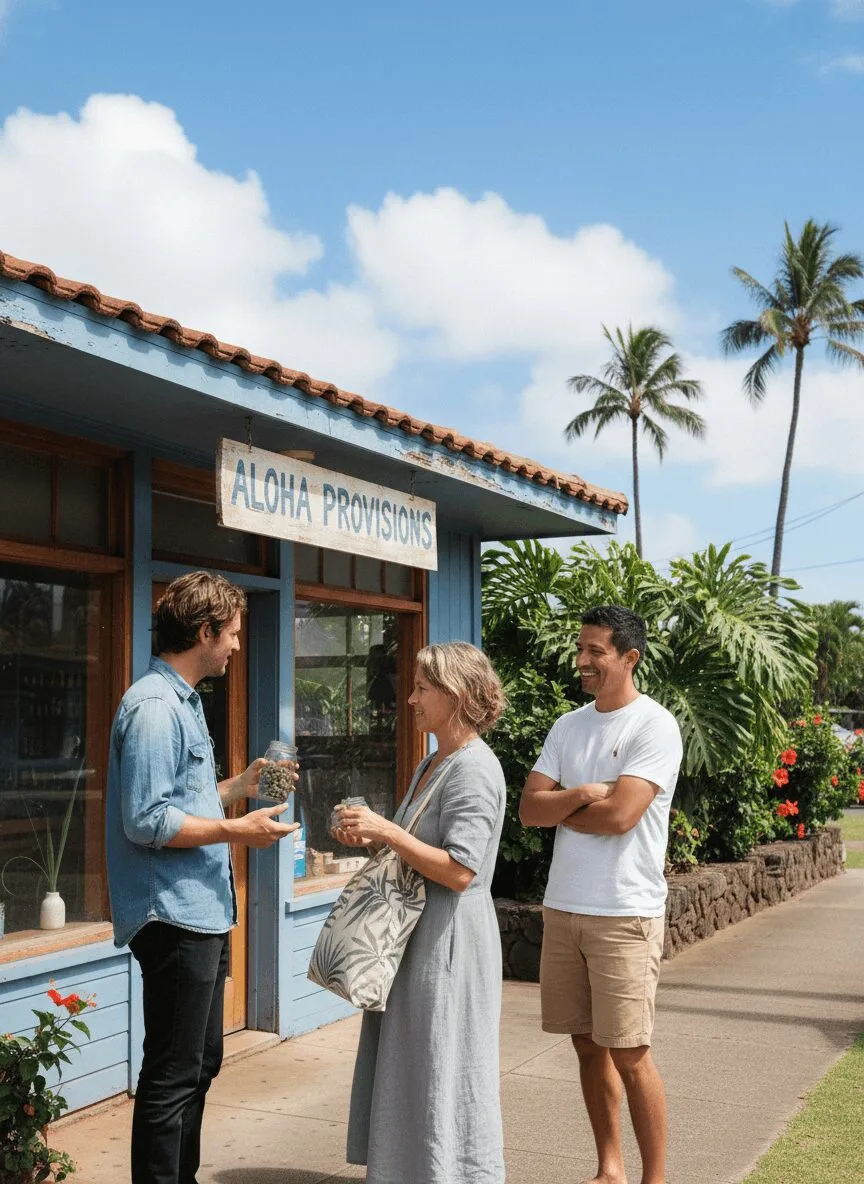
Hawaii adult-use cannabis plan: Unexpected twists & irony
The Hawaii adult-use cannabis plan is front and center, and not just for policymakers but for every island resident watching the national green wave crash onto their shores. With growing momentum across the United States, legalization is reshaping business, community conversations, and even daily routines. Hawaii’s unique approach—full of unexpected turns and a touch of island irony—deserves our attention. In this article, we’ll break down the latest happenings, game-changing regulatory elements, and why this plan matters so much to both advocates and skeptics of cannabis reform.
The Regulatory & Social Landscape under Hawaii’s Adult-Use Cannabis Plan
Hawaii’s journey toward regulating adult-use cannabis has never been straightforward. For years, the islands have maintained a cautiously progressive stance: medical cannabis was legalized back in 2000, but retail dispensary operations only became operational in 2017. Unlike states with massive, consolidated markets, Hawaii’s limited geographic scale and tight-knit communities have forced lawmakers to tread carefully. NORML highlights the mix of local support and entrenched resistance, reflecting broader U.S. debates about legalization’s impact on tourism, youth, and public health. Socially, many Hawaii residents support decriminalization but worry about over-commercialization or under-regulation, as shown in local polls and ongoing legislative testimony. Across the country, other states are eyeing major cannabis reforms, as seen in recent West Virginia medical cannabis legislation updates, showing how Hawaii’s experience fits into a wider national policy evolution. Meanwhile, the economic pressure is mounting, with Hawaii facing budget crunches and significant potential tax revenue from legal adult-use sales, providing a powerful incentive for new regulations. Recent legal filings and community debates, echoed in Hawaii Public Radio coverage, show a complex web of cultural, health, and fiscal issues at play, all converging in the current Hawaii adult-use cannabis plan debate.
Key Developments & Issues in the Hawaii Adult-Use Cannabis Plan
The most recent legislative push saw the Hawaii adult-use cannabis plan advance in the 2024 session. The proposal allows adults 21 and over to purchase and possess cannabis from licensed stores. Crucially, this plan establishes a dual-licensing system favoring local entrepreneurs while still addressing concerns about mainland corporate dominance. Key dates include the introduction of Senate Bill 669 in January 2024, which would establish a regulatory authority, similar to agencies seen in Colorado and California, to oversee all commercial activity. Notably, the plan would decay some prior cannabis convictions, aiming to repair some past injustices for local residents. This progressive approach was highlighted by MJBizDaily as a unique hybrid between medical and adult-use systems. Surprising ironies have arisen: groups who previously fought for tighter controls on medical dispensaries now support robust retail and social equity opportunities under the plan. Recent policy shifts in other locales, such as Connecticut’s marijuana legislation changes, mirror similar debates over business, public health, and social justice. However, some opposition remains, especially from groups representing child welfare, tourism, and certain business sectors. As reported in Honolulu Star-Advertiser, hearings have revealed passionate, and at times conflicting, visions for the future of cannabis in the state. A standout provision—the plan’s intention to ban advertising targeting tourists—has fueled debate among hospitality industry leaders worried about mixed messaging to visitors.
Expert Analysis & Pro-Cannabis Perspectives
Cannabis experts and industry watchers see Hawaii’s progressive, yet cautious, path as reflecting both deep respect for local culture and clear lessons from the mainland’s hit-or-miss legalization experiments. According to Leafly senior editor David Downs, “Hawaii’s model tries to balance social justice, local business empowerment, and public health in ways few states have dared.” The Hawaii adult-use cannabis plan reflects that drive for balance: measures for expungement, strict labeling, child-proof packaging, and robust local participation all signal a mature, calibrated approach. The role of cannabis tax policy in shaping outcomes cannot be understated, as highlighted by recent discussion of excise tax changes nationwide. Critics of adult-use legalization—often citing youth access concerns—are countered by recent studies, such as those published in the National Library of Medicine, showing that well-regulated dispensary systems do not lead to increased teen usage. When hiccups do happen, as seen in Illinois and California, it’s often due to lack of local input or slow regulatory rollouts, not legalization itself. “Legalization done right means centering local voices and learning from other states,” as Hawaii Cannabis Industry Association Chair Kaleo McAllister has stated in testimony to the legislature. The plan’s supporters consistently highlight potential economic, social, and health benefits if implemented with integrity.
The Road Ahead for the Hawaii Adult-Use Cannabis Plan
Looking forward, Hawaii’s adult-use cannabis plan represents more than another state-level legalization. It’s a chance for Hawaii to craft a culturally sensitive, economically robust, and socially responsible model. If successful, it could become a template for other island communities and small states navigating the tensions between tradition and progress. Industry analysts at Benzinga suggest Hawaii could see a boom in local entrepreneurship, paired with increased tax revenue for schools and public health. As national perceptions evolve and federal reform inches closer, Hawaii’s unique approach positions it to thrive. Ultimately, the story of the Hawaii adult-use cannabis plan is about finding common ground in a diverse, passionate community—embracing change while honoring local roots.
Originally reported by: staradvertiser.com
2 Comments
Pingback: Cannabis Use Mental Health: What Rising Trends Reveal
Pingback: Jonesboro drug bust: Shocking Felony Charges Exposed