



Hawaii psychedelics task force: New Era for Mental Health Policy
The Hawaii psychedelics task force is quickly capturing headlines and the imagination of advocates everywhere. As legislators and wellness experts in Hawaii unite to change mental health policy, this powerful team represents a major shift not just locally but nationally. With psychedelics like psilocybin and MDMA under review, Hawaii pioneers a fresh, science-based approach to mental health, aiming to expand access to treatments and challenge stigma. In this article, we break down the hype, what’s motivating stakeholders, and why the Hawaii psychedelics task force matters right now in the broader context of evolving cannabis and wellness law. Get ready for a deep dive into new possibilities and what this means for Hawaii’s future.
Background: Hawaii’s Shifting Psychedelic and Cannabis Landscape
For years, Hawaii has maintained a distinct position within America’s cannabis and psychedelics conversation. Although medical cannabis has been legal since 2000, the state’s approach to more progressive reforms has lagged compared to trailblazers on the mainland. Increasing demand for alternative therapies, however, puts pressure on lawmakers to modernize policy. According to NORML, a renowned cannabis policy resource, trends show surging public support for expanded mental health interventions—including research-backed psychedelics. Recent conversations about legislative changes, such as those regarding new eras of reform in Hawaii, further underline the shifting viewpoints. Meanwhile, Hawaii’s natural environment and holistic cultural attitudes make it a prime site for plant medicine innovation. With both the cannabis and wellness sectors booming globally, state leaders view the Hawaii psychedelics task force as a vital step toward regulated access and responsible integration of emerging therapies.
Key Developments: Hawaii psychedelics task force Gains Momentum
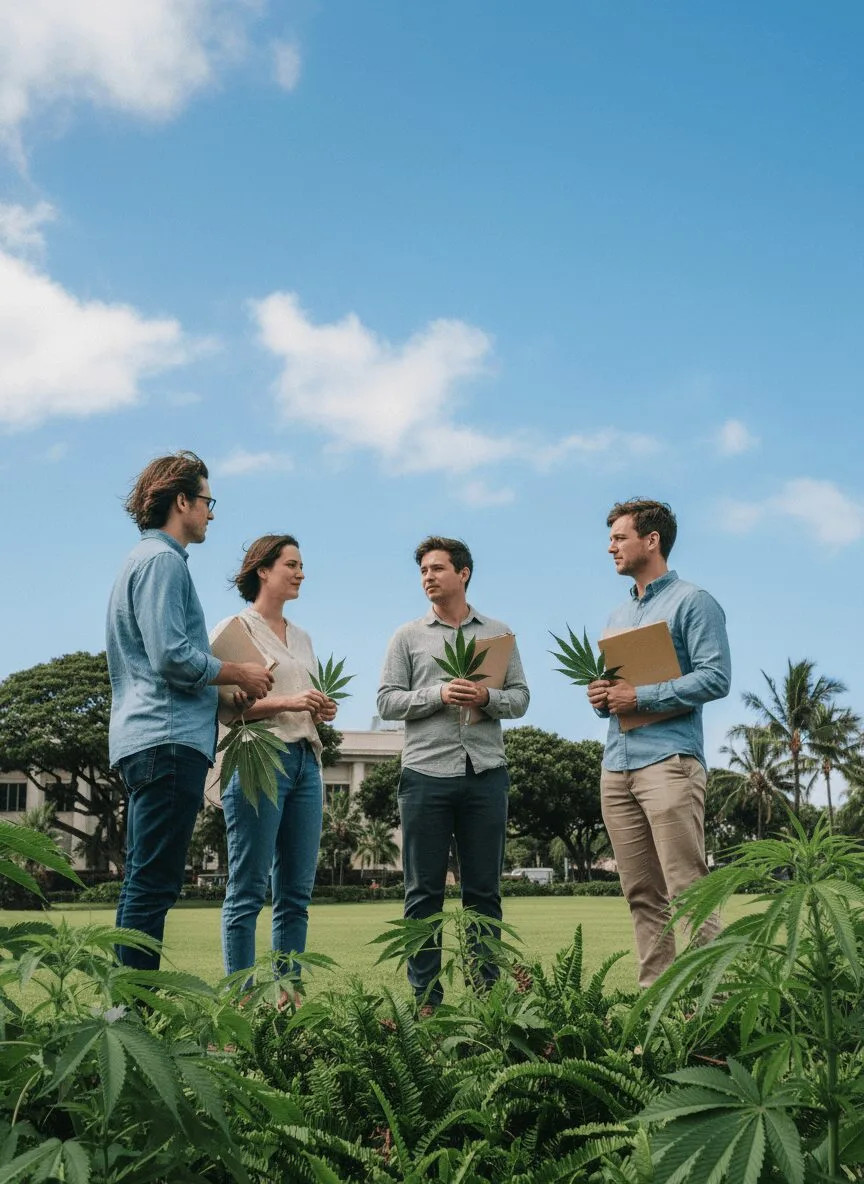
The Hawaii psychedelics task force has reached new levels of legislative visibility after state senators passed a critical bill (as reported in Marijuana Moment). For those watching wider national policy, significant shifts like the hemp industry market shakeups highlight how change often comes in concentrated bursts. The bill tasks the newly-formed panel with investigating and paving “pathways” for legal access to psilocybin and MDMA—two compounds showing real promise against depression and PTSD according to recent clinical studies. The task force’s remit includes evaluating risks, public health protocols, and access models, echoing frameworks seen in states like Oregon and Colorado. While the task force isn’t a green light for dispensary sales just yet, it formalizes a government mandate to deliver actionable recommendations to state lawmakers by the start of next legislative session. Members include state health officials, local providers, and community advocates, reflecting both medical and cultural perspectives unique to Hawaii.
Senator Chris Lee, a vocal champion of the measure, noted that Hawaii is “joining a national movement” for psychedelic medicine. This legislative push aligns with federal buzz, including FDA progress on evaluating MDMA-assisted therapies. The Hawaii psychedelics task force reflects cross-sectoral support, from indigenous voices to scientific researchers, all dedicated to safe, equitable access.
Expert Analysis: Why the Hawaii psychedelics task force Is a Game-Changer
Industry experts agree, Hawaii’s move is no tropical daydream. As Dr. Ethan Russo, a global advocate for cannabinoid medicine, asserts, “Legal, research-driven reform offers a productive path forward, especially in regions with strong traditions of plant-based healing” (Project CBD). The Hawaii psychedelics task force approach—community-informed, evidence-based, and transparent—outpaces reactionary policies elsewhere. This is similar to the destigmatization efforts noted in other cannabis policy reforms that fuel local communities and research. Industry veterans see this as part of broader political normalization, similar to the cannabis journey from stigma to boardrooms. By establishing advisory frameworks, Hawaii anchors medical psychedelics in science and policy, not hype, reducing risks of black market spillover and ensuring public safety. The state’s cannabis sector sees this as momentum for the destigmatization of all plant medicines, with real potential to cross-pollinate research, patient advocacy, and economic innovation throughout the islands.
Optimism Ahead: The Future of Hawaii psychedelics task force and Cannabis Policy
The formation of the Hawaii psychedelics task force signals more than trend-chasing; it marks Hawaii’s emergence as a leader in mental health reform. Advocates anticipate that the lessons learned here—public involvement, equity, and cautious optimism—will steer both policy and public attitudes. According to Cannabis Business News, the cannabis industry continues steady growth, driven by regulatory modernization and mainstream acceptance, especially in states that actively pilot new approaches. As the Hawaii psychedelics task force tackles its ambitious agenda, the outlook for compassionate, science-driven policy across cannabis and psychedelics has never looked brighter. If Hawaii delivers on its promise, the Aloha State might just set the stage for how America heals with plant medicine in the decades to come.
Originally reported by: marijuanamoment.net
1 Comment
Pingback: Tampa THC drink distribution: Last Rep’s Expansion Secrets