



Rhode Island cannabis licensing lawsuit: Officials Seek Dismissal
It’s impossible to avoid the buzz in the Ocean State—Rhode Island’s cannabis scene is heating up, and not just from the aroma wafting out of new retail shops. The hot-button Rhode Island cannabis licensing lawsuit is dominating headlines, sparking debates over fair access, regulatory integrity, and the future of cannabis business in the state. This case matters right now because it could shape who gets to play in Rhode Island’s green rush, just as the adult-use market is gaining momentum. We’ll dig into why officials want the suit tossed, what it means for entrepreneurs, and what seasoned canna-folks are saying about equity, transparency, and politics in the legal weed era.
Regulatory and Industry Background: Why the Rhode Island Cannabis Licensing Lawsuit Matters
Rhode Island has been riding the legalization wave, with recreational cannabis sales lighting up since late 2022, according to Rhode Island’s Department of Business Regulation. But, as with every legal market, the devil is in the licensing details. State regulators orchestrated a tightly controlled licensing process, hoping to strike a balance between allowing small operators in and preventing market monopolies, the same rocky terrain navigated from Massachusetts to New Jersey. Equity is a big buzzword, with everyone from policymakers to patient advocates scrutinizing how licenses are handed out, especially when large companies sometimes overshadow social equity efforts. In some states, ongoing industry infighting has also complicated these efforts, with tensions between stakeholders threatening progress. In this context, the Rhode Island cannabis licensing lawsuit becomes a microcosm for bigger national debates, such as who really gets a seat at the table when a new market opens and whether state bureaucracies are living up to their promises of fair access.
Key Developments: What’s Sparking the Rhode Island Cannabis Licensing Lawsuit?
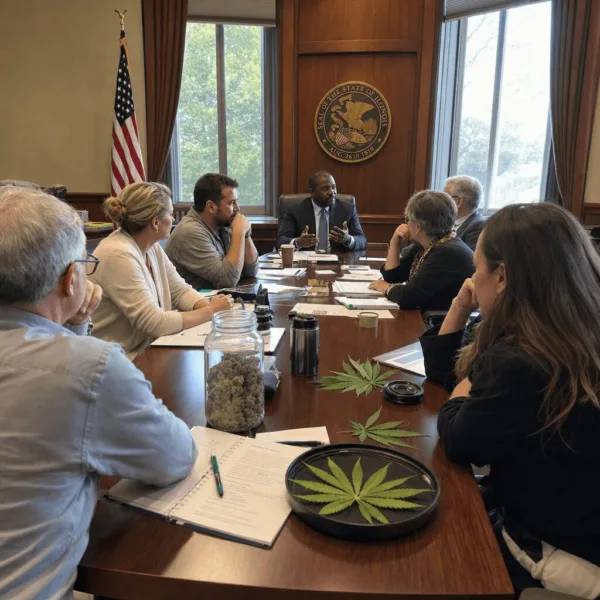
The current legal showdown is centered on the state’s selection process for cannabis retail and cultivation licenses, with plaintiffs alleging that the system was anything but transparent. According to filings referenced in Law360, claimants argue that certain applicants received preferential treatment, while others—particularly those from marginalized or social equity backgrounds—felt left out. The suit highlights alleged inconsistencies in scoring, late-stage rule changes, and unclear application criteria. Rhode Island officials, meanwhile, seek to have the case dismissed, citing strict compliance with regulatory guidelines and stressing everyone had an equal shot. The hearing, which took place in early June 2024, comes during a critical early phase for Rhode Island’s adult-use market, less than two years after recreational sales began. One recent comparison can be made to how new cannabis businesses spark hope and community in emerging markets, illustrating why the lawsuit’s outcome could directly impact how future licenses are awarded and fueling both anxiety and anticipation among potential licensees and established players alike.
Expert Analysis: Breaking Down the Impact and Broader Industry Lessons
Let’s get real, these lawsuits aren’t just local drama, they’re ripple effects of a rapidly maturing industry. Multiple states have faced similar challenges, raising the same questions about fairness, put simply by MJBizDaily: “Licensing is the lifeblood of any legal cannabis market, and how it’s awarded sets the tone for decades.” When a licensing process is seen as opaque, it undermines public trust and chills investment, especially for minority entrepreneurs historically excluded from the legacy market. Yet officials argue these rules prevent chaos and keep everyone aligned with federal and state law. Cannabis policy analyst Dana Barlett, quoted in Leafly, notes, “Litigation is a growing pain in every new adult-use market. But every challenge, and how states respond, pushes us closer to a more transparent, fair, and sustainable industry.” The stakes of the Rhode Island cannabis licensing lawsuit are high, not just for local operators but for the national cannabis conversation. Even outside licensing, challenges like safety or public health, such as the boil water advisory in New Orleans and its impact on both residents and cannabis advocates, shape how new markets develop and adapt.
Outlook: What’s Next for Rhode Island Cannabis and Beyond?
No matter how the scales tip in the courtroom, the Rhode Island cannabis licensing lawsuit will set important precedents. If the case is dismissed, regulators may double down on transparency to prevent future brawls. If it proceeds, expect increased scrutiny of every application round and a renewed push for diversity among licensees. Either way, this is just another chapter in America’s ever-evolving relationship with legal cannabis. As NORML reports, public support for equitable legalization is only growing, driving policymakers to modernize outdated practices. For both canna-newbies and legacy pioneers, the Rhode Island story is a reminder: the fight for fairness is far from over, but every spark—every lawsuit, every regulatory debate—lights the path to a more inclusive, thriving cannabis future.
Originally reported by: law360.com