




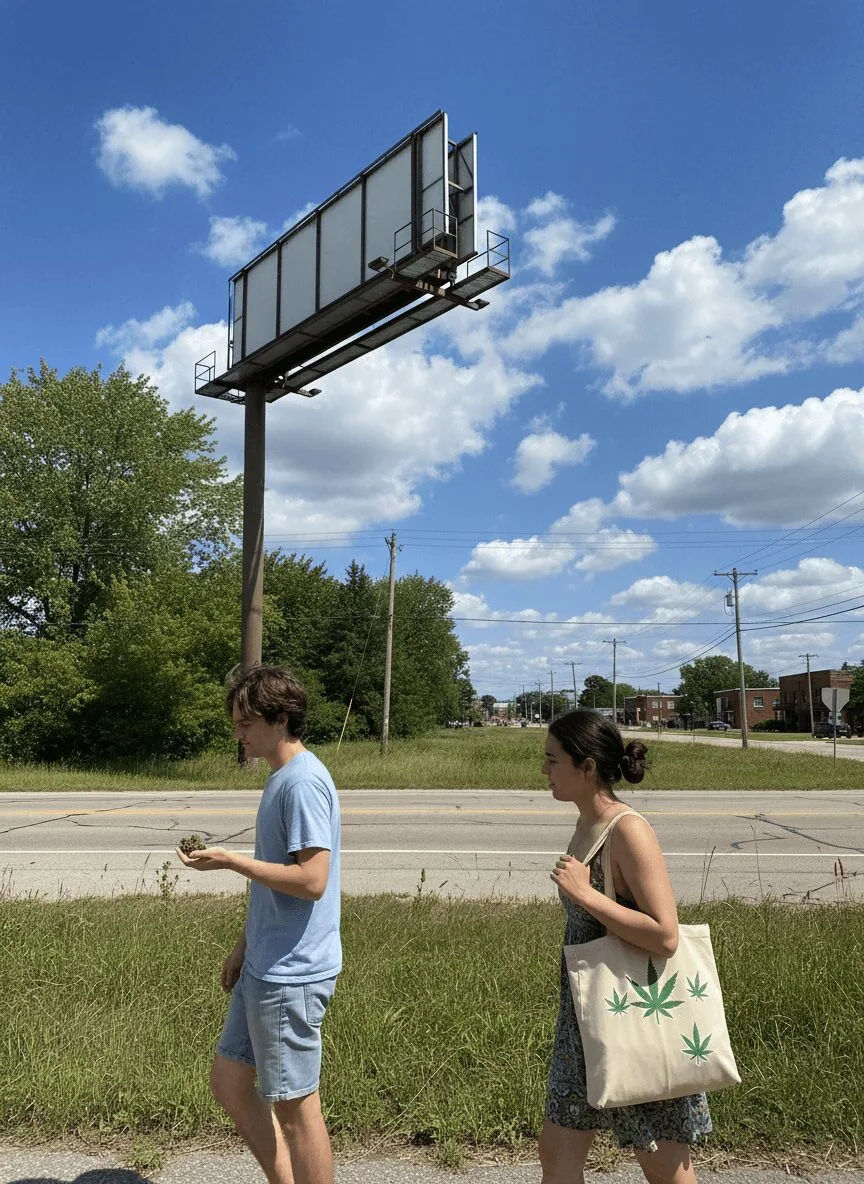
Michigan weed billboards spark outrage—here’s why
Let’s get real: Michigan weed billboards are lighting up more than just highways—they’re starting heated debates statewide. As the cannabis market thrives and more drivers spot cannabis ads towering over busy roads, concerned residents and business owners are voicing strong opinions. This discussion isn’t just about advertising. The controversy reflects deeper tensions around the changing face of legal cannabis: shifting norms, government oversight, and jostling market interests. In this article, you’ll get all the essential context, key facts, and an expert take on why Michigan weed billboards are making headlines and what it means for customers, businesses, and legalization overall.
Background: Michigan Weed Billboards and Changing Legal Landscapes
Michigan’s cannabis industry has exploded since adult-use legalization in 2018, with retail sales regularly breaking records. MLive reports that recent monthly sales exceed $250 million, signaling a thriving, and fiercely competitive, market. As companies scramble to stand out, billboard advertising for dispensaries and cannabis products has become more prominent. According to Michigan’s Cannabis Regulatory Agency (CRA), there are specific restrictions on advertising placement, content, and messaging intended to protect minors and discourage outlandish health claims. Yet, businesses are continually testing these boundaries to capture attention. This regulatory tug-of-war is fueled by social questions about what kinds of cannabis messaging belong in public spaces. While some see Michigan weed billboards as a sign of progress, others, often parents or those wary of normalization, argue that these billboards overstep and glorify legal weed. Tension between free speech, public safety, and industry interests is surfacing right here on the roadside—and just as sentiments shift with each new news cycle, recent debates about youth and cannabis laws are becoming central to these discussions.
Key Developments: The Billboard Backlash and Corporate Drama
Here’s where things get loud: A major flashpoint erupted when a Michigan weed billboard at the Moroun-owned Ambassador Bridge landed in the local spotlight, as originally reported by Detroit Free Press. The sign’s bold cannabis imagery sparked immediate public backlash, especially from parents’ groups and some city officials. Critics argued that the billboard’s vast visibility, especially near border crossings, risked promoting cannabis culture to tourists and youth. Concerns escalated into formal complaints to the CRA, and local government began reviewing the limits of billboard placements. The controversy spread beyond the billboard’s owners; companies including Outfront Media and local Michigan dispensaries faced pressure to pull or revise their ads. Amid the uproar, regulatory bodies began discussing stricter enforcement and new guidelines to clarify what content is acceptable. With 2024 bringing elections and more industry scrutiny, the tension surrounding Michigan weed billboards has spurred policymakers, community watchdogs, and business leaders to examine what “responsible” cannabis advertising should look like going forward. Across North America, cities are also dealing with late-night access and related policy debates, just like the ongoing discussions about dispensary hours sparking local controversy.
Expert Analysis: Navigating the Intersection of Commerce, Free Speech, and Social Change
So what’s really at stake here? At its core, the Michigan weed billboards dispute highlights the growing pain of a maturing industry. Billboards are just one tool in the cannabis marketing toolbox, but because of their public, in-your-face nature, they get outsized attention. According to High Times, cannabis businesses are walking a fine line: “You can’t build brand awareness without stepping into public view, but doing so too boldly creates backlash in conservative or transitional communities.” Erin Montgomery, a leading cannabis marketing consultant, notes, “Navigating cannabis advertising is an ever-evolving challenge, especially in states like Michigan, where culture and law both shift fast.” Regulation is tightening, but industry voices argue that thoughtful, well-regulated messaging can actually increase public safety, steering buyers to licensed businesses instead of unsafe sources. The broader trend? Markets with balanced ad rules tend to see more consumer education, fewer illicit sales, and a smoother path to normalization. Recent overviews of the sector also explain how industry changes ripple into new marketing and regulation norms. As Leafly reports, the road to mainstream acceptance inevitably involves tough debates about what is, and isn’t, OK to show on massive roadside signs. Michigan weed billboards are just the latest flashpoint in this evolution.
Future Outlook: From Backlash to Mainstream Acceptance?
Ultimately, the Michigan weed billboards controversy is a coming-of-age moment for the state’s legal cannabis industry. While tension remains between cautious lawmakers and unapologetic entrepreneurs, history and industry data strongly suggest that stigmas subside as communities see the economic and social upsides of legalization. Responsible advertising—guided by common sense and robust oversight—helps keep that progress going. Expect the debate on cannabis billboards to drive smarter regulations and a more informed public, fueling further growth. As described by Cannabis Business Times, Michigan’s cannabis industry is only getting started, and the billboards debate is proof positive that cannabis is, quite literally, on the map. With ongoing dialogue and the willingness to adapt, Michigan weed billboards could soon become an emblem of a modern, responsible cannabis landscape—showing not just what’s being sold, but how a once-taboo subject is becoming part of everyday life.
Originally reported by: freep.com