

City Police Calls: Discover Eye-Opening Local Reports
Let’s be honest—seeing city police calls hit the news is always a fresh reminder that everyday life is tangled with law, culture, and changing social attitudes. Right now, as the cannabis world continues to make headlines, local reports are shining a light on how law enforcement encounters budding new realities. With cannabis at the center of heated policy debates, these public records aren’t just legal logs—they’re real-world proof of how communities and police are adapting. If you’ve ever wondered how city police calls reflect the shifting landscape, now’s the moment to pay attention. Let’s dig into the latest events, legal context, and what they mean for cannabis enthusiasts and skeptics alike.
The Changing Landscape: Legal, Social, and Police Context
The world of city police calls has shifted dramatically over the past decade, thanks largely to evolving cannabis laws and public attitudes. While federal law in the United States still classifies cannabis as a Schedule I substance, states and municipalities are pushing for progressive reforms. According to NORML, more than half of U.S. states now allow some form of legal marijuana use, whether for recreational or medical purposes. This shift fits into a broader story where the United States cannabis market is rapidly expanding, fundamentally changing expectations for both consumers and law enforcement, as explored in recent market analysis. This has created an interesting, sometimes chaotic, blend of responses at the city level.
For police departments, these changes mean updating protocols, retraining officers, and adjusting priorities. Social debates, too, have heated up as local governments balance public safety, tax revenue, and personal freedoms. Public polls in outlets like Pew Research show over 80% of Americans support some form of cannabis legalization, reflecting a dramatic shift from prohibitionist times. In this new environment, city police calls become a living record of this evolving social contract.
Key Developments: Recent Reports and Local Events
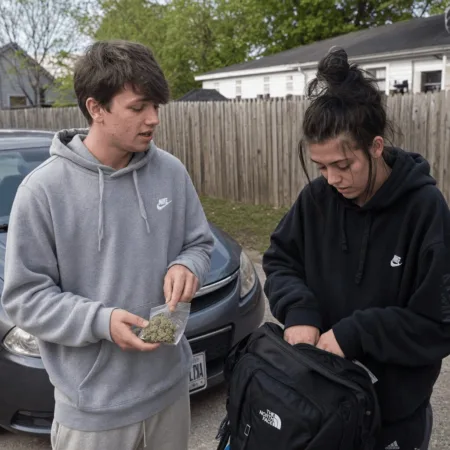
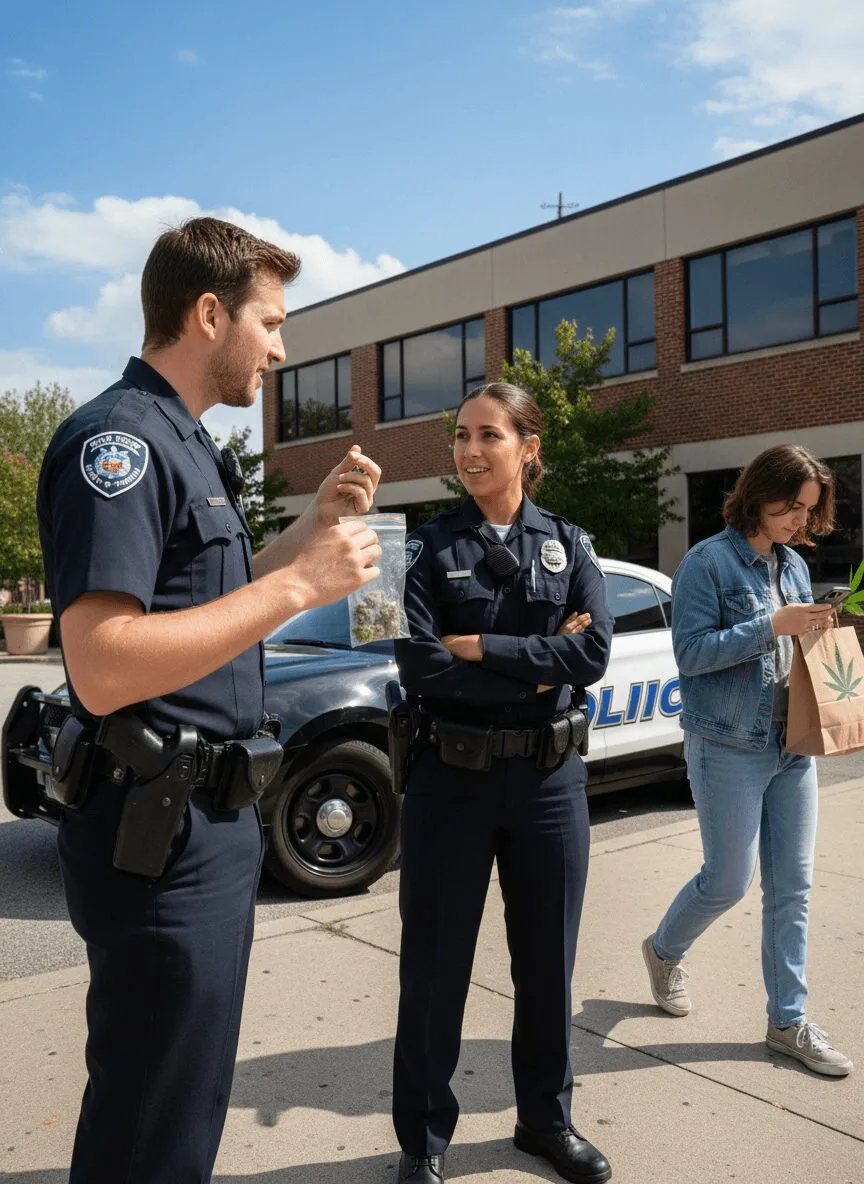
The latest city police calls offer a front-row seat to the way cannabis is moving from taboo to tolerated. According to the Republic News report from February 22, 2026, local officers responded to a handful of notable incidents. One call involved officers finding a small bag of cannabis buds during a routine stop outside the city police station—a classic example of how minor infractions show up in daily police work, similar to how local law enforcement tactics are evolving in the wake of high-profile drug busts, as discussed in a recent community safety review.
In another report, an individual was observed walking downtown with a paper bag boldly displaying a green cannabis leaf poking out—a sight that would’ve drawn instant arrest a decade ago but now largely results in warnings or citations, depending on the local code. Notably, all involved events were handled without escalation, reflecting a trend towards de-escalation and education rather than criminalization whenever possible.
These incidents demonstrate a shift in local law enforcement, with officers increasingly treating minor cannabis possession as a low-priority matter. City police calls now feature far fewer cannabis-related arrests than in the past, echoing larger national trends. As reported by Leafly, 2023 marked a significant drop in cannabis-related arrests, with even traditional holdout cities rethinking their approach to enforcement.
Expert Analysis: Cannabis, Culture, and Police Policy
So, what do these city police calls tell us about the culture at large? For one, they reveal that enforcement priorities are shifting. In the words of cannabis policy analyst Tom Angell of Marijuana Moment, “Police are realizing that the public no longer supports harsh cannabis penalties. The trend is toward education, not incarceration.” This sentiment is echoed by groups such as Marijuana Policy Project (MPP), who point out that every well-documented city police call related to cannabis is an opportunity to refine policy and keep up with the times. These shifts in enforcement also highlight important legal and policy debates, like those raised in current discussions about potential dangers of marijuana rescheduling.
Industry leaders argue that these ongoing reports also offer valuable data for reformers working to improve both public health and criminal justice. CannaLaw partner Hilary Bricken says, “Each call is a pulse-check on how well reform is working on the ground.” According to Canna Law Blog, tracking these routine interactions can highlight persistent challenges and successful adaptations, which is crucial intelligence for advocates and city officials alike.
At the end of the day, the broader trend is about normalization. As people get more used to seeing cannabis in daily life, stigma continues to fade, and calls involving cannabis are increasingly handled like any other low-level infraction, if they’re pursued at all.
Outlook: Progress, Community, and Growth Ahead
Looking ahead, the future of city police calls is tied directly to the relentless march of cannabis reform. As more states and cities loosen restrictions and launch public education campaigns, expect these calls to keep fading into the background—replaced by more nuanced discussions of equity, health, and responsible use. According to a Brookings Institution analysis, social acceptance is at an all-time high, and legal clarity is improving nationwide.
For cannabis advocates, that’s exciting. It’s proof that years of pushing for reform have created systems that prioritize community well-being over outdated drug war mentalities.
What’s next? Innovation, smarter enforcement, and maybe even a day when city police calls about cannabis are mostly a thing of the past. Progress is happening—and with it, a more just and open society is coming into view.
Originally reported by: therepublic.com