






Let’s be real—recreational cannabis legislation is all anyone’s talking about at state capitols this year. With shifting cultural tides and the undeniable momentum of market growth, policymakers are rethinking old-school assumptions at record speed. Now lawmakers are taking action in totally unexpected ways, upending the conversation, and giving advocates (like yours truly) plenty of hope. This piece uncovers why recreational cannabis legislation demands your attention, reveals the latest moves inside government hallways, and breaks down what it all means for everyday folks, industry pros, and the wider weed-friendly nation.
Understanding the Evolving Landscape of Recreational Cannabis Legislation
The regulatory landscape for recreational cannabis legislation has transformed dramatically in just a few years. Once an untouchable subject, it’s now front and center across state legislatures. According to Pew Research, more than 88% of Americans support some form of cannabis legalization. These changing attitudes have ignited new policy debates, with lawmakers weighing not only economic benefits, such as billions in tax revenue, but also addressing social justice issues stemming from decades of cannabis prohibition. Major regulatory advancements in places like Colorado and Illinois show how legalization can reshape both state economies and criminal justice priorities. For example, the increased attention on illicit operations signals the evolving enforcement challenges, as seen in recent news about significant marijuana seizures, which you can learn more about in the article on what’s really going on in Weld County’s marijuana busts. Meanwhile, federal uncertainty, thanks to ongoing bills in Congress, means states remain laboratories for progress. This creates a feverish climate where each lawmaker move on recreational cannabis legislation is scrutinized nationwide.
Key Developments & Hot Issues in Recreational Cannabis Legislation
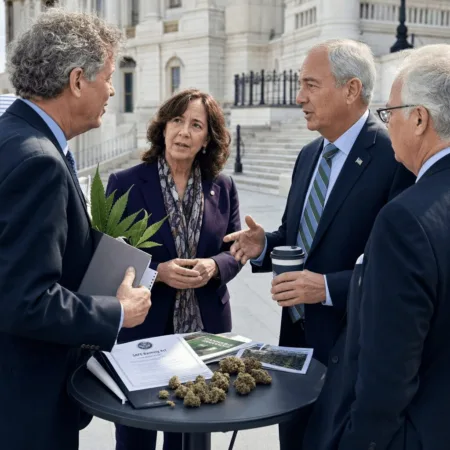
In a bold twist, lawmakers in West Virginia are actively weighing new proposals that could shake up recreational cannabis legislation in the Mountain State. According to recent coverage by WCHS-TV News, two separate bills are making waves this session. The first aims to legalize recreational cannabis outright, letting adults over 21 possess, use, and even grow small quantities. But that’s not all, the second bill is pushing to reclassify marijuana as a Schedule IV substance, a massive shift from its current, more restrictive status. Lawmakers debated these measures in a spirited session on March 27, 2024. Key voices on both sides weighed in, with supporters highlighting the benefits of regulation and opponents voicing familiar concerns about community impact. As of early April, both bills remain under committee review. Notably, West Virginia’s efforts echo growing momentum seen in Maryland and New York, where similar recreational cannabis legislation initiatives have recently been discussed, and parallels can also be observed when considering how dispensary openings face delays and regulatory hurdles, such as those at the Bridgehampton Carvel Cannabis Dispensary. These actions, as reported by Marijuana Moment, mark a broader trend in legal markets.
Expert Analysis, Insights & The Pro-Cannabis Perspective
Let’s break it down: these latest moves in recreational cannabis legislation are more than just political theater. They’re a sign of the times. State policymakers are waking up to the obvious, prohibition doesn’t work and people want sensible, regulated access. As Leafly News expert Bruce Barcott said, “Legalization leads to fewer arrests, safer communities and better economic outcomes for everyone.” Advocates point out additional benefits: tax windfalls, job creation, and a boost to local business. The spark in community engagement and industry growth can be seen first-hand through industry conferences, offering insights on where things are heading, which you can explore in this detailed look at the cannabis industry conference. As we’ve seen in Illinois and California, recreational cannabis legislation can foster healthy industry competition and invest millions back into communities most affected by decades of criminalization, as cited by the National Organization for the Reform of Marijuana Laws. Of course, debates persist, with some lawmakers remaining cautious about regulation logistics and health impacts. Still, the evidence from established markets is overwhelmingly positive, showing safer products, lower crime rates, and, yes, more chill citizens all around.
Looking Ahead: Recreational Cannabis Legislation and What Comes Next
The road ahead for recreational cannabis legislation is paved with promise—and challenges. But let’s not kid ourselves; the arrow points in one direction: forward. With bipartisan support growing and state-by-state experimentation driving best practices, more states are likely to follow in West Virginia’s bold footsteps. The data speaks for itself: regulated cannabis markets mean safer consumption, increased tax revenue, and fewer outdated arrests. According to Cannabis Business Times, the majority of Americans now live in states where some form of legalization has arrived. Here’s to a smarter, fairer, and more vibrant industry for everyone as recreational cannabis legislation keeps breaking new ground!
Originally reported by: wchstv.com


1 Comment
Pingback: NYC Cannabis Tax Increase: Why Insiders Warn of Higher Surges