


Ouray County cannabis downturn: What’s behind the decline?
If you’ve ever walked through a once-bustling dispensary and noticed more echoes than chatter, you’re not alone. The Ouray County cannabis downturn isn’t just local gossip—it’s a stark shift that’s rippling through Colorado’s most scenic corners. With recent news spotlighting shrinking revenues and shuttered dispensaries, this story matters for anyone tracking cannabis industry highs (and lows). In this deep dive, we’ll explore market conditions, regulatory snags, and economic forces all fueling the Ouray County cannabis downturn—and what they spell for the local scene.
Understanding the Cannabis Scene: Market Forces and Regulatory Backdrop
The first thing to know about the Ouray County cannabis downturn is that Colorado’s cannabis sector, since legalization in 2012, has become a template for both triumph and turbulence. Early years saw profits soar, fueled by pioneering state laws (see Colorado Department of Revenue), an influx of out-of-state enthusiasts, and a rush of new dispensaries eager for their green slice. But markets grow up. Competition has intensified as more states open up; Leafly reports that oversaturation, pricing wars, and evolving consumer preferences have squeezed margins. Regulatory shifts, including stricter testing mandates and local moratoriums, have made business expensive. Mix in broader economic headwinds, as ongoing debate about cannabis public health and regulatory tightening affect the market overall, and a subtle shift in community attitudes about “the weed boom” and you get a recipe for the Ouray County cannabis downturn.
From Boom to Gloom: Key Developments in Ouray County’s Cannabis Decline
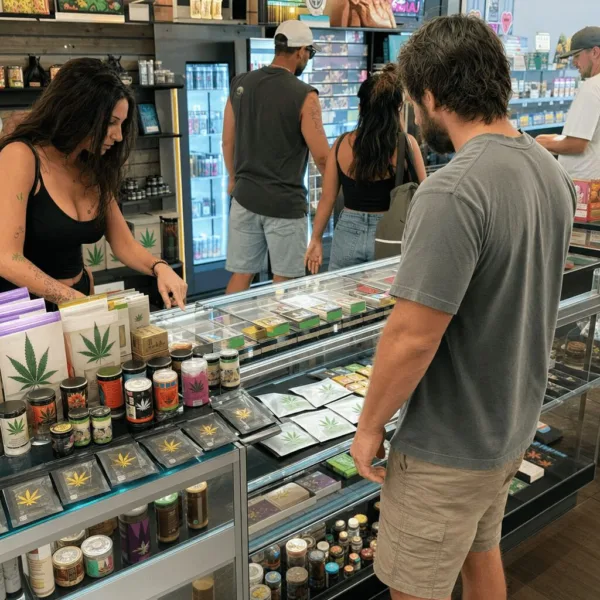
Ouray’s dispensary scene was once hailed as a cash cow, with small storefronts bustling and tax dollars rolling in. According to recent coverage in the Ouray County Plaindealer, flagship dispensaries such as Bloom, which for years set the local industry pace, have faced sharp downturns in customer traffic and sales since mid-2023. This mirrors the difficulties faced by other cannabis businesses nationwide, like when high-profile marijuana grow operations have been exposed and shuttered. Sales data through late 2023 revealed a double-digit revenue drop, with local officials confirming a decrease in cannabis-derived tax receipts. Industry insiders pin this on a mix of factors, including statewide price compression, loss of tourism during slow shoulder seasons, more stringent compliance checks since Amendment 64 enforcement updates (Colorado Marijuana Enforcement Division), and nearby counties adopting their own dispensary ordinances. As of February 2024, at least one Ouray dispensary had closed its doors, with others reporting deep cuts in staff hours and inventory. Local authorities and business owners both attribute this collective stress to a convergence of marketplace fatigue and regulatory drag, painting a complex picture of the Ouray County cannabis downturn.
Lessons from the Field: Expert Analysis and Insights
So, what does the Ouray County cannabis downturn really mean? Let’s keep it real, cycles of boom and bust are old news in emergent industries, but cannabis feels the crunch extra hard with every shift in law or demand. Similar to trends observed in other counties where marijuana policy changes signal shifting attitudes, these impacts are wide-reaching. According to MJBizDaily, Colorado’s cannabis market is “maturing, fast, creating a new normal where only the agile survive.”
Industry veterans note that consolidation, smarter regulations, and savvy branding will drive the next phase. “These shakeouts separate the real cultivators from the quick-buck crowd,” says Amanda L., a longtime Colorado dispensary operator, quoted in Leafly. Wider supply, weaker demand, and evolving consumer tastes continue to reshape rural business models. The ongoing changes in Ouray County reflect what’s happening across other mountain towns: local policies, tourism, and regional price wars all intersect to turn yesterday’s gold rush into today’s hustle. Looking at the national landscape, recent debates about CBD product bans show how quickly the regulatory landscape can impact communities and businesses alike.
Looking Ahead: Hope on the Horizon for Ouray and Cannabis Communities
While the Ouray County cannabis downturn feels like a tough hit, there’s reason for optimism. Many entrepreneurs are doubling down on quality, customer experience, and local relationships to rebuild loyalty. State regulators have hinted at potential tax relief or streamlined testing, as seen in other competitive states (NORML). Meanwhile, normalization and broader acceptance mean the cannabis conversation isn’t going anywhere. Ouray’s recent struggles are just one chapter in a much larger story—one where resilience, adaptation, and a bit of that legendary mountain grit are poised to lead the comeback. Because in the world of cannabis, the only thing more reliable than market swings is the community’s determination to keep growing.
Originally reported by: ouraynews.com