
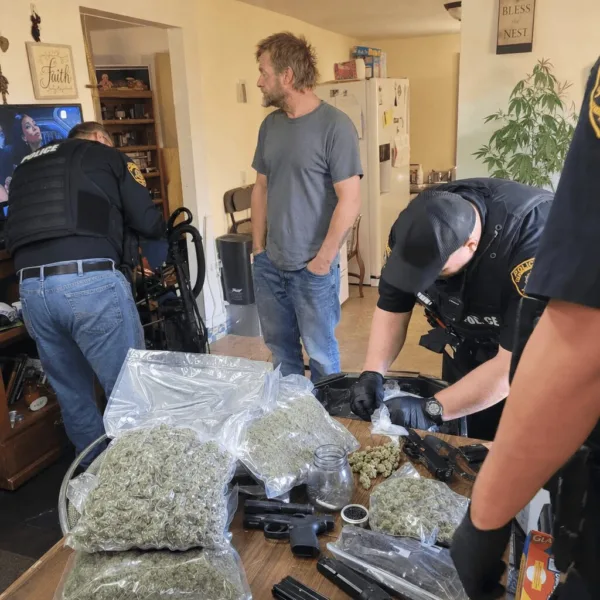





Police Support Marijuana Rescheduling: Real Reasons Explained
The debate around cannabis reform is hotter than ever, but this week a new voice entered the chat: law enforcement. As more headlines emerge showing police support marijuana rescheduling, it’s clear America is witnessing a shift nobody expected a decade ago. With the DEA weighing federal rescheduling and states rolling out their own policies, understanding why some officers back these changes reveals the future of cannabis—and the real-world impact it could have on communities, justice, and public safety. Let’s untangle the facts, the reasons, and what’s coming next for this green revolution.
Unpacking the Shift: Why Police Are Getting Behind Marijuana Rescheduling
To really get why police support marijuana rescheduling, you’ve got to look at the shifting regulatory landscape. Since the 1970s, cannabis has been a Schedule I drug under the Controlled Substances Act (CSA), meaning it was classified as having high potential for abuse and no accepted medical use. Over the last decade, however, more than 30 states and Washington D.C. legalized some form of medical cannabis. Recreational sales are booming in over 20 states. Industry reports reveal the legal cannabis market hit $34 billion in 2023 with projections soaring even higher in coming years. Recent state-level developments such as the opening of new medical marijuana dispensaries in Kentucky highlight how rapidly the market is expanding and how local communities are adapting.
Police Support Marijuana Rescheduling: What’s Really Happening?
So, what sparked headlines about police support marijuana rescheduling? According to Marijuana Moment, the recent recommendation from the Department of Health and Human Services for the DEA to move cannabis from Schedule I to Schedule III has set off major debates nationwide. What’s wild is that organizations like the Law Enforcement Action Partnership (LEAP), made up of current and former police, prosecutors, and judges, have openly supported the move.
- 2024: The Biden Administration asked the DEA to formally review marijuana’s schedule under federal law, prompting conversations similar to how debates unfolded around recent reform efforts in Kansas.
- LEAP, along with some police unions and career officers, are on record stating that rescheduling marijuana would free up police to pursue serious offenses and reduce public distrust.
- The Fraternal Order of Police, the country’s largest police union, has also signaled cautious openness, if changes lead to smarter resource allocation and job safety.
- State and federal policymakers have noticed the shift and begun referencing these law enforcement perspectives in debates about federal rescheduling, much like policymakers consider community responses during high-profile incidents such as the Reno County fatal crash and its wider cannabis context.
According to Pew Research, this surprising support has even begun changing public opinion and prompting deeper discussion about true criminal justice reform.
Expert Insights: What This Shift Means for Cannabis and the Community
So, why do so many cops, once known for busting weed smokers, now support rescheduling? A growing number see it as a chance to improve community trust and re-focus law enforcement on violent crime. When police support marijuana rescheduling, they’re not just chasing a political trend, they’re responding to real-world demands.
Steven Downing, a retired Los Angeles police deputy chief and advisory board member for LEAP, puts it sharply: “When police are pulled into enforcing outdated marijuana laws, it damages our credibility… Moving marijuana to Schedule III just makes sense if you care about real community safety” (source).
Industry experts agree. Policy watchers at Hawaii have highlighted how shifting laws may remove unfair barriers to medical research, while rescheduling could also eliminate draconian penalties that disproportionately impact families of color. The move would also mean state-legal businesses may finally get tax relief and access to essential services, as highlighted in recent coverage.
The broad consensus? Police support marijuana rescheduling now because communities want a modern approach—a shift grounded in public health, fairness, economic sense, and actual safety.
The Road Ahead: How Police Support Marijuana Rescheduling Is Shaping Tomorrow
The bottom line? The sight of police support marijuana rescheduling is a sign that cannabis reform has hit the mainstream. Federal and state governments are being nudged by a combination of market realities, science, and a more open-minded police force. According to Brookings Institution analysis, momentum is on the side of reform, and each new endorsement—from law enforcement or otherwise—strengthens the path forward.
As regulatory frameworks evolve, expect broader access, smarter enforcement, and even stronger industry watchdogs keeping businesses in check. Police support marijuana rescheduling not just because it’s trending, but because prioritizing safety, equity, and economic reality moves society forward. If this isn’t proof the cannabis future is blazing bright, I don’t know what is.
Originally reported by: marijuanamoment.net


1 Comment
Pingback: Oklahoma medical marijuana shutdown: What happens next?