



What You Must Know About Marijuana Open Container Law
The cannabis world isn’t just about new strains and dispensary deals—it’s navigating laws that can trip up even the savviest consumer. Right now, the marijuana open container law is making headlines, especially for drivers and everyday folks who carry cannabis. States across the country are tightening and clarifying their rules, blending old-school liquor laws with the budding cannabis scene. This matters if you’re carrying legal marijuana in your ride or just want to stay on the right side of the law. We’ll break down what the marijuana open container law covers, highlight recent legal shifts, and offer sharp insights on how these changes might impact your next cruise around town. Buckle up, we’re covering important ground for cannabis users and advocates everywhere.
Understanding the Background: How Cannabis and Open Container Laws Collide
Let’s rewind, open container laws first hit the road to curb alcohol-related accidents. With cannabis legalization gaining real traction nationwide, lawmakers saw a gap. Many states, including Oklahoma and California, noticed folks transporting cannabis in their cars weren’t always clear on what’s legal—and what would land them a hefty fine or worse (NORML). New regulations are designed to make sure marijuana is handled with the same caution as alcohol, with keen eyes on public safety and preventing impaired driving. This means unsealed cannabis products—even the leftovers from an infused brownie—can’t just ride shotgun. There’s real tension: balancing personal cannabis freedom, responsible use, and public safety. States also vary wildly on enforcement, legal definitions, and penalties for violating the marijuana open container law. Social attitudes about driving with cannabis are rapidly evolving, as seen in recent studies on cannabis legalization and its impact on everyday life. Still, the rules are stricter than many realize (Pew Research Center).
The Latest: Legal Updates and Key Issues in Marijuana Open Container Law
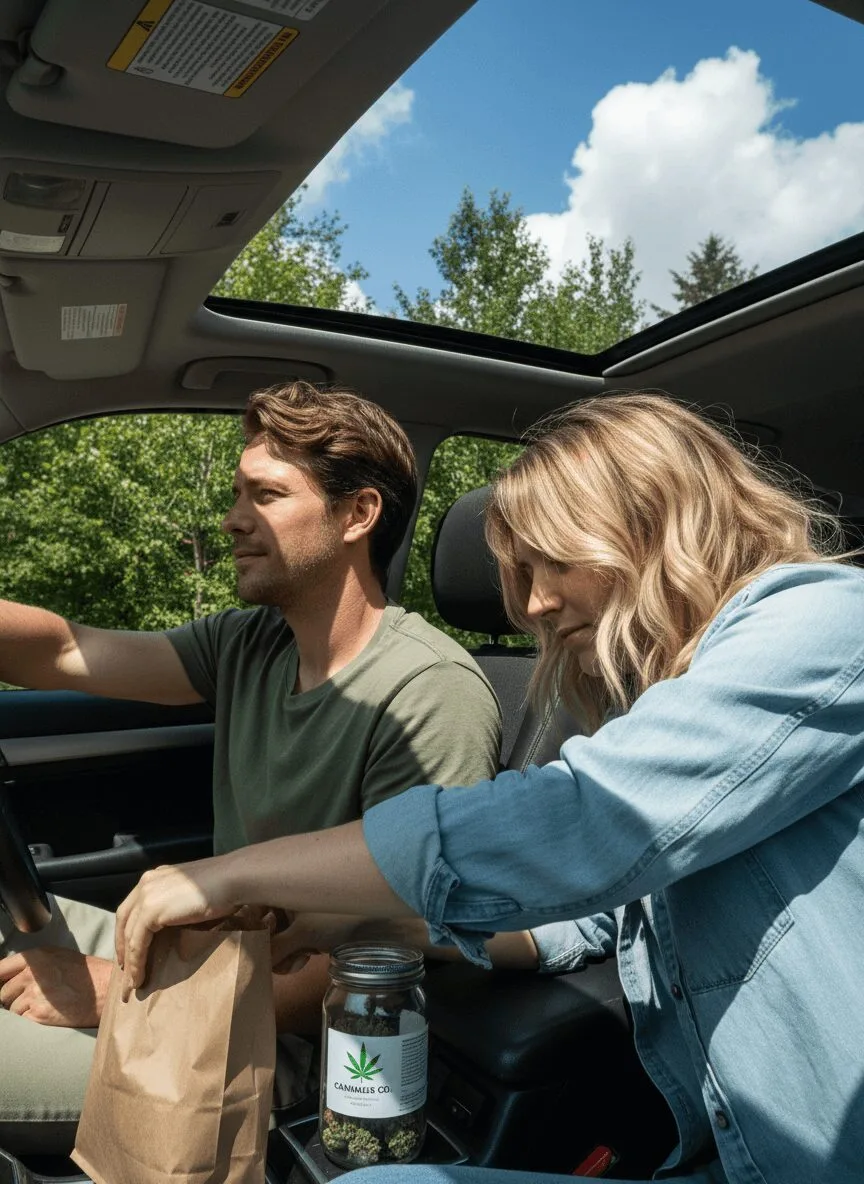
Recently, Oklahoma made headlines updating its open container law to include legal marijuana (Paul’s Valley Democrat). As of the latest amendment, it’s now illegal to travel with an opened or accessible cannabis container in any passenger compartment of a vehicle. This mirrors longstanding liquor bottle restrictions. According to the new regulations, any cannabis product—if it’s unsealed or its packaging has been breached—must be stashed in the trunk or a locked glove box, out of reach for anyone in the car. Law enforcement can issue citations on the spot, similar to open alcohol violations. These changes bring Oklahoma in line with states like Illinois and California, both with explicit marijuana open container laws. For Oklahoma medical marijuana patients, the updated law is no joke. Any violation—even with the right paperwork—means facing stiff fines or worse. Given the ongoing arrests and legal disputes in different counties, such as recent weekly cannabis-related arrests in Laramie County, authorities stress the goal isn’t targeting responsible adults, but cracking down on potential impairment behind the wheel. Yet the law’s nuances, like what counts as “resealed” or how edibles are treated, fuel public confusion and debate. Expect more states to follow Oklahoma’s template as federal reform advances, and as highway safety campaigns heat up.
Expert Analysis: What Do Industry Leaders and Advocates Say?
Let’s be real, no one wants to see the green boom derailed by technicalities. Cannabis advocates point out that most consumers are law-abiding, community-minded folks who just want clarity. These new marijuana open container laws are a classic case of regulators playing catch-up with culture. As Leafly Senior Editor Bruce Barcott puts it, “Treating cannabis like alcohol just makes sense as a starting point, but laws should avoid criminalizing patients and responsible adults. Not all open containers mean someone’s getting lit behind the wheel.” Industry insiders warn that without clear guidelines and plenty of public education, even veteran users might fall into legal traps. According to MJBizDaily, there’s mounting pressure for lawmakers to define what constitutes an “open container”—especially as product packaging evolves and more Americans hit the highway with legitimate, regulated cannabis. The consensus: Aligning cannabis and alcohol rules feels logical, but policies need nuance, flexibility for patients, and strong legal safeguards against over-policing. States are also urged to invest in awareness campaigns, with recent reports by Americans for Safe Access highlighting how good public education leads to higher compliance and safer roads. In this context, surprising details have emerged, like the reality surrounding neighborhood cannabis arrests, emphasizing the challenge of fair enforcement. Transparency and dialogue are key as these laws roll out.
Future Outlook: A Greener and Clearer Road Ahead
The evolution of the marijuana open container law shows the cannabis industry is maturing—and so are the rules. As legalization spreads and social acceptance blooms, expect more standardized, user-friendly policies. More states will likely streamline regulations, learning from early adopters’ missteps and public feedback. Every new law brings tension—sometimes even frustration—but it’s also a sign the cannabis sector is gaining legitimacy on the road and in society. With higher industry standards, smart consumer education, and advocacy, both safety and access can thrive together. According to the latest coverage from Law360, industry leaders are optimistic: ongoing dialogue will lead to balanced laws that respect both public safety and patient needs. Stay tuned—the next chapter in marijuana open container law is just getting started.
Originally reported by: paulsvalleydailydemocrat.com