Zapata County drug arrest: Shocking Raid Uncovers THC and Cocaine
The Zapata County drug arrest has made waves in both the cannabis and local law enforcement communities. In a state where cannabis regulations remain tight and attitudes vary, this event offers a glimpse into shifting policy debates and underscores the stakes for everyone—from seasoned advocates to grassroots families. As authorities seize both THC cartridges and cocaine, the Zapata County drug arrest brings renewed urgency to conversations about regulation, enforcement, and the growing presence of cannabis products in unexpected places. Let’s dive into what happened, why it matters, and what it signals for Texas and the larger cannabis industry.
Texas Cannabis Laws: The Lay of the Land
To fully grasp the Zapata County drug arrest, we need to zoom out on Texas’s complex regulatory scene. Texas remains one of the strictest states regarding both recreational and medical cannabis, with only low-THC medical programs (Texas Health and Human Services) and little tolerance for unlicensed distribution. Lawmakers have occasionally flirted with decriminalization, but high-profile incidents like this remind us that local and state enforcement still take a hardline approach, especially in counties bordering Mexico. Meanwhile, advocates keep pointing out that inconsistent enforcement and patchwork rules leave many unsure where risk ends and reform begins. According to the Marijuana Policy Project, local attitudes are in flux, with an uptick in Texans supporting broader access, yet law enforcement is doubling down on zero-tolerance in many rural regions. For a deeper perspective on how policy missteps elsewhere have offered lessons for reform, it’s instructive to consider Canada’s medical cannabis policy pitfalls and the essential lessons revealed. In this context, the Zapata County drug arrest is more than a single headline, it’s part of a wider tug-of-war between Texas’s evolving cannabis culture and legacy laws.
The Zapata County Drug Arrest: Facts and Fallout
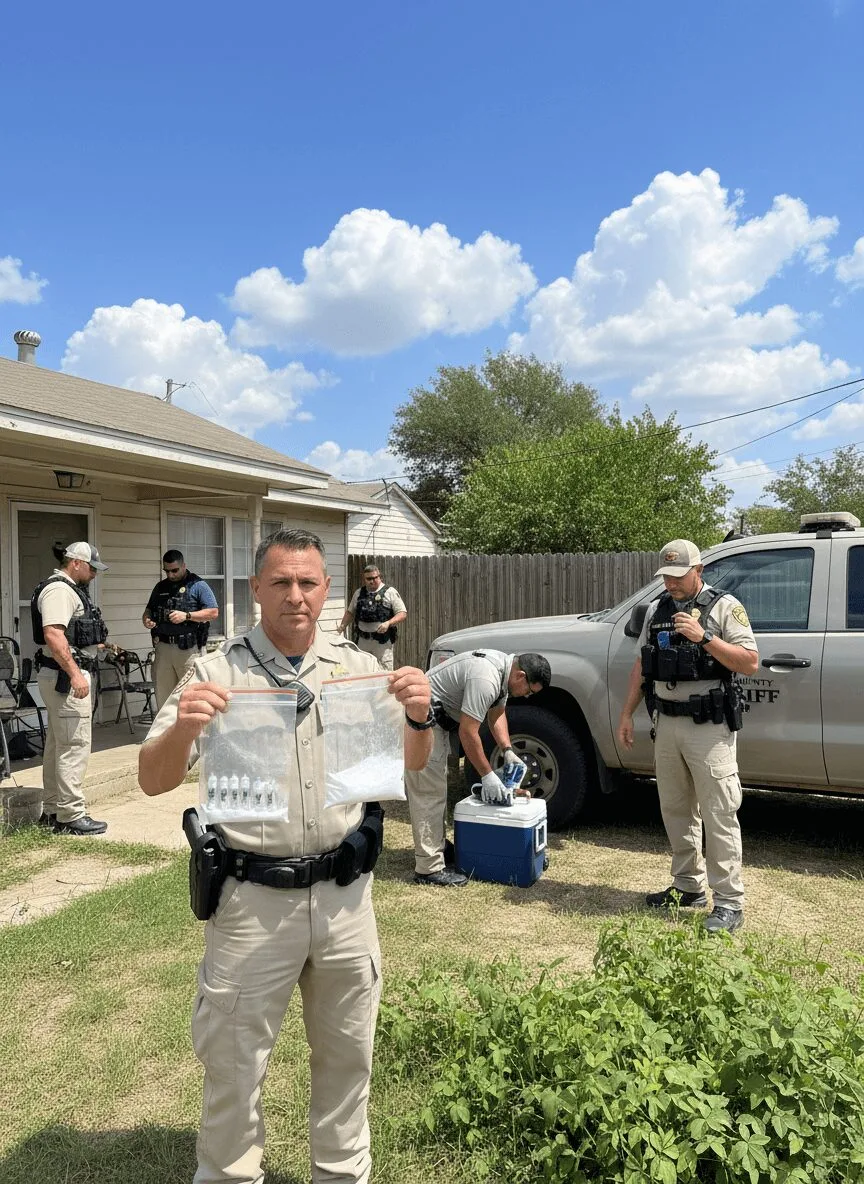
On February 7th, according to KGNS News, Zapata County Sheriff’s deputies executed a surprise raid on a modest home in the county’s west end. The officers seized a haul including multiple transparent bags of THC vape cartridges, some with printed cannabis leaf motifs, alongside several smaller bags of what tests later confirmed as cocaine. The operation, coordinated with the Texas Department of Public Safety, led to one arrest, with the suspect now facing felony charges for possession of controlled substances. Officials emphasized that even seemingly small cannabis infractions can trigger extensive law enforcement action under current Texas statutes. For a glimpse at how enforcement priorities and battles over public safety are playing out in other jurisdictions, one can look at the continued debate following the major drug trafficking bust in Florida that sent shockwaves through the cannabis community. This Zapata County drug arrest has reignited debate about police resources, shifting drug trends, and the boundaries of criminal versus public health responses.
Insights from the Field: What This Means for the Industry
Let’s get real, the Zapata County drug arrest is a snapshot of a much bigger paradigm shift. THC cartridges, a staple in legal markets across many U.S. states, remain a risky play in Texas. But with the surge in demand and availability, law enforcement is caught in the middle. As industry analyst Dan Rowe told Marijuana Moment, “Each high-profile cannabis arrest in prohibition states reminds everyone how much reform is still needed, and how enforcement lags behind consumer preferences.” Cannabis advocates in Texas also note that aggressive policing may actually hinder public safety by keeping markets underground, where product quality can’t be verified. It’s a concern echoed in regions facing new restrictions, such as the recent THC crackdown in South Carolina and its impact on everyday citizens. The Zapata County drug arrest highlights why responsible regulation and targeted oversight are better solutions than blanket crackdowns.
Looking Forward: Reform, Responsibility, and Hope
Despite incidents like the Zapata County drug arrest, momentum in Texas points toward gradual reform. As reported by The Texas Tribune, public opinion is shifting, the medical program is slowly expanding, and lawmakers may face increasing pressure to reconcile enforcement with broader trends. As more states move to legalize and normalize cannabis, experts predict Texas can’t remain an island of prohibition forever. The Zapata County drug arrest is a reminder that, while stigma and legal hurdles remain, the cannabis industry and its advocates continue to push for smarter, safer, and more inclusive policies. That’s good news for consumers, communities, and a fairer industry ahead.
Originally reported by: kgns.tv