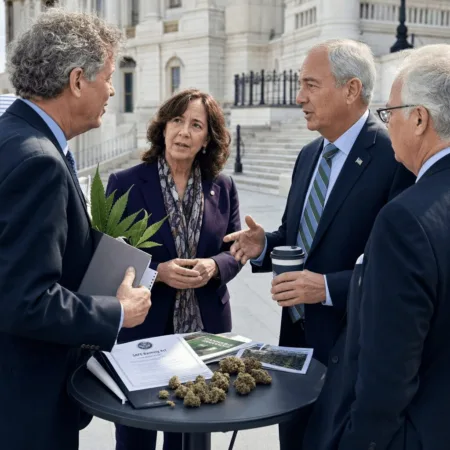





Colorado psychedelic therapy bill: Lawmakers push for fast-track access
Grab your favorite edible—Colorado is about to shake up how we think about mental health care. Right now, the Colorado psychedelic therapy bill is making headlines and fueling conversations statewide. It blends cutting-edge mental health trends, the state’s progressive cannabis roots, and a dash of policy drama. If passed, this bill could set a powerful precedent for psychedelic access in America. Let’s break down what’s happening, why lawmakers are fired up, and how this could level up the entire cannabis and psychedelic medicine scene.
The Evolution of Psychedelic and Cannabis Regulation in Colorado
Colorado is no stranger to trailblazing when it comes to drug policy. The state famously became one of the first to legalize adult-use cannabis, leading the way for legalization across the U.S., as tracked by NORML. Since then, the conversation has shifted towards broader plant medicine and therapeutic rights. Regulatory shifts have mirrored social momentum, with Colorado voters passing Proposition 122 in 2022 and outlining paths for regulated medical use. This new Colorado psychedelic therapy bill rides the wave of that change, echoing similar milestones set in other states where dispensaries play a role in normalization, like when a municipality demonstrates forward-thinking policy by opening its first cannabis dispensary, setting a standard for others—an example can be seen here.
Opposition remains, too. Some advocacy groups and lawmakers worry about safety, medical oversight, and federal pushback. But support for expanded therapeutic access has surged, and responsible frameworks are the mantra of leading industry voices. According to the Colorado Department of Regulatory Agencies, emerging legal frameworks aim to prioritize patient safety and public health while allowing for innovation in therapy models.
The Big Moves, What’s Really in the Colorado Psychedelic Therapy Bill?
On the legislative front, the Colorado psychedelic therapy bill proposes a fast-track route for health care professionals to prescribe FDA-approved psychedelic therapies outside of traditional clinical trials. Lawmakers are responding to mounting evidence around psilocybin’s role in treating depression and PTSD—think of Johns Hopkins’ research and FDA’s breakthrough therapy designations, plus a groundswell of patient demand, as covered by CBS News Colorado.
House Bill 1346 is the heart of the action. Sponsor Rep. Judy Amabile points to mental health emergencies faced by Coloradans and insists the legislation could provide access before federal rescheduling shakes out. As we witness bold moves to legalize recreational marijuana in other states, evidenced by substantial steps like those toward new regulatory frameworks, this mirrors a pattern covered here in a different jurisdiction. If passed, Colorado would join a growing number of states experimenting with medical psychedelics, but would be the first to specifically legislate a fast-track for FDA-approved psychedelic medicines. The bill prioritizes physician oversight and pharmaceutical-grade sourcing, pushing back against fears of uncontrolled or recreational misuse.
- Bill introduced, Spring 2024
- Covers, Fast access to FDA-approved psychedelics for PTSD, depression, and other treatment-resistant ailments
- Key sponsors, Rep. Judy Amabile, Sen. Steve Fenberg
- Targeted compounds, Psilocybin, MDMA (in future), and others as clinical data emerges
- Safeguards, Strict doctor involvement, age limits, data reporting
The Colorado psychedelic therapy bill has ignited passionate input from the medical community, patient advocates, and skeptics alike, ensuring a robust policy debate.
Industry Insight, Why Psychedelic Policy Is Cannabis 2.0
So, what makes the Colorado psychedelic therapy bill a seismic deal for the broader plant medicine movement? Let’s face it, Colorado’s progressive cannabis scene has paved the way for intelligent psychedelic reform. As Leafly experts report, the overlap between cannabis and psychedelic advocacy has created savvy, harm-reduction-centric policies with strong public health guardrails.
Dr. Bronwen Clune, a veteran Colorado psychotherapist and cannabis advocate, breaks it down, “Just like cannabis, psychedelics are pushing us to rethink what truly effective, patient-centric mental health care looks like. We need smart policy, Colorado’s showing how it’s done.” (Quote source, Psychiatric News.)
Also, consider parallel market research, according to Benzinga’s 2023 cannabis industry report, markets that embrace progressive regulation tend to see economic and health benefits. With changing trends in how consumers balance cannabis and alcohol consumption, like those highlighted here, the therapeutic trend is real, and patients are already seeking these treatments underground. Colorado’s bill formalizes legal access, reduces stigma, and opens up new opportunities for legitimate, safe healing practices.
What’s Next? Cannabis and Psychedelics on a Shared Path
The future for the Colorado psychedelic therapy bill is bright—though not without its challenges. If the proposal successfully passes, Colorado will reinforce its reputation as a pioneer in drug policy, just as it did with cannabis. The move promises new hope for patients and positions the state as a testbed for progressive, science-backed mental health solutions.
Regulators, advocates, and medical experts are watching closely. If successful, the bill could influence national debates and become a model for other states ready to overhaul their mental health care playbooks—blending the best of cannabis and psychedelic reforms. According to Marijuana Moment, Colorado’s collaborative approach to regulation continues to inspire sensible, health-first drug policy across the country. The vibe? Forward momentum, bigger dreams, and more access for patients in need. Stay tuned; Colorado’s just getting started.
Originally reported by: cbsnews.com