

Cannabis Beverages Alcohol Consumption: Game-Changing Study Revealed
The tide is turning for modern social drinking. As new research reveals, the rise of cannabis beverages is having a strong impact on alcohol habits—a trend impossible to ignore. If you’ve noticed fewer beer rounds at the backyard hangout, you’re witnessing this cultural shift in real time. With state lawmakers, beverage titans, and everyday drinkers all taking notice, the discussion around cannabis beverages alcohol consumption has never been more timely. Recent studies, shifting regulations, and growing curiosity are driving this fresh look at how and why people are swapping IPAs for THC seltzers. Let’s break down what’s really happening.
The Bigger Picture: Laws, Markets, and Shifting Attitudes
To understand today’s cannabis beverages alcohol consumption trends, you have to look at the big legal and social dominoes falling nationwide. States like Missouri and Illinois are racing to update their cannabis and hemp THC laws, while regulators try to keep up with the dizzying growth of the low-dose beverage segment. According to New Frontier Data, the cannabis beverage market topped $2 billion in sales in 2023, marking a seismic leap from just a few years earlier. Meanwhile, Pew Research reports that over 80% of Americans now back some form of legal cannabis access, softening the stigma and pulling infused drinks into regular happy hour conversation. For a practical glimpse at evolving regulatory models, Minnesota made headlines by opening its first municipally owned dispensary, a bold move that could inspire other markets to innovate (explore new public models here). This swelling of support is pressuring lawmakers to find the sweet spot between public safety, market innovation, and long-held alcohol industry interests. It’s an environment packed with opportunity, but also plenty of regulatory gray zones, especially regarding how cannabis beverages alcohol consumption plays into public health and policy debate.
New Findings: What the Latest Cannabis Beverage Study Means
A recent bombshell study out of Missouri, highlighted on Missouri Independent, shows clear evidence that cannabis beverages could be shrinking alcohol consumption among adults. Researchers found that people who swap a beer for a THC or CBD beverage aren’t just experimenting, they’re making sustained changes to their drinking routines. News coverage is quick to point out the parallels with New York’s rapidly evolving approach to licensing and regulating cannabis commerce, as shown by recent approval of cannabis licenses that are shaping industry standards elsewhere. This study arrives just as the Missouri legislature debates strict new rules that could shape the entire cannabis drinks sector statewide.
Companies mentioned in the report—like the rapidly expanding Keef Brands—are taking bold steps to stake their claim in this category. Regulators are now tackling thorny questions: What exactly counts as a “hemp-derived THC drink”? Should the same rules apply to nonalcoholic cannabis beverages and boozy beers? These answers will decide how wide open the legal door remains for products influencing cannabis beverages alcohol consumption. (For context, the first-of-its-kind legal review in Missouri was launched in February 2026, aiming to provide results and recommendations by summer.)
Expert Views: How This Shift Changes the Game
So, what does a drop in alcohol use mean for the cannabis industry, and for society? Veteran analyst Julie Weed notes, “The beverage format is lowering the intimidation factor for newcomers and destigmatizing cannabis socially.” Other experts suggest that cannabis beverages alcohol consumption could ease some of the long-term health burdens linked to heavy drinking, like liver disease and addiction, though they wisely urge ongoing caution and robust public education. As new brands launch nationwide, Willie Nelson’s national beverage line has been particularly noteworthy for shaking up public perceptions and inviting more mainstream interest in cannabis drinks (see how celebrity brands are changing the conversation).
“Choice is driving change,” adds High Times contributor and cannabis researcher Sam Becker. “Consumers want to customize their experiences, sometimes, that means swapping a few beers for a low-dose infused drink.” (Source: High Times)
Analysts stress, however, that state-by-state rules create a regulatory wild west. With every state charting its own path, business owners and consumers must stay alert. It’s a balancing act between innovation, responsible use, and smart oversight, all shaping tomorrow’s landscape for cannabis beverages alcohol consumption.
Looking Forward: What’s Next in Cannabis & Alcohol Crossroads?
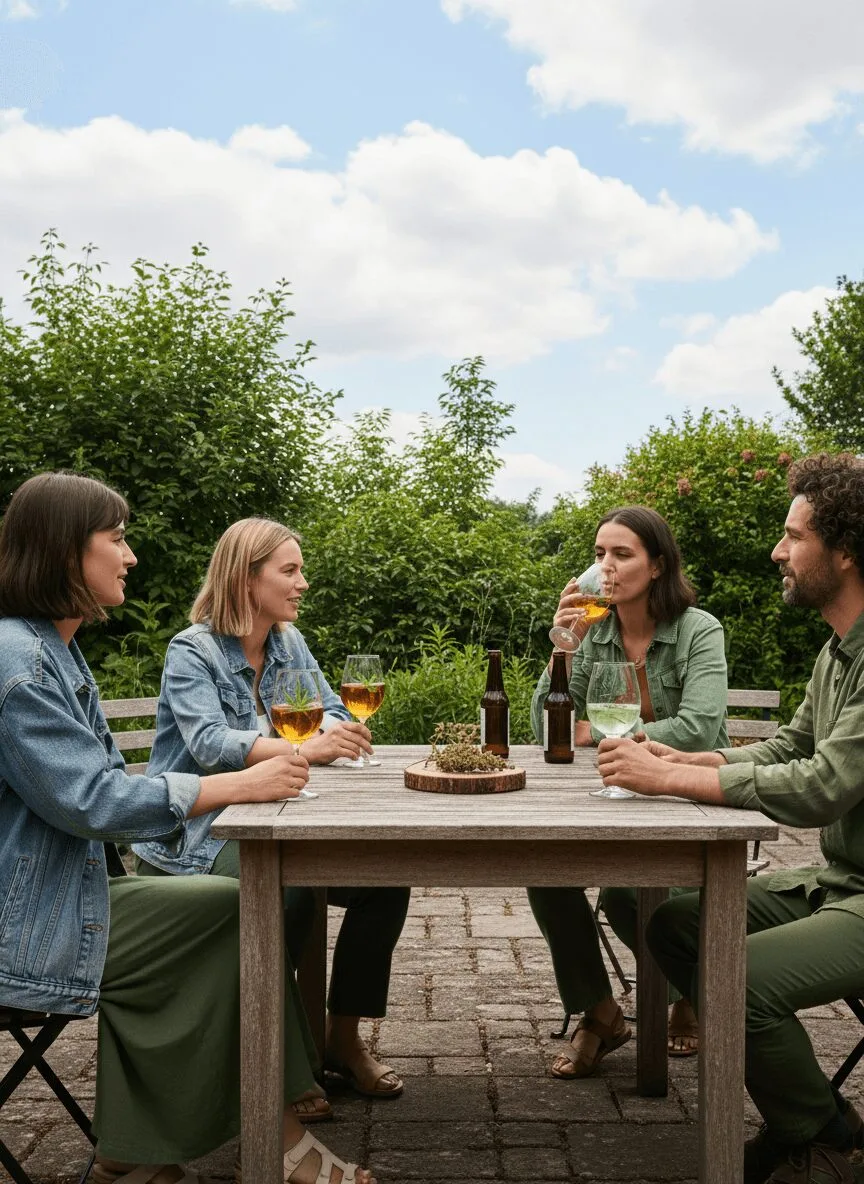
The writing is on the wall: cannabis beverages aren’t just a phase, and their impact on alcohol consumption is profound. As lawmakers, health experts, and consumers grapple with the data, it’s increasingly clear the “social drink” is being reimagined for a new generation. With trusted sources like MJBizDaily forecasting a continued rise in cannabis beverage sales through 2027, momentum shows no signs of slowing down. Regulators in states like Missouri may still fine-tune the details, but the appetite for choice, moderation, and more mindful drinking is undeniable. In short, cannabis beverages alcohol consumption is influencing wider acceptance and healthier norms—one patio toast at a time.
Originally reported by: missouriindependent.com