




Troy marijuana trafficking arrest: Full story & latest updates
Talk about the Troy marijuana trafficking arrest is spreading fast in both cannabis circles and local news. With cannabis laws changing across the country, stories like these keep the spotlight on how police, policy, and local communities deal with shifting regulations. This Troy case isn’t just an isolated bust; it reflects the friction and complexities that persist in the American cannabis landscape. We’ll break down what happened, why it matters right now, and what it might mean for both advocates and critics of cannabis reform.
Cannabis Enforcement in Troy: Law, Policy, and Social Context
Understanding the Troy marijuana trafficking arrest means knowing the unique legal patchwork of cannabis policies in the US. Federally, marijuana remains a Schedule I substance, but states like Illinois and others have legalized it for recreational and medicinal use. In contrast, Alabama—home to Troy—maintains strict cannabis laws. According to NORML, even small-scale possession can still mean hefty fines or jail. For industry insiders, this tug-of-war between state and federal rules leads to confusion, uneven enforcement, and ongoing stigma for cannabis users and entrepreneurs. The roots of this distrust between legal dispensaries and illicit sellers are explored further in an investigation into the black market and its implications for legitimate businesses. Importantly, social attitudes are rapidly evolving, with Pew Research data showing record-high support for legalization. But places like Troy still grapple with old-school enforcement, and that tension shows up in headlines and police activity.
Core Facts and Key Details in the Troy Marijuana Trafficking Arrest
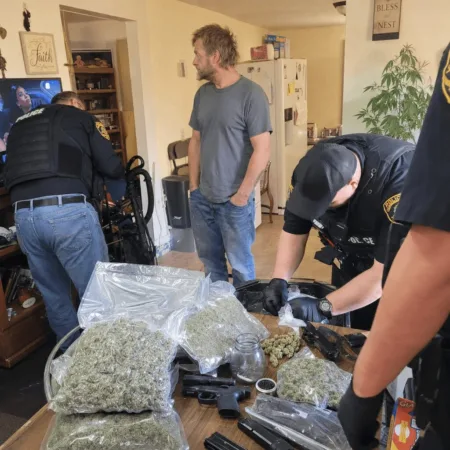
So, here’s how the Troy marijuana trafficking arrest went down: On February 5, 2026, Troy police officers detained a young local man, alleging marijuana trafficking based on evidence found during a routine stop in a residential neighborhood. According to WAKA News, officers found several clear bags with natural cannabis buds and marijuana leaves in a backpack near the suspect. The individual was charged under Alabama Code § 13A-12-231, which classifies trafficking at certain amounts as a felony. Police cited ongoing investigations of drug activity in the area as a reason for the increased patrol presence. The suspect’s name is withheld pending formal charges. Community members observed the police calmly interacting with the man along the street, with evidence plainly visible, a scenario echoing many similar incidents in restrictive states. For those curious about large-scale enforcement elsewhere, the details of a $1.5 billion marijuana bust in Oklahoma demonstrate how multistate operations are influencing policy discussions—see more details in how a major Oklahoma marijuana bust is shaking up the industry. As per The New York Times, law enforcement nationwide is still making tens of thousands of marijuana-related arrests yearly, even in states progressing toward legalization.
Expert Insights and Broader Cannabis Industry Trends
The Troy marijuana trafficking arrest shines a light on America’s cannabis contradictions. In the words of Leafly senior editor Bruce Barcott, “We’re living in a time when cannabis is legal business in one town and reason for jail time in another a few miles away.” The persistence of such arrests in places like Troy demonstrates ongoing disparities between cultural acceptance and policy reality. Experts agree: As more states reform, traditional policing approaches are increasingly called into question. For example, the delay in rescheduling marijuana has held back much-needed reforms, a situation with broad repercussions for both users and entrepreneurs as detailed in the marijuana rescheduling policy debate. According to the Marijuana Policy Project, states with legal access to cannabis have seen declines in arrests, tax windfalls, and even reductions in opioid-related deaths. The Troy case exemplifies why advocates push for education, harm reduction, and new legal frameworks, highlighting the need for a fairer, evidence-based approach, even in conservative areas.
Looking Ahead: Change on the Horizon for Troy and Beyond?
While the Troy marijuana trafficking arrest is making local waves, it stands as another flashpoint on the road to broader reform. Communities nationwide are having tough but productive conversations about cannabis—its risks, its merits, and its place in society. As more medical and recreational markets open every year, increased public support and major legal changes are on the horizon. Organizations like Drug Policy Alliance believe continued education and advocacy will erode outdated laws, even in places like Troy. For local advocates, every headline—no matter how negative—fuels the bigger push for regulatory sanity, social justice, and real industry opportunity. The road ahead is bright, and moves like these prompt hard questions but also drive lasting change.
Originally reported by: waka.com