


Oklahoma marijuana bust: Multi-state $1.5B weed raid exposed
Big things are happening in the cannabis world, and nowhere is that clearer than with the latest Oklahoma marijuana bust. As authorities seized an eye-watering $1.5 billion in cannabis, everyone from cultivators to policy experts is talking. The raid’s scale—spanning multiple states—underscores complex legal battles, heated conversations about regulation, and the fast-changing marijuana marketplace. If you’re tuned into the cannabis scene, this bust is a moment you can’t ignore. We’ll break down what happened, what it means, and where things could go from here.
Why Oklahoma Became the Hotspot: The Legal, Market Backstory
To understand the Oklahoma marijuana bust, you’ve got to know why the Sooner State is a magnet for cannabis entrepreneurs. Since 2018, Oklahoma has operated one of the most open medical marijuana frameworks in America, with thousands of licensed growers and minimal residency restrictions, according to the Marijuana Policy Project. License fees are reasonable, and regulatory hurdles are fewer than in places like California or Colorado. The result? A ‘Wild West’ boom bringing rapid industry growth, low barriers to entry, and, inevitably, an influx of out-of-state operators. This openness, though, brought its own challenges: regulatory agencies struggle to keep up with inspections, while criminal enterprises saw an opening in Oklahoma’s lax oversight, notes NORML. Socially, Oklahomans are divided; some see economic revival in rural counties, while others worry about crime and unsanctioned grows. This dynamic is not unique, as regulatory, enforcement, and public opinion debates have rattled other states—just consider how medical marijuana issues affecting patients and policy in Pennsylvania have surfaced in recent years. The stage was set for something significant, and that’s exactly what happened with the Oklahoma marijuana bust.
Inside the Bust: Details, Dates, & Key Players
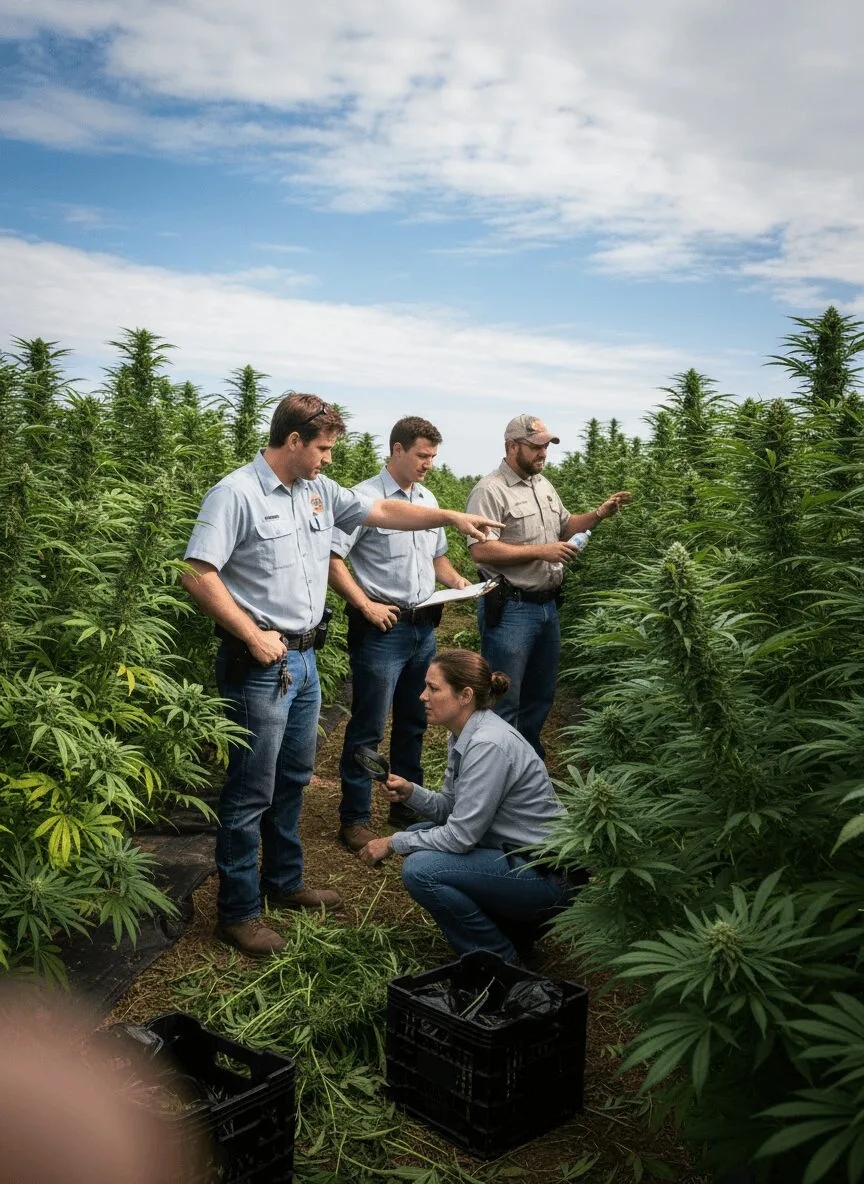
This Oklahoma marijuana bust isn’t your typical local raid. According to KOSU, it involved coordinated efforts across state lines, making headlines nationwide on February 5, 2026. Authorities, led by Oklahoma’s Attorney General Gentner Drummond, targeted multiple large-scale cannabis farms accused of illegal operations. The crackdown swept up more than 300,000 marijuana plants—valued at a staggering $1.5 billion. These farms are now under investigation for allegedly operating with falsified documentation and links to criminal organizations outside Oklahoma. Law enforcement’s strategy included helicopters, drones, and dozens of troopers, racing against the possibility of marijuana being trafficked beyond state borders—which is a federal offense. Not only were growers impacted; several logistics companies and distributors were also named in ongoing asset freezes and legal filings. The Oklahoma Bureau of Narcotics and Dangerous Drugs Control reported working side by side with authorities in Arkansas and Texas to highlight the operation’s wider regional importance. This event is not an isolated enforcement action; similar law enforcement responses have recently rattled other local communities, like the Lower Burrell vape shop raids, shaking up both the local supply chain and the national conversation about compliance and policy priorities. This is the largest Oklahoma marijuana bust to date, and its effects continue to reverberate across the state and beyond.
Expert Insights: What the Oklahoma Marijuana Bust Means for the Industry
Everyone in the biz has an opinion on the Oklahoma marijuana bust, and for good reason. This event highlights persistent tensions between those working to build transparent, above-board businesses and authorities aiming to eliminate illegal operators. Industry experts, such as Leafly analyst Bruce Barcott, argue that such crackdowns are “the predictable backlash of under-regulation, where opportunity meets uncertainty and sometimes, exploitation.” (Leafly Commentary). Many advocates claim that while states like Oklahoma offer vital economic opportunities, oversight tools must be strengthened to prevent organized criminal networks from taking root. Recent policy reforms—like the evolving landscape described in Kansas medical cannabis legislation—illustrate how states are learning to balance access, compliance, and enforcement. For licensed medical patients and small farmers, the Oklahoma marijuana bust raises serious concerns about tighter regulations, possible stiffer penalties, and higher compliance costs, should policymakers prioritize restriction over sensible reform. Nonetheless, experts agree: most industry players, regardless of state, want a system with clarity, fairness, and opportunities for safe access—for both business and medicine.
The Road Ahead: What Comes Next After Oklahoma’s $1.5B Marijuana Seizure?
No one can ignore the ripple effects of the Oklahoma marijuana bust. While the headlines paint a dramatic picture, industry veterans know this is just one battle in the broader evolution of cannabis law. State officials have already promised new regulatory investments, citing models from Illinois and California, which could help filter out fraud without stopping legitimate growth. If Oklahoma uses this moment to smarten up policy, operators and communities alike could benefit from more trust, transparency, and economic resilience. The cannabis sector nationwide is marching toward a more stable, fair marketplace—one rooted in access and responsibility. For consumers, cultivators, and advocates, every shakeup (yes, even a $1.5 billion haul) brings us one step closer to a future where cannabis is part of mainstream society, not the shadows. As the legal landscape matures, let’s hope Oklahoma transforms challenge into opportunity—setting a blueprint for other states and the federal government. Legal clarity and fair regulation aren’t just a dream—they’re increasingly within reach, according to analyst reports from New Frontier Data. Stay tuned; this is far from over.
Originally reported by: kosu.org
1 Comment
Pingback: Marijuana Rescheduling Delay: What’s Stopping Progress?