


Firearm and Drug Recovery: See the Crisp Co. Traffic Stop
Right now, conversations around firearm and drug recovery are heating up across the U.S. Recent headlines are highlighting the intersection of cannabis culture and evolving law enforcement tactics. Whether you’re a seasoned industry insider or simply someone who loves to keep their finger on the pulse, staying informed about events like this Crisp County bust matters. Legal trends, product safety, and community perceptions all shift with each recovery event and regulatory move. Let’s break down what happened, why it’s getting so much attention, and how it fits into the broader cannabis landscape.
The Changing Landscape: Cannabis, Regulation, and Firearm and Drug Recovery
The American cannabis space continues to adapt to an ever-evolving legal patchwork, with federal law still classifying cannabis as a Schedule I substance, complicating issues across jurisdictions for advocates and patients, as documented by NORML. Meanwhile, states like Georgia enforce strict prohibitions regarding THC-rich products. This fragmented environment often leads to misunderstandings and escalating law enforcement interactions. In regions where cannabis remains criminalized, firearm and drug recovery incidents often spike, especially as public possession is treated as a serious offense. As highlighted by The Pew Charitable Trusts, changes in traffic stop protocols have brought the issue of drug seizures into the national spotlight. These scenarios also reflect significant debates about how cannabis policy and public safety intersect, which have been playing out amidst rapid regulatory changes such as those recently observed in states revising their cannabis marketplaces, demonstrating the ongoing ripple effects on criminal justice reform and regulation.
What Went Down in Crisp Co.: Key Events and Issues
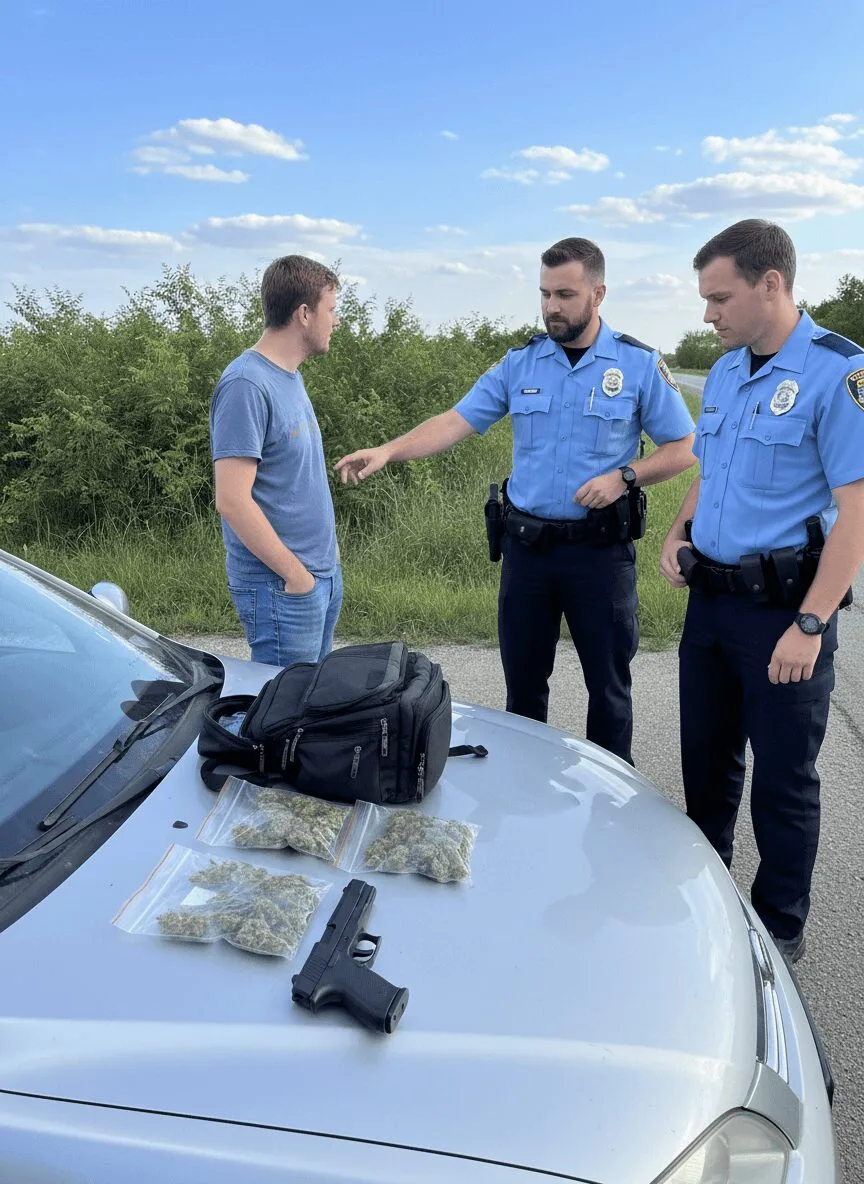
According to WALB News, law enforcement in Crisp County turned a routine traffic stop into a significant firearm and drug recovery, discovering a stolen handgun and multiple suspected cannabis packages. The evidence recovered in this incident amplifies concerns surrounding the illicit cannabis trade, including risks connected to firearm theft. The details of the operation highlight how state and local laws drive law enforcement responses. These regional events echo broader patterns—such as the recent efficient action by deputies during firearm and marijuana seizures amid ongoing policy debate in Florida—where local law enforcement prioritizes the removal of weapons and unregulated substances from circulation. These parallel stories contribute to an ongoing discussion about how such measures impact both crime rates and cannabis policy reform.
Breaking It Down: Expert Analysis and the Nuances of Firearm and Drug Recovery
When discussing firearm and drug recovery, it’s crucial not to conflate cannabis possession with more serious criminal offenses. Industry experts stress that including lawful medical cannabis users with those committing violent crimes does more harm than good. As coverage from Leafly underscores, drug-related stops in prohibition states have far-reaching implications for communities. Morgan Fox, political director at NORML, remarks, ‘Law enforcement agencies need to distinguish between dangerous substances and legal cannabis products to foster public trust and ensure justice.’ Outcomes in places like Crisp Co. illustrate that aggressive policing of nonviolent cannabis incidents may shift resources away from combating more critical threats. Some experts, as noted in The Guardian, point to a correlation between legalization and a downturn in violence linked to illegal markets. Nuanced perspectives on cannabis regulation and enforcement, such as analyses of how legalization shapes consumer behavior and crime trends, are crucial to forming balanced policy recommendations and reducing the collateral social costs often associated with outdated enforcement models.
Looking Ahead: Future of Firearm and Drug Recovery in a Changing Cannabis Scene
Despite the sobering headlines, the long-term view for the cannabis industry remains bullish. Firearm and drug recovery news stories spur ongoing debate but also highlight an urgent need for regulatory clarity and social progress. Across the country, more states are updating their criminal justice frameworks to separate nonviolent cannabis offenses from serious threats. As reported by Marijuana Moment, bipartisan efforts are brewing to reform federal policy, aiming for safer streets and less stigma. With every bust, the pressure mounts to modernize policies, protect patients, and create safer avenues for both consumers and law enforcement. If legislative change keeps pace—with smart regulation and social reinvestment—the next generation might see “firearm and drug recovery” stories replaced by headlines about innovation, community wellness, and legal access. For the cannabis community and broader society, that future can’t come soon enough.
Originally reported by: walb.com
1 Comment
Pingback: Pennsylvania medical marijuana issues: What's really at stake?