


DC cannabis legalization block: Why Congress Keeps Saying No
Here’s the lowdown: The DC cannabis legalization block isn’t just a dry legal hiccup—it’s a real obstacle impacting lives, businesses, and perceptions in the nation’s capital. With cannabis momentum steaming ahead across the U.S., Washington, D.C. remains a giant exception, thanks to an ongoing federal roadblock. As advocacy heats up and the wider market grows, understanding why Congress keeps halting full legalization in DC is essential for anyone in the weed game or simply rooting for fair play. Let’s break down what’s happening, who’s pulling the strings, and what comes next.
The Roots of the DC Cannabis Legalization Block: Regulatory and Social Realities
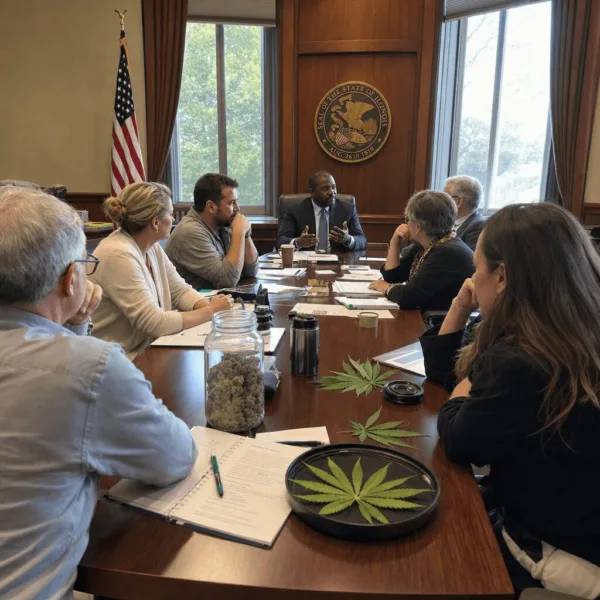
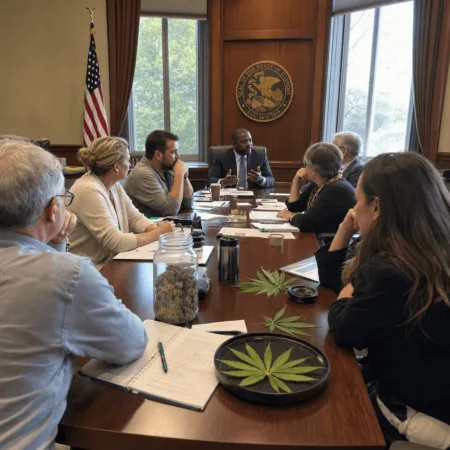
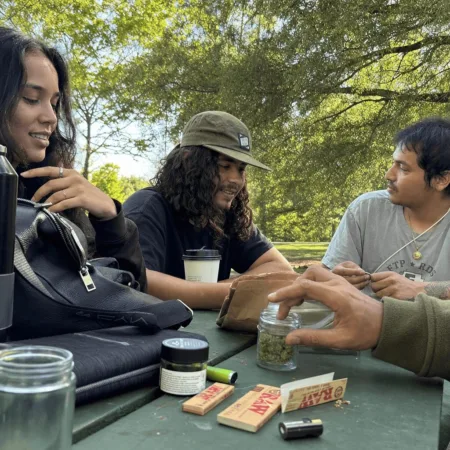
Despite voter-approved measures for legalization in D.C., Congress has leveraged its special oversight of the District to block progress through recurring budget riders, a unique setup compared to state autonomy. According to the U.S. Congress, every year since 2014’s Initiative 71 passed (allowing personal possession and cultivation), Congress has inserted a rider into D.C.’s appropriations bill that prevents the District from using funds to regulate or tax cannabis sales. This blockade leaves DC residents in a strange limbo: cannabis is legal to possess, gift, and use privately, but not to buy or sell in a regulated market. This ongoing DC cannabis legalization block stands in sharp contrast to thriving legal markets in neighboring Maryland and Virginia, making the frustration for advocates and would-be entrepreneurs even more palpable. Socially, the block disproportionately impacts communities historically criminalized for cannabis, a point driven home in many reports, including findings by the ACLU. The challenges D.C. faces in forming a regulated market due to federal interference mirror the broader national issues around marijuana reform, as can be seen in how federal marijuana law changes are shaping the future of cannabis well beyond the District.
Key Developments: Congress Wields the Power, Industry Holds Its Breath
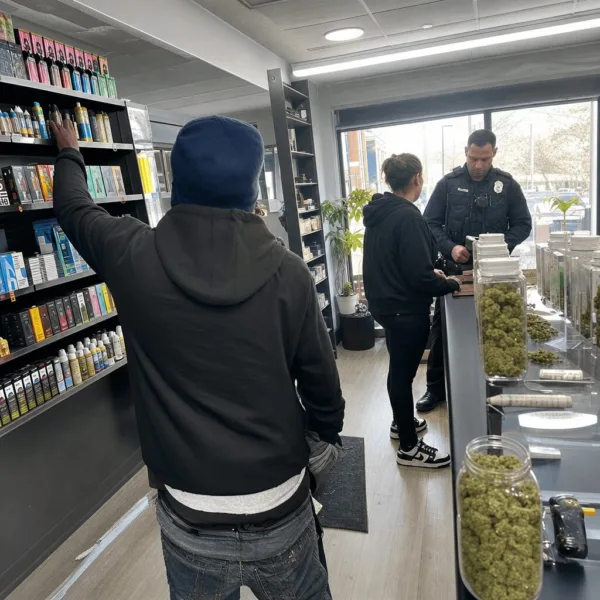
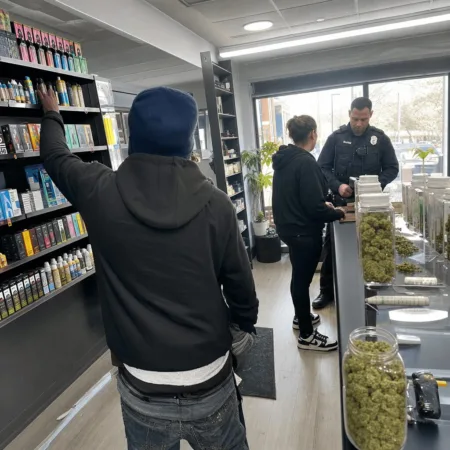
Here’s how it’s gone down: In December 2023, President Trump signed a federal spending bill that again included the rider continuing the DC cannabis legalization block, according to Marijuana Moment. Advocates had hoped for a last-minute omission, but no dice. This rider, once again, stipulates that no federal or local DC funds can be used to “enact any law, rule, or regulation to legalize or otherwise reduce penalties associated with the possession, use, or distribution of any schedule I substance” for recreational purposes. The legal freeze frustrates city council efforts, cannabis entrepreneurs, and medical industry hopefuls. Even as federal rescheduling discussions gain traction, D.C. remains in stasis. The Office of Cannabis Business in DC continues to process medical licenses, while adult-use gray markets boom through ‘gifting’ loopholes. Meanwhile, the broader legal market, estimated by New Frontier Data to be worth $72 billion by 2030, leaves the District watching from the sidelines. This local stalemate echoes recent state challenges where ballot measures and policy debates have faced surprising setbacks, such as the Florida marijuana ballot measure’s defeat fueling grassroots debate.
Expert Analysis: Why the DC Cannabis Legalization Block Hurts More Than Helps
It’s no secret, the ongoing DC cannabis legalization block is out of step with public will and market trends. Cannabis advocate and policy director Queen Adesuyi, quoted by NORML, puts it bluntly: “Year after year, Congress denies D.C. residents the same rights enjoyed by millions elsewhere, fueling an unregulated market and missing out on vital tax revenue.” Her point nails it. The block doesn’t eliminate cannabis use; it only pushes it to unregulated channels, risking public health and wasting potential revenue for infrastructure and community programs. Meanwhile, neighboring states rake in millions from legal sales and tax receipts, and D.C. entrepreneurs remain stuck between prohibition and progress. The disconnect between federal control and District democracy frustrates voters, hampers social equity efforts, and stalls sensible industry growth. Most weed insiders agree, the block does little to address its supposed public health concerns, and instead pours gasoline on demand for reform. If Congress truly wants to protect consumers, regulation—not stonewalling—is the logical step. As industry analyst John Hudak notes in Brookings, “This is a political chess match, not a policy debate, one that leaves DC residents in check.” Similar high-profile developments show how new market entrants remain poised for rapid evolution, as seen in the Aurora Cannabis quarterly results, which have ignited industry buzz over growth trends.
Future Outlook: Pressure Builds, Progress Beckons
Despite the stubborn DC cannabis legalization block, hope is still alive. Advocates aren’t giving up, and neither are DC’s policymakers. Growing national support for legalization, shifting federal cannabis priorities, and persistent calls for home rule intensify every legislative session. As Marijuana Policy Project points out, even if Congress drags its feet, grassroots organizing and cross-state collaborations gain ground each year. If recent talks of rescheduling and national reform efforts pan out, it could mean new life for DC’s legal market dreams. The cannabis industry, already a major economic driver elsewhere, stands ready to welcome D.C. into the fold. One thing’s clear: The tide’s turning, and the era of the DC cannabis legalization block may finally be nearing its end.
Originally reported by: marijuanamoment.net
2 Comments
Pingback: PA cannabis legalization debate heats up in state Senate
Pingback: Oklahoma Medical Marijuana Vote: Will Change Come This Year?