


Can a Cannabis Compound Treat Addiction? Discover New Research
The question of whether a cannabis compound can treat addiction is lighting up both research labs and dinner table debates right now. Recent breakthroughs are making national headlines, with scientists in Colorado intent on understanding how targeted cannabis therapies could tackle dependency—even marijuana addiction itself. At a moment when opioid and substance abuse numbers remain painfully high across the U.S., any hint that a cannabis compound treat addiction could unlock safer, more compassionate help is sparking hope. Let’s break down the science, regulatory climate, and why this headline matters for the cannabis industry and our communities alike.
The Landscape: Regulation, Science, and Social Demand
The legal evolution of cannabis in the United States has been a rapid and wild ride, with over half the country now allowing medical or adult-use cannabis in some form, according to the National Organization for the Reform of Marijuana Laws (NORML). Yet, for years, legitimate research into how a cannabis compound treat addiction has been held back by federal scheduling and restrictive funding. With the DEA and FDA slowly opening doors to clinical research, universities, especially those in trailblazing states like Colorado, are jumping at the chance to run real studies. Meanwhile, social perception is shifting quickly, as major polls show more Americans than ever believing that cannabis has medicinal value and that it’s high time we investigate whether a cannabis compound treat addiction, rather than just lumping all use together. Ongoing debates about state law changes, such as those surrounding Oklahoma’s medical marijuana vote and its impact on dispensaries, reflect this rapidly evolving social landscape.
Colorado Researchers Put Cannabis to the Test for Addiction Treatment
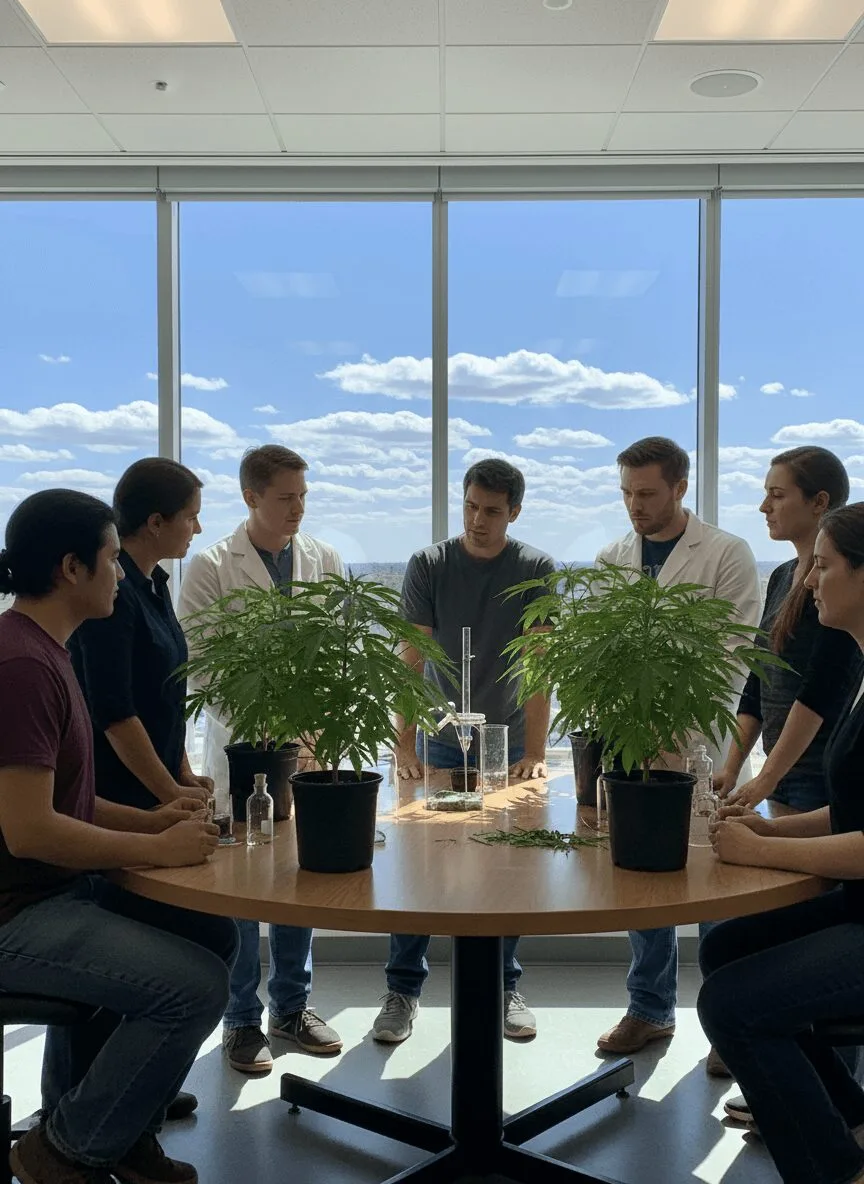
Earlier this year, a research team at a Colorado university launched an ambitious study to see if a specific cannabis-derived compound could help individuals struggling with marijuana dependence. As KJZZ reports, the research isn’t simply about replacing one high with another. Instead, they’re focusing on non-psychoactive cannabinoids, think CBD or rarer synthetics, looking for compounds that modulate craving and withdrawal without intoxication.
This study is significant for several reasons. It’s one of the first times federally funded scientists are testing the hypothesis: can a cannabis compound treat addiction caused by cannabis itself? The study involves clinical trials with rigorous enrollment, careful dosing, and placebo controls, all adhering to strict federal and state compliance. According to the lead researchers, the data could change treatment approaches for substance use disorders, especially as more adults and young people seek help for cannabis dependency. The research activity in Colorado mirrors efforts in places like Wisconsin, where discussions about the impact of legalization and medical access are heating up, as seen in recent movements to transform state cannabis laws.
Expert Analysis: What Makes This Research a Game-Changer?
Veteran industry analysts and physicians are cautiously optimistic. According to Dr. Michael Backes, author and cannabis researcher, in an interview with Leafly: “We’re finally seeing science allowed to play catch-up with what patients and clinicians have reported for years. If the data holds, this could help reduce stigma around both cannabis and addiction treatment.” The research also points to a potentially disruptive trend, in lieu of abstinence or harsh pharmaceuticals, could precision cannabis therapy become a gentler ‘exit ramp’ for people caught in cycles of substance abuse?
Emerging studies globally support the possibility that a cannabis compound treat addiction. Peer-reviewed work continues to build, as seen in the National Institutes of Health’s open access archives, strengthening the call for balanced, scientific policy. The experts agree, rigorous evidence, not hype, must drive next steps. Meanwhile, efforts to ensure socially conscious reinvestment from the cannabis sector are also gaining attention, evidenced by how reinvestment funds are sparking real community change across the country.
Looking Ahead: Cannabis Science and Social Change
The cannabis compound treat addiction question has never been more urgent, or more promising. With bold research happening in Colorado and growing support from respected medical, legal, and advocacy communities, the notion of cannabis-based solutions for dependency could soon be mainstream. Regulatory frameworks will need to adapt, but the signals are strong: investors, clinicians, and everyday folks want options that are humane, effective, and data-driven. Industry observers at MJBizDaily highlight the expanding funding and positive regulatory signals as evidence of momentum. As science pushes boundaries and social attitudes shift, we’re entering an era where the cannabis compound treat addiction conversation is not just possible—it’s necessary, and here to stay.
Originally reported by: kjzz.org