


Minnesota cannabis market bottlenecks: What’s blocking growth?
The Minnesota cannabis industry stands at a critical crossroads. As recreational legalization rolls out, expectations for 2024 are sky-high. Yet, market momentum is threatened by a perfect storm of red tape, supply chain woes, and social uncertainty. Understanding Minnesota cannabis market bottlenecks is crucial for advocates, entrepreneurs, and policy makers—or we risk missing the moment. This article cuts through the haze to spotlight what’s slowing Minnesota’s cannabis growth, why it matters right now, and how the state could fix it.
Regulatory Roots: Background on Minnesota Cannabis Market Bottlenecks
To understand what’s jamming up Minnesota’s cannabis scene, it’s essential to appreciate the unique blend of regulatory caution and local attitudes here. After the state passed its adult-use cannabis law in 2023, anticipation for a thriving market was palpable. Still, Minnesota chose a slow, incremental approach, unlike neighbors such as Michigan who opted for a more rapid rollout, which has had issues of its own regarding dispensary safety and operational readiness, as seen in the challenges faced by Michigan dispensaries around security. Regulatory agencies here were tasked with building a licensing system virtually from scratch, under intense scrutiny from both lawmakers and local governments.
The Minnesota Office of Cannabis Management (OCM) faces pressure from advocacy groups and watchdogs alike—many of whom want clear rules but not paralyzing complexity. According to reporting by MJBizDaily, local governments retain significant control over zoning, hours of operation, and retail density, adding a second layer of market constraint. Add to that a patchwork of overlapping requirements for testing, packaging, and employment, and it’s no surprise Minnesota cannabis market bottlenecks are the talk of the industry. These kinds of market constraints echo lessons learned from the broader push for substance legalization, where regulatory steps from alcohol and tobacco now inform cannabis rollouts nationwide, as discussed in recent reviews on the impact of substance legalization.
Key Developments & Issues Blocking Minnesota’s Cannabis Growth
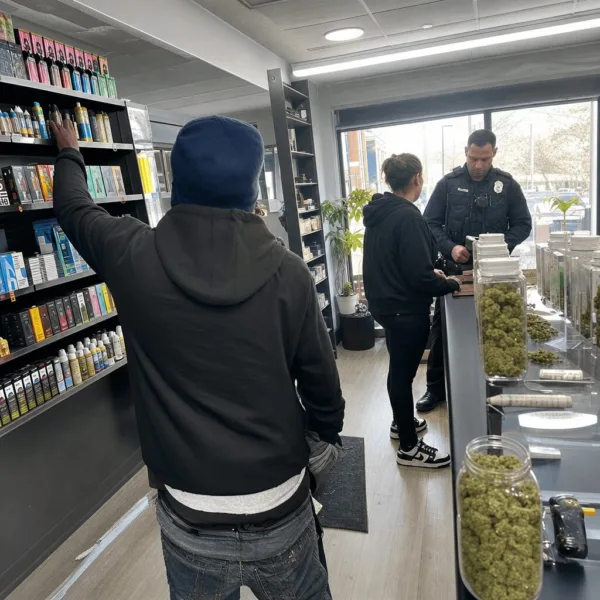
Several main roadblocks are currently putting the brakes on the Minnesota cannabis market. First and foremost: licensing delays. With applications flowing in rapidly since late 2023, the OCM has struggled to process permits for growers, processors, and retailers. According to the Star Tribune, as of early 2024, only a small fraction of the expected licenses had been awarded, leaving many aspiring entrepreneurs in limbo.
Compliance and testing bottlenecks are just as challenging. Stringent safety rules, including required state-licensed testing for potency and contaminants, are creating backlogs at understaffed labs. Distribution is also complicated by local opt-outs, with dozens of municipalities choosing to ban cannabis businesses, forcing growers to hunt for friendly jurisdictions—similar issues have made headlines in the South, as recent debates on South Carolina hemp THC regulation reveal.
On the financial front, the legacy banking issue continues. Many banks remain hesitant to lend or even hold deposits tied to cannabis businesses, due to mismatched federal and state law, per NORML. The struggles persist much like in Oklahoma’s shifting regulatory landscape, where industry participants are closely watching updates on state-level cannabis program changes.
Lastly, social equity provisions—while well-intentioned—have yet to materially increase ownership diversity or curb the influence of established players. This mirrors national trends cited by Ganjapreneur and other cannabis news outlets.
Expert Analysis & Insights: Breaking Down the Bottlenecks
Let’s be real, Minnesota cannabis market bottlenecks are not new in the legal weed world, but the state’s unique style makes things a bit extra. The slow-moving license lottery, cautious municipal approach, and lackluster funding support are enough to make even the most hopeful entrepreneur want to pass the joint to someone else. The landscape here evokes questions about how school policies and enforcement shape cannabis stigma, as evidenced by recent school-based marijuana incidents which have tested local attitudes—just as in the events following a teacher’s marijuana arrest in Athens.
Industry pros note that Minnesota’s overly conservative rollout is stalling the transformative potential of legalization. As Leafly’s 2024 legalization analysis says, “Delays send consumers to illicit sellers and erode trust among would-be investors. Efficiency, backed by clear rules, builds confidence for everyone.”
The bottlenecks risk driving small operators out. Only businesses with deep pockets can weather regulatory dead zones where rent, staff, and investment tick away without revenue. Meanwhile, legacy market suppliers persist, filling gaps in legal supply, which keeps tax revenue and social equity goals out of reach for Minnesota’s legal market. There is also a broader awareness that reporting cannabis-related behaviors—like odor or use—can disproportionately affect families and communities, impacting not just business but everyday lives, in a way highlighted by discussions on reporting marijuana smell and its implications.
On the upside, Minnesota is learning from early mishaps elsewhere. According to industry consultant Angela Dawson, interviewed by Marijuana Moment: “If regulators, lawmakers, and advocates get together at the table now, Minnesota can avoid California’s biggest mistakes. It’s bumpy, but fixable.”
The Road Ahead: Solutions & Hope for Minnesota Cannabis
Despite today’s hurdles, the outlook for Minnesota’s cannabis market remains hopeful. Already, regulators are signaling revised timelines and simplified applications. As seen in states like Illinois, iterative improvements to rules and oversight can rapidly unlock new opportunities once initial wrinkles are ironed out (Illinois Cannabis Regulation and Tax Act).
What matters most now is continued, collaborative problem-solving between industry advocates, state officials, and local leaders. If Minnesota can clear logjams on licensing and distribution, reinforce its social equity goals, and provide regulatory clarity, it will be poised for impressive (and sustainable) growth.
Public support for responsible cannabis use is growing statewide. With smart refinement, Minnesota can turn cumbersome cannabis market bottlenecks into a case study in resilient, community-minded legalization.
Originally reported by: startribune.com

2 Comments
Pingback: Federal Gun Ban Marijuana: NRA & NORML's Bold Stand
Pingback: Wisconsin cannabis legalization: Will full reform finally happen?