illegal marijuana vape investigation: York County vape stores exposed
The illegal marijuana vape investigation gripping York County has left both cannabis insiders and everyday locals buzzing. Street-level enforcement meets nationwide industry confusion, with questions swirling about what exactly defines ‘illegal’ cannabis products. The recent surge in vape shop raids underscores the confusion between hemp-derived cannabinoids and regulated cannabis—a tension shaking up small-town markets and sparking major debate. Here’s a clear-eyed look at what’s happening, why it’s crucial for anyone watching cannabis business trends, and what’s at stake as enforcement heats up.
Understanding the Regulatory & Market Backdrop
To understand why this illegal marijuana vape investigation is making headlines, you have to grasp the tangled cannabis regulatory landscape. As NORML explains, while many states have embraced medical or recreational cannabis, federal law remains inflexible, marijuana is still a Schedule I substance. Hemp derivatives (like Delta-8 THC), marketed as a ‘legal high,’ have created a gray-area market, blurring the line between compliance and criminality. Many regions face challenges distinguishing legal from illegal cannabis vapes as product innovation outpaces local regulations. Local sheriff departments, relying on post-Farm Bill guidelines, are often left to interpret tricky legal language. As Leafly reports, this regulatory whiplash means store owners must be hyper-vigilant with inventory sourcing, labeling, and test results. Social attitudes are shifting, with more Americans supporting regulated access, but current rules can feel outdated for modern consumers. For those interested in broader takeaways on legalization and oversight, examining lessons from both cannabis and other substances can be instructive, as discussed in recent substance legalization reviews.
Key Events and Issues: York County Vape Store Raids
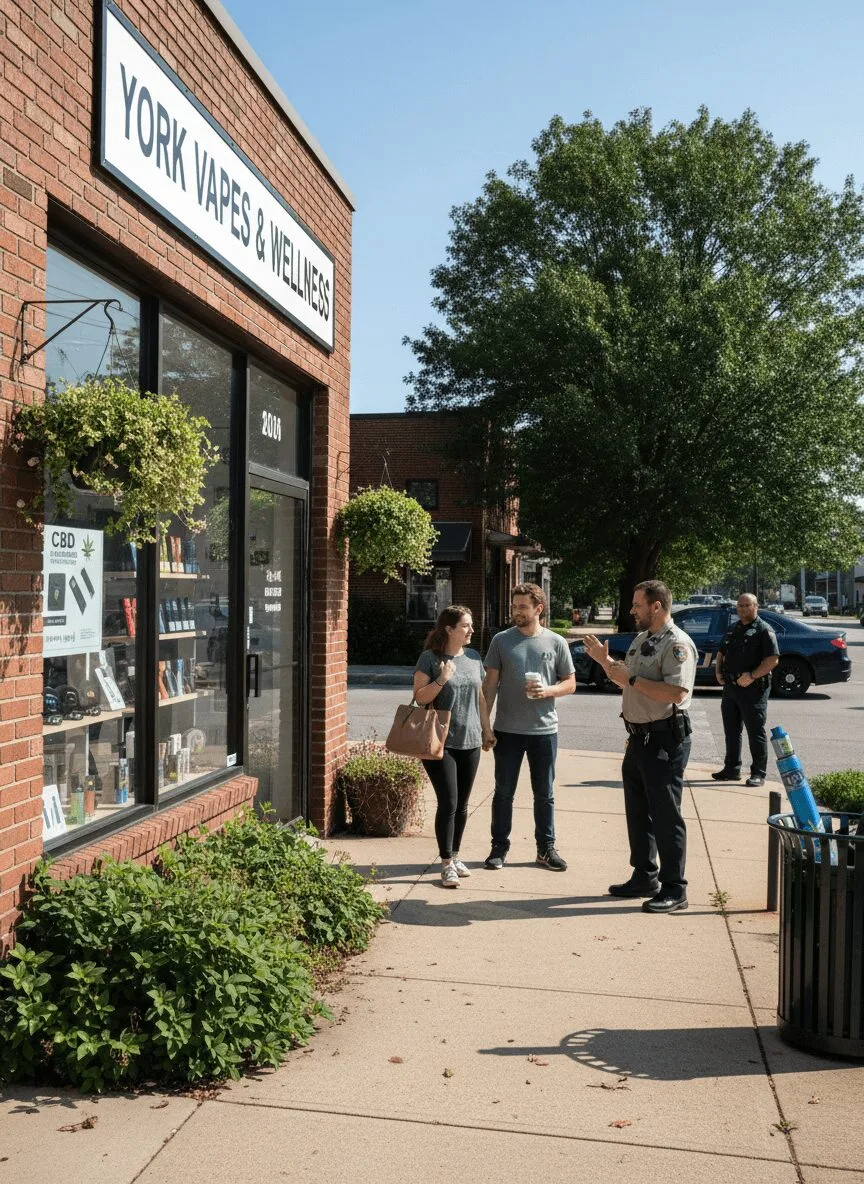
The centerpiece of this illegal marijuana vape investigation is a series of law enforcement raids and searches across multiple York County vape stores, as reported by 13NewsNow. Authorities began targeting these outlets in early June 2024, responding to reports of unlicensed marijuana vaping products allegedly being sold. According to the Sheriff’s Office, plain-clothed investigators seized a number of vape cartridges suspected to contain illegal THC concentrations. Local store owners, such as those at York Vape Emporium and Cloud 9, were subjected to search warrants and property inspections. No formal arrests have been made at the time of reporting, but several stores may face charges pending lab results and legal review. This escalation spotlights ongoing confusion over product legality, particularly with flavored vapes, hemp derivatives, and traditional cannabis oils. Law enforcement cited public health risks, possible youth access, and the need to keep communities safe as key motivations. For a look at how other states manage regulatory complexities and enforcement, the security landscape in Michigan’s dispensaries offers practical context. The investigation is ongoing, with updates promised as forensic analysis continues.
Expert Analysis: The Broader Industry Impact
From my perspective—a cannabis advocate who’s watched the legal tide turn for years—this illegal marijuana vape investigation highlights a growing need for regulatory clarity. When you see police cars parked outside a local vape shop, it’s less a sign of moral panic and more a wake-up call that we’re operating in a transitional period. As MJBizDaily recently noted, “inconsistent enforcement and unclear rules create hazards for small businesses who are otherwise committed to compliance.” A vape shop owner put it bluntly: “One day these products are fine, the next we’re getting raided. We just want clear, predictable guidance.” Industry experts, such as cannabis attorney Griffen Thorne (Canna Law Blog), echo this: “Unless state and local governments provide unambiguous definitions and a pathway for legal retail, enforcement actions will only add to market confusion.” Meanwhile, credible publications like Leafly have tracked the proliferation of semi-legal vapes, warning that patchwork rules hurt both consumers and businesses in small communities. For up-to-date policy shifts that impact the industry, recent reviews of developing cannabis reforms for 2026 offer hope for a clearer regulatory future.
Future Outlook: Toward Smarter, Fairer Regulation
Even with this illegal marijuana vape investigation rattling York County, the broader cannabis industry remains resilient and optimistic. Every crackdown teaches new lessons about evolving rules and community dialogue. Advocacy groups, industry watchdogs, and responsible retailers are all pushing for reforms that recognize the complexity of modern cannabis commerce. With federal and state debates scheduled for upcoming sessions, the smart money is on tighter—but hopefully fairer—regulation that protects public safety without stifling small businesses. As Marijuana Moment reports, bipartisan interest in harmonizing cannabis laws is on the rise. The bottom line: while headlines might focus on store raids, every step forward draws us closer to a legal system that works for everyone—consumers, cops, and entrepreneurs alike.
Originally reported by: 13newsnow.com