Psilocybin Traditional Healers: Ancient Wisdom Revealed
The world is vibing on the classic meets cutting-edge energy—and psilocybin traditional healers are finally getting their shine. As interest in plant medicine mushrooms around the globe, these healers bridge ancient intuition with new research and shifting laws. Their expertise is shaping the future of wellness in ways we haven’t seen before. This moment is essential, not only for cannabis fans but anyone ready to peek behind the curtain at how psilocybin traditional healers can change the game. We’ll explore the roots, latest breakthroughs, controversies, and what all this means for cannabis and broader plant medicine culture.
Heritage and Roots: The Social and Regulatory Landscape of Plant Medicine
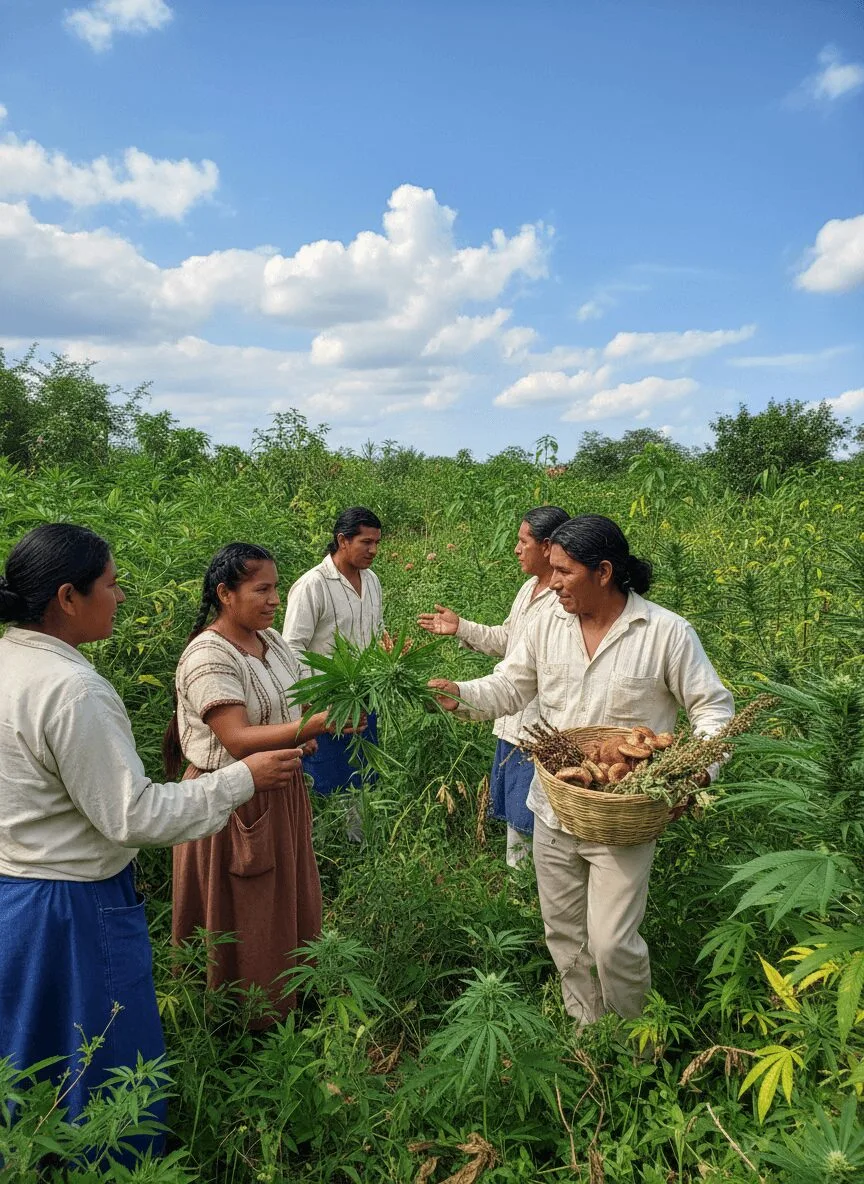
For centuries, psychoactive plants have played a starring role in Indigenous societies, where psilocybin traditional healers guided spiritual journeys and treated ailments. Despite their deep roots, criminalization hit hard during the 20th-century War on Drugs, shaping public perception and law. As MAPS and advocates note, only recently have shifting attitudes and research rekindled curiosity around safe, guided plant medicine use. Key regulatory setups, like Oregon’s supervised psilocybin therapy program (Oregon Health Authority), are pioneering legal access with strict safety controls. In Mexico, the traditional work of psilocybin traditional healers remains culturally revered, despite fuzzy legality and increased interest from international visitors and wellness seekers. Much like the modern cannabis industry, which is experiencing major changes—such as regulatory innovations highlighted in New York cannabis facility developments—the push for culturally respectful reforms is intensifying as the appetite for alternative therapies surges worldwide.
Recent Breakthroughs: Events Changing the Landscape
According to a recent feature by The Colorado Sun, psilocybin traditional healers are moving from shadows to the spotlight. Their wisdom is now resonating beyond local communities, informing both state and global discussions about mushroom decriminalization and therapeutic integration. In 2023, Colorado’s Proposition 122 set a statewide precedent, legalizing supervised psilocybin use and positioning traditional practitioners as key partners in regulatory design. Meanwhile, groups in Mexico have stepped up advocacy, hosting cross-cultural workshops to guide foreigners and locals alike on safe, respectful use. As demand soars, experts warn against exploitation, reminding the public that psilocybin traditional healers aren’t mere tourism attractions, but community custodians upholding sacred knowledge. This increased collaboration and the blending of traditional practice with regulated frameworks offers a parallel to how new findings—such as the impact of psilocybin on depression and the brain—continue to affect mental health perspectives. Industry observers note rising collaborations between Mexican curanderos and legal, modern clinics, creating hybrid retreat models blending tradition and medical oversight. The push for formal recognition and fair compensation for these healers is heating up, as policymakers and entrepreneurs alike grapple with how to honor, not appropriate, their expertise.
Expert Voices: Insights from the Trenches
Plant medicine, like cannabis, deserves respect, roots run deep and lessons run wild. Thought leaders in the space argue that mainstream acceptance of psilocybin traditional healers echoes the cannabis industry’s battle for cultural legitimacy. As DoubleBlind Magazine puts it: “The knowledge of traditional healers is the thread connecting ancient practices to modern therapies. Without their input, our industry risks losing what makes plant medicine powerful.” These experts add vital checks against commercialization, advocating for fair, community-led participation, drawing similarities to the progress of cannabis equity programs in places like California. According to Leafly, legal psilocybin programs increasingly consult with Indigenous and community healers to ensure protocols are both safe and spiritually sound. The ongoing journey towards cannabis and mushroom legitimacy is reflected in modern debates, such as those about mental health risks associated with plant medicine. Both fields demand that we listen to, not just look at, those who’ve carried this wisdom through prohibition and prejudice.
Eyes on the Horizon: Growth, Acceptance, and Respect
Let’s keep it real—psilocybin traditional healers are finally being recognized as invaluable guides. Their methods anchor us in wisdom that’s as old as time and crucial for the future of plant medicine. With legal barriers dropping and public support climbing, experts believe the cannabis industry’s rapid evolution is just the beginning. As highlighted by Forbes, embracing diversity and honoring tradition are keys to sustained progress. Expect more partnerships, progressive policies, and a wave of respect for psilocybin traditional healers, whose insights will shape a holistic, vibrant future for all things green and medicinal.
Originally reported by: coloradosun.com