




Lincoln federal drug sentencing: Major Case, Bold Outcome
The recent Lincoln federal drug sentencing case has everyone in Nebraska’s cannabis community buzzing. Why? Beyond headline shock value, this latest sentencing is a big deal for both local reform and broader federal debates. Federal courts are still throwing down decades-long sentences for cannabis offenses—meanwhile, public support for reform climbs higher every year. In this discussion, we’ll break down how Lincoln’s case fits the national picture, what’s changing, why it matters, and how this drama reflects deep contradictions in drug policy. If you’re following the Lincoln federal drug sentencing news, you’ll want the real context—straight from an industry insider who’s seen all sides.
Legal, Social, and Market Background: The Cannabis Crossroads in Lincoln
Federal cannabis policy remains a patchwork, sometimes supportive, often harsh. In Nebraska, recreational use isn’t legal, and medical marijuana is heavily restricted, according to NORML’s current Nebraska profile. But it’s not just a local issue: the U.S. Department of Justice still classifies cannabis as a Schedule I drug, and the trend nationally is to take some drug cases from state to federal court, especially when large quantities or interstate trafficking are involved. In addition, some neighboring states, like those involved in recent cannabis policy shifts in Kansas, showcase how regional reforms can impact local enforcement priorities. While Nebraska’s grassroots cannabis culture continues to grow (no pun intended!), local authorities are stuck enforcing old rules. That tension ramps up with every high-profile bust, like this headline-making Lincoln federal drug sentencing. The result? Confusion, inconsistency, and a real disconnect between public attitudes and legal risks. Recent reports from the Pew Research Center show nearly 9 in 10 Americans support some form of legalization or decriminalization, fueling debates over the appropriate scope of federal punishments for cannabis.
Key Developments: Lincoln Drug Dealer Gets 30 Years in Federal Prison
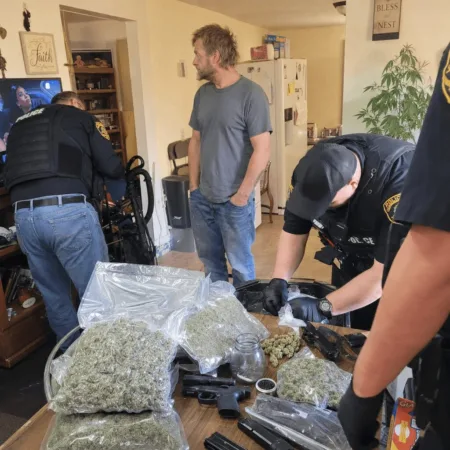
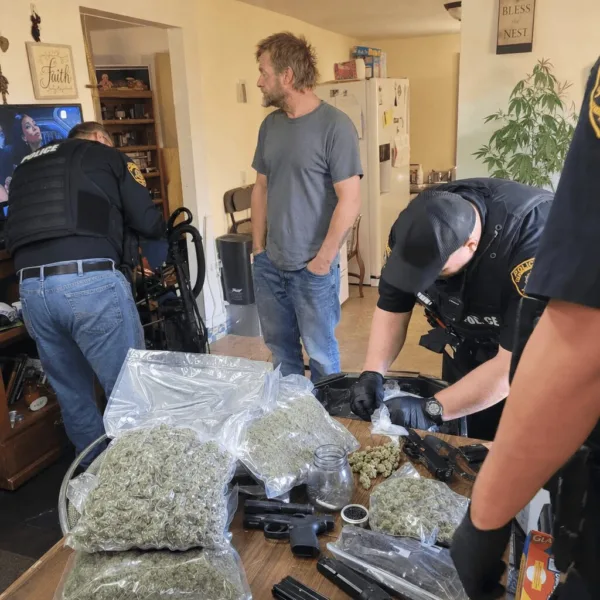
The latest Lincoln federal drug sentencing stems from a January 2026 case that’s caught both national and regional attention. According to 1011 NOW’s full report, a Lincoln man in his thirties was convicted on multiple federal charges, including intent to distribute substantial quantities of cannabis and other controlled substances. Law enforcement found the defendant at a typical Lincoln apartment complex, no cartel drama, just ordinary folks caught up in shifting policies. This pattern mirrors trends revealed in other communities affected by similar enforcement measures, such as ongoing marijuana raids highlighting today’s cannabis culture. The judge’s ruling: a whopping 30-year sentence, a number that many experts feel reflects the outdated rigidity of the Controlled Substances Act rather than the modern risk profile of cannabis. The case was prosecuted by the U.S. Attorney’s Office for the District of Nebraska, with assistance from local law enforcement and the DEA. This is one of the longest sentences issued in recent memory for a cannabis-linked conviction in the region, even as neighboring states, from Colorado to Missouri, move towards broader reform. The media fallout has reignited the Lincoln federal drug sentencing debate, putting a magnifying glass over current policy inconsistencies.
Expert Analysis & Industry Perspective: The War on Drugs, Still Kicking?
From my years consulting for dispensary owners and criminal justice advocates, one thing stands out: sentencing like this is out of step with both public sentiment and market realities. As Marijuana Moment regularly reports, dozens of federal lawmakers now argue that sentences for cannabis, especially nonviolent, first-time offenses, should be dramatically reduced. Industry lawyer Shane Pennington recently stated, “There’s simply no sound legal or public health justification for sentencing someone to decades in prison for cannabis now, especially considering the industry’s legitimacy in half the country.” (Source: Cannabis Law Report). Markets adapt far faster than policy. Multi-state operators, small craft growers, and Nebraska entrepreneurs alike are watching closely—every high-profile Lincoln federal drug sentencing makes reform talks more urgent. These conversations are increasingly relevant in light of federal tax rules on dispensaries, as highlighted by the recent court decision shaking up Section 280E cannabis taxation, which adds to the complexity for business owners. As a cannabis advocate, it’s hard not to see the tragedy of devoting limited law enforcement and justice dollars to prosecuting nonviolent cannabis activity, when resources and lives could be better spent elsewhere. Even the Brookings Institution has highlighted just how quickly state-level reforms are outpacing federal change, sparking a patchwork of risk for people living in or near states like Nebraska.
Where Does Nebraska Go From Here? Future Outlook and Hope for Reform
Despite headlines like the Lincoln federal drug sentencing, the long-term outlook remains positive for reform-minded advocates. Across the Midwest, legislators are proposing bills to decriminalize possession and create legal cannabis frameworks—often citing cases like this as evidence of laws badly out of step. According to Leafly’s Nebraska cannabis law roundup, grassroots organizing continues to gain traction, and state-level ballot measures could bring real change in coming years. While some prosecutors are still inclined toward maximum sentences, long-term trends point to greater social acceptance, regulatory balance, and recognition of cannabis’s economic, medicinal, and community benefits. This Lincoln federal drug sentencing may be a harsh blast from the past, but with reform advocates, industry professionals, and the general public all pushing for smarter solutions, even Nebraska is inching toward a more compassionate future.
Originally reported by: 1011now.com