





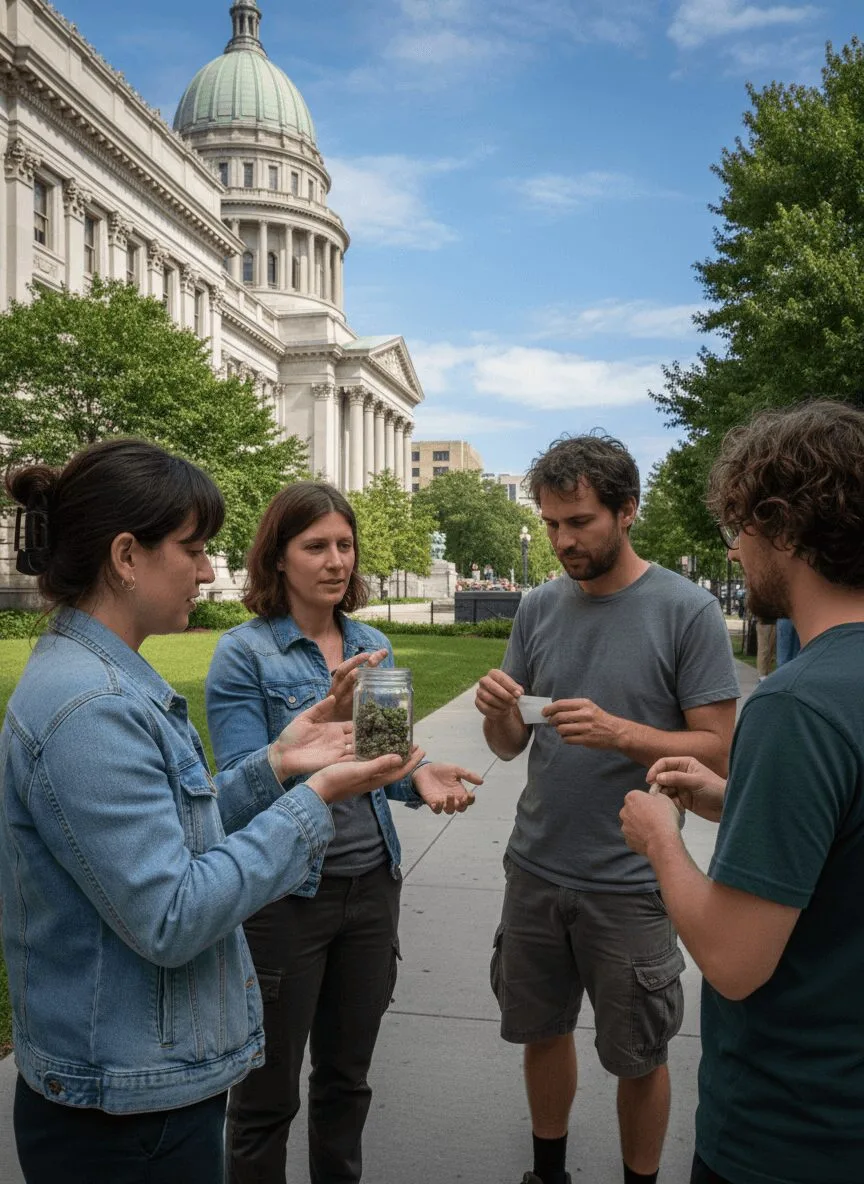
DOJ marijuana rescheduling update: What’s the real reason for silence?
There’s a big question hanging over the cannabis industry right now: Why hasn’t the Department of Justice broken its silence on marijuana rescheduling? If you’re watching the market, the political scene, or part of cannabis culture, you know the DOJ marijuana rescheduling update is the hot topic of the hour. Investors, entrepreneurs, patients, and advocates alike are all searching for answers, hoping for signals that the federal government is ready to treat cannabis with the seriousness—and fairness—it deserves. In this article, we’ll break down what’s really going on, why these bureaucratic delays matter, and what it might mean for the future of legal weed in America.
Understanding the Regulatory Maze: Legal, Social, and Market Forces at Play
The United States’ relationship with cannabis is, frankly, as tangled as a bag of last year’s sticky trim. On the books, cannabis is still classified as a Schedule I substance under the Controlled Substances Act, grouped with heroin, considered to have zero medical value and a high potential for abuse. Yet, over 38 states have legalized medical use, 24 states have gone fully recreational, and public opinion polls (like those from Gallup) show broad support for legalization. Still, all this progress hasn’t led to federal consensus. The DOJ marijuana rescheduling update comes at a time when markets are booming, with industry sales reaching $33 billion in 2022 alone. Simultaneously, the DEA, FDA, and DOJ remain the critical gatekeepers. This friction is mirrored in many industries: for instance, in Hawaii, discussions about the unique impacts of marijuana tourism on local economies and travelers echo regulatory uncertainties nationwide. The interplay between federal law, market momentum, and state-level reforms creates legal limbo, resulting in challenges for businesses, patients, and communities. That’s why the DOJ’s next move is significant.
The Silence: Recent Developments, Delays, and the State of Play
Let’s lay out the facts. Following the Biden Administration’s public interest in reviewing cannabis scheduling. After multiple executive proclamations, hopes were high for rapid progress. However, according to Marijuana Moment, it has now been over a month since the Trump-era executive order, and the DOJ has not provided a concrete DOJ marijuana rescheduling update. Reporters and advocates requesting information have received only a stock “no comment,” fueling speculation and uncertainty. Legal analysts point to the critical role of the DEA, which, despite hints and a proposal from Health and Human Services (HHS) to potentially move cannabis to Schedule III, has released no official statement or timeline for public hearings. With delays mounting, some see parallels in state-level progress as new cannabis markets expand and voters embrace retail legalization—even while federal agencies stay silent. Meanwhile, federal lawmakers and advocacy groups continue to exert pressure, but the DOJ’s refusal to make any updates creates considerable “radio silence” across the industry. All sides now look to Congress, the DEA, and the DOJ for direction, but the lack of public updates leaves businesses and policy advocates in limbo, waiting to see if words will translate into real-world policy change.
Industry Reactions and Expert Perspectives: What Does It All Mean?
So, is all this silence a sign of trouble, or just business as usual in D.C.? The DOJ marijuana rescheduling update drought has left many industry insiders scratching their heads. According to Forbes, legal experts suggest the lack of comment shows the extreme caution federal agents are exercising, aware any move will have massive ripple effects. As Morgan Fox, political director at NORML, recently said, “Every day spent in silence is another missed opportunity for justice and economic reform. The longer it takes, the more confusion reigns in the marketplace.” The stakes are high for both social justice reform—addressing those harmed by past cannabis enforcement—and for businesses seeking basic banking and tax relief. While frustration persists, some industry leaders look to carefully considered policy as a hopeful sign. In this climate, innovations around using medical marijuana for pain management illustrate how impactful changes could be, should federal law catch up. As NORML and other advocacy organizations continually highlight, ongoing pressure is needed to make federal law reflect public opinion and the realities of modern cannabis commerce.
Looking Ahead: Hope, Patience, and the Future of Legal Weed
Let’s keep it real: this deadlock can’t last forever. Whether it’s a full reschedule, deschedule, or a cautious compromise, the DOJ marijuana rescheduling update remains a critical pulse-check for the next era of cannabis policy. The silence might signal behind-the-scenes strategizing, but it’s also stirring more grassroots activism and louder calls for clarity. As social acceptance continues to skyrocket (over 68% of Americans now support legal cannabis according to the latest Gallup poll), policymakers will be pressed to act in step with the public and the booming industry. The cannabis community—advocates, patients, and business owners alike—remains hopeful. Whatever comes next, this moment will stand as another chapter in the ever-evolving relationship between American society and the plant. Buckle up; the next major DOJ marijuana rescheduling update could reshape everything from business rules to personal freedom. Stay tuned, stay strong, and keep advocating for a smarter future for cannabis in America.
Originally reported by: marijuanamoment.net


1 Comment
Pingback: How Cannabis Legalization Opioid Use Drops: Surprising Insights