Can Gun Possession and Medical Marijuana Put You at Risk?
With medical marijuana legalization now spanning much of the U.S., the intersection with gun rights has become a daily hot topic—especially as cannabis culture flourishes across all walks of life. Whether you’re a patient, enthusiast, or just intrigued by evolving laws, understanding how gun possession and medical marijuana collide is crucial. Below, dig into the shifting legal landscape, get the latest on law enforcement tactics, discover how courts interpret rights, and see why this issue could impact any cannabis-friendly American with a firearm. It’s time to know your rights and risks in plain language.
The Legal and Cultural Landscape: Gun Possession and Medical Marijuana Collide
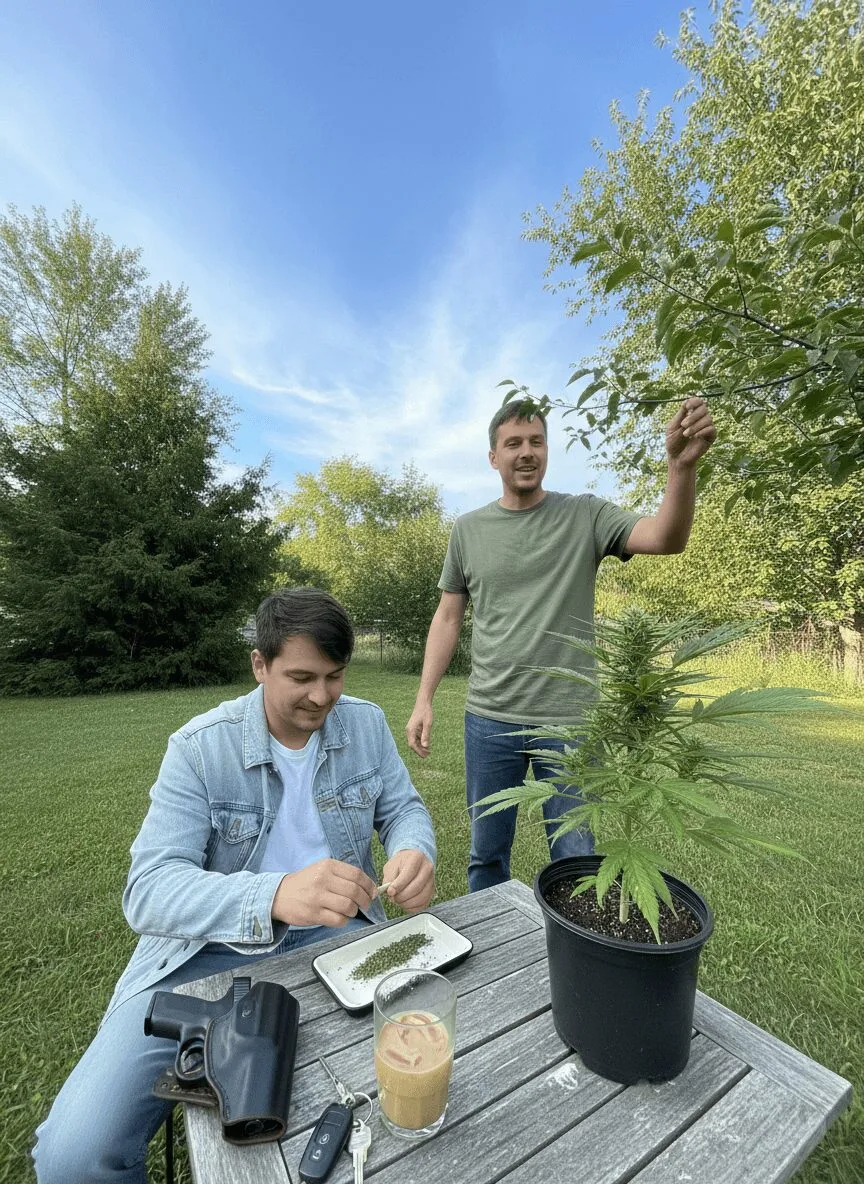
Let’s get blunt, the relationship between gun possession and medical marijuana is complicated, and everyone’s talking about it. As more states legalize cannabis medicinally and recreationally, millions now qualify as patients. However, the federal Bureau of Alcohol, Tobacco, Firearms, and Explosives (ATF) still considers cannabis a Schedule I controlled substance. That means, technically, any “user of or addicted to” marijuana can’t lawfully possess firearms according to federal law, even in weed-friendly states. According to NORML and noted legal experts, this conflict puts well-intentioned, law-abiding citizens in a nearly impossible situation, forced to choose between state-legal health decisions and their constitutional Second Amendment rights. The issue’s complexity only grows as more Americans adopt both medical cannabis and personal firearm ownership as lifestyle essentials, which is also reflected in the way everyday users are directly impacted by current laws that treat medical marijuana and gun possession as mutually exclusive rights.
Key Developments and Emerging Issues
The core of the current dilemma pivots on real legal clashes. One major flashpoint came in 2016, when the Ninth Circuit Court of Appeals ruled in Wilson v. Lynch that medical marijuana patients could be restricted from buying firearms, citing federal law over state provisions. The ATF’s guidance remains explicit: when filling out the federal background check (Form 4473), you must answer whether you’re an unlawful user of marijuana—even if your state says you’re legit. In 2023, Florida’s Agriculture Commissioner, Nikki Fried, challenged this restriction in federal court, arguing it strips patients of their rights. However, as recently as 2023, federal judges have largely upheld these bans, creating confusion and risk for gun possession and medical marijuana patients nationwide. According to the Marijuana Moment, several states have recently pushed local enforcement to deprioritize cannabis and gun possession cases, though none have succeeded in overturning federal statutes. The patchwork of regulation leaves everyone—users, retailers, even law enforcement—in a legal limbo, with harsh penalties potentially awaiting any misstep, which has made local policy shifts important, such as the notable debate over zoning for medical marijuana in smaller communities like Skowhegan.
Expert Analysis, Pro-Cannabis Perspectives, and Real World Impact
Let’s call it what it is, a weird, outdated law putting patients in legal crosshairs. Legal and industry analysts widely recognize this disconnect. As Tom Angell, veteran cannabis journalist and founder of Marijuana Moment, puts it: It’s absurd that medical marijuana patients are the only ones forced to pick between feeling better and protecting themselves. The law desperately needs clarity.
(Marijuana Moment).
Industry insiders point to how gun possession and medical marijuana laws unfairly target those acting responsibly, after all, prescription opioids (far riskier for users and public safety) don’t carry this ban. Additionally, while recent prosecutors have deprioritized low-level cannabis crimes, the chilling effect remains. According to the New York Times, gun shops increasingly warn buyers about cannabis-related restrictions, sometimes denying sales or flagging customers for background checks. This isn’t about stoners gaming the system, it’s about patients, veterans, and professionals seeking both wellness and self-defense. The contradiction exposes both legal hypocrisy and urgent need for federal reform, much like the way a recent settlement in Great Barrington signals bigger shifts in cannabis policy and how laws intersect with users’ real lives.
The Road Ahead: Optimism and Action for Cannabis and Personal Freedom
Despite these gnarly legal potholes, tides are slowly shifting. States continue to expand medical marijuana access and local governments push for lower cannabis enforcement priorities. Congress has entertained multiple bills—like the MORE Act—which, if passed, could finally address the conflict between gun possession and medical marijuana at the federal level. According to Leafly, public support for comprehensive cannabis reform is at an all-time high, and major advocacy groups see the intersection of gun and cannabis rights as a pivotal civil liberties fight. Whatever your position, know that legal tides tend to favor greater rights and sanity over time. As the stigma crumbles, and lawmakers listen to both patients and experts, hope is high (pun intended) for a future where nobody has to choose between their health and fundamental freedoms. Stay informed—your rights are evolving fast.
Originally reported by: aclu.org